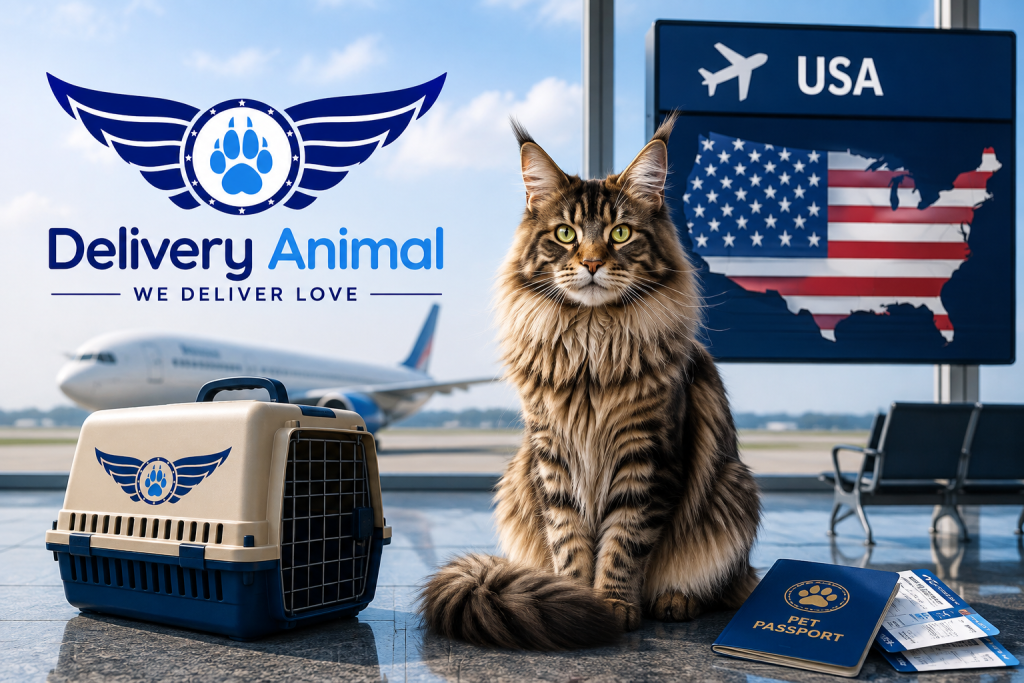

Why Pet Transportation to Europe Requires Careful Planning
Relocating to Europe with a beloved pet has become increasingly common. Families move for work, education, business opportunities, or permanent residence, and many choose to bring their dogs and cats along. However, Pet Transportation to Europe involves much more than booking a flight. It requires careful preparation, veterinary compliance, proper documentation, and selecting the safest travel route.
Although European Union countries follow common regulations for importing companion animals, each destination may have additional procedures depending on the airport, airline, or local authorities. Proper planning minimizes travel stress and helps ensure a smooth relocation.
Delivery Animal provides complete international pet relocation services, helping owners safely transport their pets from departure to arrival anywhere in Europe.
Pet Transportation to Europe: Required Documents
Preparing the correct documentation is one of the most important stages of international relocation.
Most European destinations require:
- International pet passport;
- ISO 11784/11785 compliant microchip;
- Valid rabies vaccination;
- International veterinary health certificate;
- Owner identification documents;
- IATA-approved travel crate.
Depending on the destination country, additional veterinary documentation may also be required.
Veterinary Requirements for Pet Transportation to Europe
Before departure, Delivery Animal specialists carefully verify all documentation, including:
- vaccination records;
- microchip information;
- veterinary certificates;
- export documentation;
- airline-specific requirements.
Accurate paperwork helps prevent delays during customs and veterinary inspections.
Pet Transportation to Europe: European Union Import Rules
European Union member states share common rules for importing companion animals.
Authorities typically verify:
- ISO-compliant microchip;
- valid rabies vaccination;
- veterinary passport;
- health certificate;
- overall health condition of the pet.
Meeting these requirements allows pets to enter Europe safely and legally.
Pet Transportation to Europe: Germany
Germany remains one of the most popular destinations for families relocating with pets.
Delivery Animal regularly transports pets to:
- Berlin;
- Munich;
- Frankfurt;
- Hamburg;
- Cologne;
- Stuttgart.
Every transportation route is customized according to airline schedules and the pet’s individual needs.
Pet Transportation to Europe: France
France welcomes thousands of international pet relocations every year.
Our transportation services cover:
- Paris;
- Lyon;
- Marseille;
- Nice;
- Toulouse;
- Bordeaux.
Our specialists carefully select the safest and most comfortable travel options.
Pet Transportation to Europe: Italy
Italy is another leading destination for international pet relocation.
We organize transportation to:
- Milan;
- Rome;
- Bologna;
- Naples;
- Turin;
- Venice.
Each transportation plan is individually designed to reduce travel time and maximize comfort.
Pet Transportation to Europe: Spain
Spain continues to attract families relocating with their pets.
Delivery Animal provides transportation to:
- Madrid;
- Barcelona;
- Valencia;
- Málaga;
- Alicante;
- Seville.
Every relocation is carefully coordinated according to airline regulations and veterinary requirements.
Pet Transportation to Europe: Poland
Poland is often the first point of entry into the European Union.
We regularly transport pets to:
- Warsaw;
- Kraków;
- Wrocław;
- Poznań;
- Gdańsk;
- Lublin.
Poland also serves as a convenient transit country for further travel across Europe.
Pet Transportation to Europe: The Netherlands
The Netherlands offers excellent infrastructure for companion animals and follows strict veterinary standards.
Common destinations include:
- Amsterdam;
- Rotterdam;
- The Hague;
- Eindhoven;
- Utrecht.
Delivery Animal ensures that every transportation plan complies with current EU import regulations.
Pet Transportation to Europe: Choosing the Safest Route
Selecting the right route is essential for your pet’s comfort and safety.
Our specialists consider:
- total travel duration;
- number of connections;
- airline pet policies;
- seasonal weather conditions;
- transit country regulations;
- breed, age, and size of the pet.
A personalized transportation plan helps minimize stress during long-distance travel.
Pet Transportation to Europe: Preparing Your Pet for International Travel
Several weeks before departure, owners should:
- help the pet become familiar with its travel crate;
- schedule a veterinary examination;
- verify vaccination dates;
- maintain a regular feeding routine;
- place a favorite blanket or toy inside the crate.
These simple steps make long international journeys much more comfortable.
IATA Travel Crates for Pet Transportation to Europe
Delivery Animal recommends using crates that comply with IATA Live Animals Regulations (LAR).
A suitable travel crate should:
- provide excellent ventilation;
- allow the pet to stand, turn around, and lie comfortably;
- remain securely closed during transportation;
- meet airline size requirements.
Choosing the proper crate is one of the key factors for safe international transportation.
Why Pet Owners Choose Delivery Animal for Pet Transportation to Europe
Our services include:
- Personalized transportation planning;
- Veterinary document preparation;
- Airline coordination;
- Import regulation consultation;
- IATA-compliant travel crate recommendations;
- Complete relocation support from departure to arrival.
Each transportation project is individually managed to ensure maximum comfort and safety.
Expert Recommendations for Pet Transportation to Europe
Successful Pet Transportation to Europe begins several months before departure. Delivery Animal recommends starting preparations at least two to three months in advance. This provides sufficient time to complete vaccinations, prepare veterinary certificates, verify documentation, and choose the safest transportation route.
Every relocation is organized according to IATA Live Animals Regulations (LAR) and the latest European Union pet import requirements. Our professional planning helps ensure a smooth journey while prioritizing your pet’s health, comfort, and safety throughout the relocation process.
Frequently Asked Questions About Pet Transportation to Europe
How long does Pet Transportation to Europe take?
Travel time depends on the destination country, airline schedules, customs procedures, and connecting flights.
What documents are required for Pet Transportation to Europe?
Most relocations require an international pet passport, ISO-compliant microchip, valid rabies vaccination, veterinary health certificate, and owner identification documents.
Can large dogs travel internationally?
Yes. Delivery Animal safely transports dogs of all breeds using IATA-approved travel crates that comply with international airline regulations.
Can cats be transported to Europe?
Absolutely. We regularly organize safe international transportation for cats of all breeds while complying with current European veterinary import requirements.