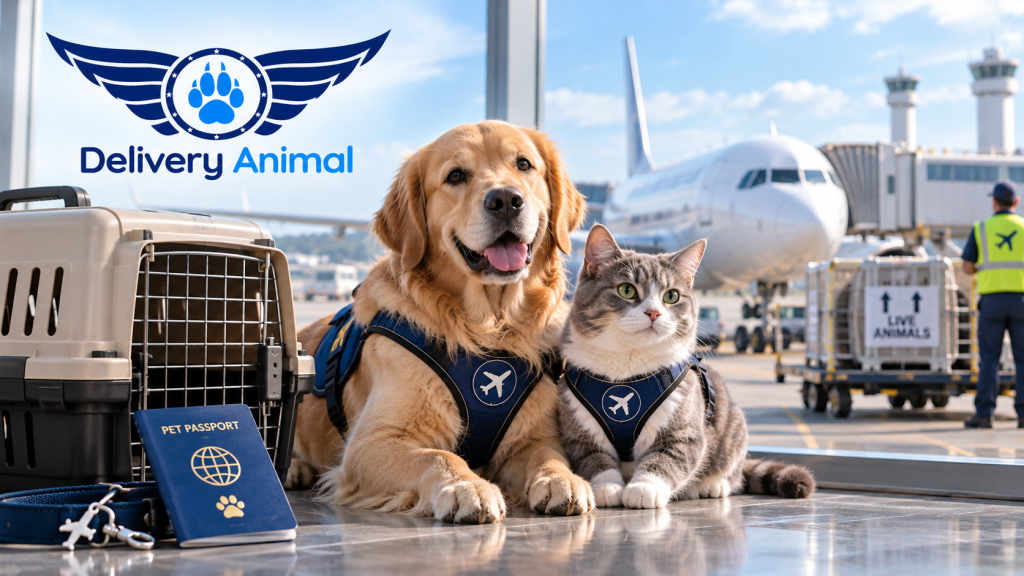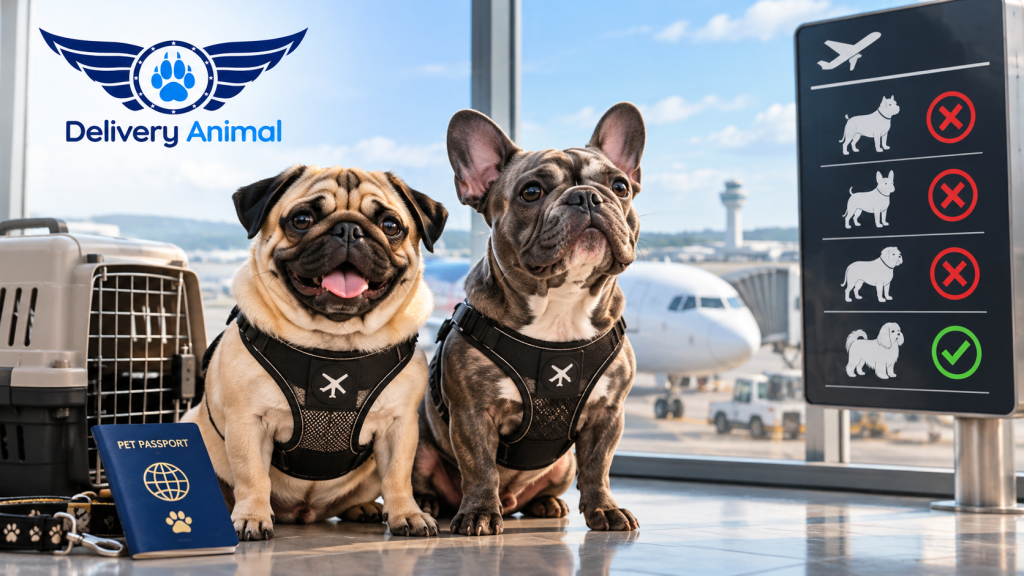

Moving abroad with a dog, cat, or another companion animal involves much more than booking a flight. Owners may need to verify import rules, prepare veterinary documents, coordinate with an airline, and select a transportation method suitable for their pet.
An international pet transport company can help coordinate these steps and make the process easier to manage. Depending on the agreed service, a company may help review route requirements, plan the documentation process, coordinate transportation arrangements, and explain the steps that need to be completed before departure.
In 2026, requirements still depend on the destination country, country of origin, animal species, and transportation method. There is no single set of documents that works for every country. A reliable provider should therefore explain the requirements for your specific route rather than simply offer a delivery service.
This guide explains how to choose an international pet transport company, which questions to ask before signing an agreement, and how to identify potential warning signs before paying for a service.
What Services Does an International Pet Transport Company Provide?
The exact service package varies by provider, route, and animal. Before booking, ask which tasks the company will manage and which responsibilities remain with you.
1. Route Planning
An international pet journey may involve a direct flight, connecting flights, ground transportation, or additional airport procedures. Planning must take account of transit-country requirements, airline acceptance policies, and the availability of pet transportation on specific flights.
A reliable international pet transport company should explain why a particular route is being considered, whether alternatives are available, and which arrangements must be confirmed before booking.
2. Checking Destination-Country Requirements
Depending on the destination, a pet may need a microchip, valid rabies vaccination, veterinary health certificate, rabies antibody test, import permit, or additional treatments.
Requirements can change, so they should be checked against official sources when travel is being arranged. If the pet passes through multiple countries, the applicable transit requirements must also be considered.
3. Documentation Planning and Review
Errors in microchip numbers, vaccination dates, certificate validity, or owner information can lead to delays or problems during transportation.
A transport company may help prepare a checklist, review the completeness of information, and coordinate the process with the veterinarian and relevant authorities. However, official veterinary certificates and permits must be issued or endorsed by the appropriate professionals and authorities under the applicable rules.
4. Airline Coordination
Airlines can have different restrictions relating to breed, weight, carrier dimensions, age, and transportation method. Some pets may travel in the cabin, while others may need to travel in the aircraft hold or as air cargo, where permitted.
An international pet transport company should explain which options may be available for the intended route and help confirm acceptance with the carrier before departure.
5. Coordinating Additional Transportation Steps
Depending on the service, the process may include transportation to the airport, cargo arrangements, coordination of animal acceptance, ground transport, or delivery to the recipient. Ask which stages are included in the quoted price and which are charged separately.
How to Choose an International Pet Transport Company in 2026
Do not choose a provider based only on an attractive website, the lowest price, or a large number of pet photographs. Consider its relevant experience, transparency, and willingness to discuss the details of your journey.
Check Experience With Your Route
Ask whether the company has experience with your destination, animal species, and proposed transportation method. Moving a cat in the cabin and shipping a large dog as air cargo involve different procedures and requirements.
It is also useful to ask which stages the company coordinates directly, which carriers it works with, and who will be responsible for communication throughout the journey.
Request an Itemized Quote
International pet transportation costs may include:
- Air freight or ground transportation.
- An airline-approved carrier or transport crate.
- Veterinary examinations, tests, and treatments.
- Health certificates and permits.
- Airport handling and cargo processing.
- Ground transfers.
- Additional services required for the route.
Ask the provider to separate essential costs from optional services. Clarify which circumstances could change the final price, such as a route change, additional destination requirements, or the need to correct documentation.
Clarify Who Handles the Documents
Find out who checks the import rules, who coordinates with the veterinarian, and who obtains any required approvals. You should also know which documents you must provide yourself.
Be cautious if a company promises guaranteed entry into any country without checking the requirements or suggests bypassing mandatory procedures. Neither an intermediary nor a carrier can cancel the destination country’s regulations.
Review the Agreement and Responsibilities
Before paying, request a written description of the service. The agreement or its accompanying documents should ideally specify the route, scope of work, price, payment terms, potential additional costs, cancellation conditions, and procedures for handling delays.
Ask who communicates with the airline, who updates you about changes, and what happens if a flight is rescheduled or the carrier refuses to accept the animal.
Evaluate Communication Quality
A professional provider should be able to explain complicated requirements in clear language, answer questions, and identify possible restrictions before payment. If a company promises an outcome without explaining the process or providing written details, ask for clarification before proceeding.
What Documents Are Required for International Pet Transportation?
There is no universal document checklist for every destination. Requirements depend on the animal species, route, country of origin, transit arrangements, and purpose of travel.
Depending on the journey, your pet may need:
- A microchip and identification records.
- A veterinary passport and vaccination records.
- Proof of rabies vaccination.
- An international veterinary health certificate.
- A rabies antibody titration test.
- An import permit.
- Evidence of required parasite treatments.
- Additional documentation for certain animal species.
The sequence of procedures can matter as much as the documents themselves. For example, identification and vaccination must meet the applicable timing rules, and laboratory tests may need to be completed within specific time frames.
When choosing an international pet transport company, ask for a route-specific checklist and an estimate of how long the preparation process may take.
How Much Does International Pet Transportation Cost?
The price depends on the route and the individual pet. A fixed quote provided without knowing the destination, animal dimensions, and transportation method may not reflect the actual costs.
The total price may depend on several factors.
Route and distance. Direct flights and routes with connections can have different costs and availability.
Animal size and weight. Airlines have specific carrier dimensions and animal acceptance requirements.
Transportation method. Cabin travel, hold transportation, air cargo, and ground transport follow different procedures and pricing structures.
Veterinary requirements. Vaccinations, laboratory tests, certificates, and permits may involve additional expenses.
Additional services. Transfers, temporary accommodation, cargo processing, and delivery to the recipient may be charged separately.
To compare providers fairly, request quotes based on the same route and pet details. Compare not only the final price but also the services included.
What Warning Signs Should You Look For?
When evaluating a provider, be cautious if:
- The company promises entry without mandatory documents.
- It does not explain how the pet will be transported.
- It refuses to provide a written quote.
- It does not ask about the animal’s species, breed, age, weight, or route.
- It guarantees airline acceptance without confirmation from the carrier.
- It does not disclose additional charges.
- It suggests ignoring veterinary or border requirements.
A website and customer reviews alone do not guarantee service quality. Verify the actual terms, ask specific questions, and keep written records of your agreement.
Why Do Animal Transport Standards Matter?
International air transportation of live animals requires attention to containers, handling procedures, and transportation arrangements. The IATA Live Animals Regulations provide industry standards for the commercial air transportation of live animals. Government regulations and individual airline requirements also apply.
An international pet transport company should therefore take account of the rules that apply to the carrier and route rather than relying only on general advice.
No standard replaces an assessment of the individual circumstances, including the pet’s age, health, breed, species, and destination.
How Delivery Animal Helps With International Pet Transportation
Delivery Animal helps pet owners plan international transportation while taking route requirements, documentation, and available transportation options into account.
Depending on the destination and agreed service scope, the process may include:
- Preliminary route assessment.
- Review of entry and transit requirements.
- Planning the documentation process.
- Coordination of possible transportation methods.
- Coordination of transportation stages.
- Guidance on important requirements before departure.
Before contacting us, prepare your pet’s species, breed, age, weight, departure country, destination country, and intended travel date. This information helps identify which requirements should be reviewed first.
Looking for an international pet transport company? Contact Delivery Animal to discuss your route and learn which documents, timelines, and transportation options should be considered.
Frequently Asked Questions
How do I choose an international pet transport company?
Check the provider’s experience with your route, pricing transparency, documentation process, contractual terms, and communication quality. Clarify which services are included and who coordinates each stage of transportation.
How much does it cost to transport a dog or cat internationally?
The cost depends on the origin and destination, animal size, transportation method, veterinary requirements, and additional services. An accurate quote requires the route details and information about the pet.
Can a transport company guarantee that my pet will enter another country?
A company can help coordinate the route and documentation, but it should not promise to bypass mandatory rules or guarantee unconditional admission at the border. Entry decisions are made under the destination country’s applicable requirements.
When should I start preparing for international pet transportation?
Start as early as possible. Depending on the destination, the process may involve vaccinations, laboratory tests, waiting periods, certificates, and permits. Preparation can take several weeks or several months.
Can my pet travel without me?
This depends on the destination, airline, transportation method, and shipping arrangements. Some routes allow pets to travel as air cargo, but the requirements must be checked for each country and carrier.
What should I ask a transport company before paying?
Ask for the proposed route, document checklist, preparation timeline, itemized quote, possible additional costs, cancellation terms, and procedures for handling delays or flight changes.
Conclusion
Choosing an international pet transport company is an important part of planning a move with your pet. A well-organized process begins with checking official requirements, understanding the quote, confirming the transportation method, and documenting each party’s responsibilities.
Do not choose a provider based on price alone. Consider animal welfare, relevant route experience, communication quality, and transparency.
Delivery Animal can help you discuss your pet’s international journey and identify the requirements that need to be considered before departure.
Official Sources
- IATA — Live Animals Regulations
- IATA — Traveling with Pets
- IATA — Traveler’s Pet Corner
- USDA APHIS — Pet Travel Process Overview
- USDA APHIS — Frequently Asked Questions About Traveling With Your Pet