
Contents
- Why breed affects pet transportation
- Brachycephalic dog breeds
- Brachycephalic cat breeds
- Large and giant breeds
- Breeds with thick coats
- Active and anxious breeds
- Breeds with high stress sensitivity
- Senior animals of certain breeds
- Breeds with airline restrictions
- Breeds sensitive to temperature
- Breed-specific medical conditions
- How to prepare complex breeds for flights
- Questions and answers
- Conclusion
Before an international move, owners usually focus on documents, timelines, and routes. However, one of the most underestimated factors is the pet’s breed. It often determines the complexity of preparation, airline requirements, and even the best season for travel.
Pet transportation is not only logistics and paperwork. It involves physiology, behavior, and stress tolerance. Even with identical documents, two animals may experience a flight very differently. Understanding breed characteristics helps reduce risks and make travel safer.
Why breed affects pet transportation
Transportation complexity depends on:
- respiratory system structure
- temperature sensitivity
- size and weight
- behavioral traits
- airline restrictions
Sometimes breed determines the flight date or airline choice.
Brachycephalic dog breeds
One of the most complex categories:
- pugs
- French and English bulldogs
- Shih Tzus
- Pekingese
- boxers
Shortened airways make them sensitive to stress and temperature changes. Many airlines impose restrictions or special requirements.
Brachycephalic cat breeds
Flat-faced cats also belong to a higher-risk group:
- Persian cats
- Exotic Shorthairs
- Himalayan cats
They are more sensitive to stress and temperature changes.
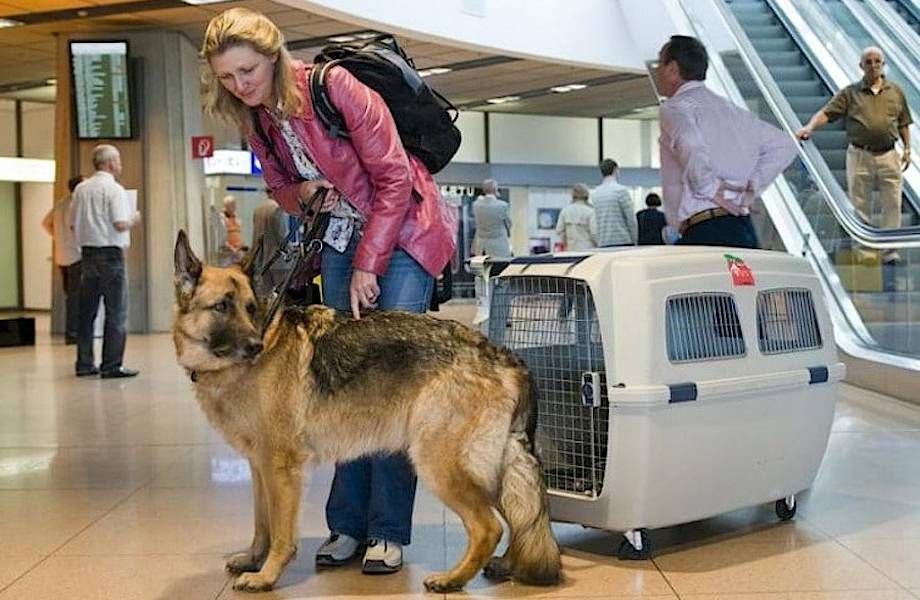
Large and giant breeds
Large dogs create logistical challenges:
- oversized carriers
- limited space on flights
- complex booking and check-in
Planning often starts months in advance.
Breeds with thick coats
Thick coats increase heat sensitivity:
- summer flight restrictions
- overheating risk
- seasonal planning
Flights may be postponed to cooler seasons.
Active and anxious breeds
Some breeds struggle with long waiting and environmental changes:
- Border Collies
- Jack Russell Terriers
- Australian Shepherds
- Huskies
Carrier training is essential.
Breeds with high stress sensitivity
Gradual carrier and travel adaptation is required.
Senior animals of certain breeds
Age affects flight tolerance and requires veterinary consultation.
Breeds with airline restrictions
Some airlines restrict specific breeds, affecting route and carrier choice.
Breeds sensitive to temperature
Weather conditions can change flight dates and plans.
Breed-specific medical conditions
Certain genetic traits require additional monitoring.
How to prepare complex breeds for flights
Preparation includes:
- route planning
- document verification
- carrier adaptation
- final pre-flight check
The earlier preparation starts, the smoother the trip.
Travel duration must also be considered. Pets spend much more time in the carrier than the flight itself, making comfort and training essential.
Owner stress is another factor. Understanding preparation stages reduces anxiety and makes the process more predictable.
Questions and answers
Can complex breeds be transported?
Yes, with proper preparation.
Why do restrictions exist?
Due to health and safety considerations.
When should preparation start?
As early as possible.
Can preparation be done independently?
Yes, but requirements must be carefully followed.
What is most important?
Planning and meeting timelines.
Conclusion
Some breeds require special transportation planning. Proper preparation makes travel safe and calm.
If you are planning pet transportation, you can receive a free consultation and document check from DeliveryAnimal specialists.