
Transporting a dog by car requires careful preparation, proper restraint systems, and a clear understanding of safety regulations. Whether you are planning a short trip to the veterinarian or a long-distance relocation, transporting a dog by car must always prioritize the animal’s comfort and protection. Understanding the essential rules of transporting a dog by car helps reduce travel stress, prevent injuries, and ensure a safe journey for both the pet and the driver.
The information is based on recommendations from official veterinary organizations:
AVMA (American Veterinary Medical Association), CDC (Centers for Disease Control and Prevention), RSPCA, and official road regulations.
Why Dog Safety in a Vehicle Is Critical
According to the AVMA, an animal in a vehicle must be properly restrained to prevent injuries during sudden braking or a collision. An unrestrained dog can distract the driver and become an additional hazard in a crash (AVMA, Pet Travel Safety).
Additionally, the CDC warns about the dangers of heatstroke in parked vehicles — interior temperatures can rise rapidly even in mild weather conditions.
👉 Expert conclusion: dog safety in a vehicle directly affects the safety of everyone in the car.
Rules for Transporting Dogs in a Car
1. Proper Restraint Is Mandatory
According to AVMA recommendations, transporting dogs in a vehicle should involve:
- a carrier or transport crate;
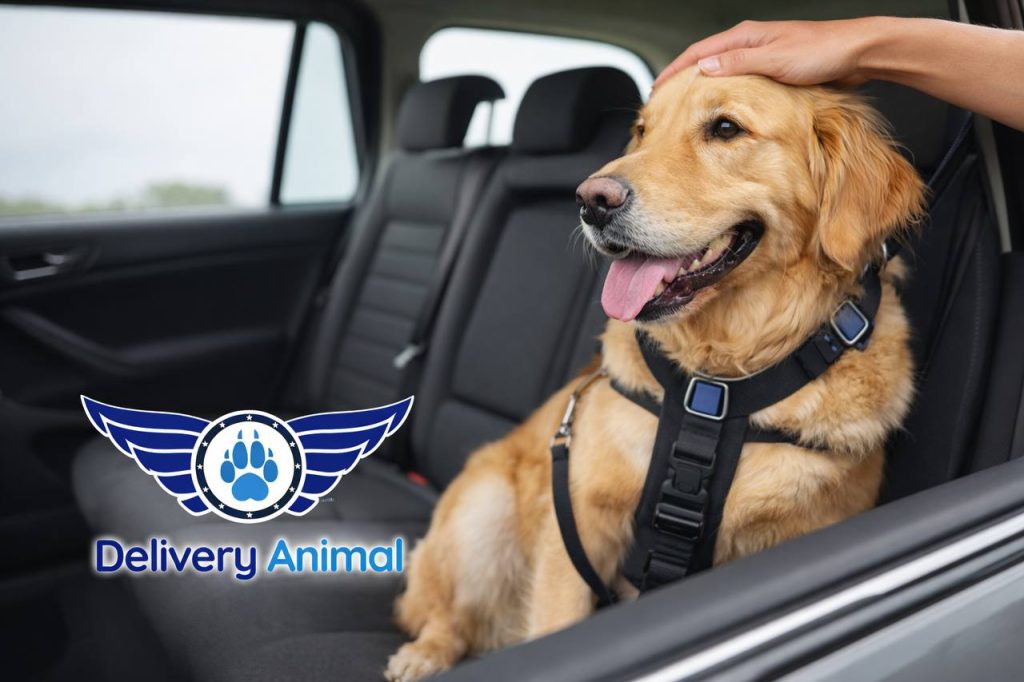
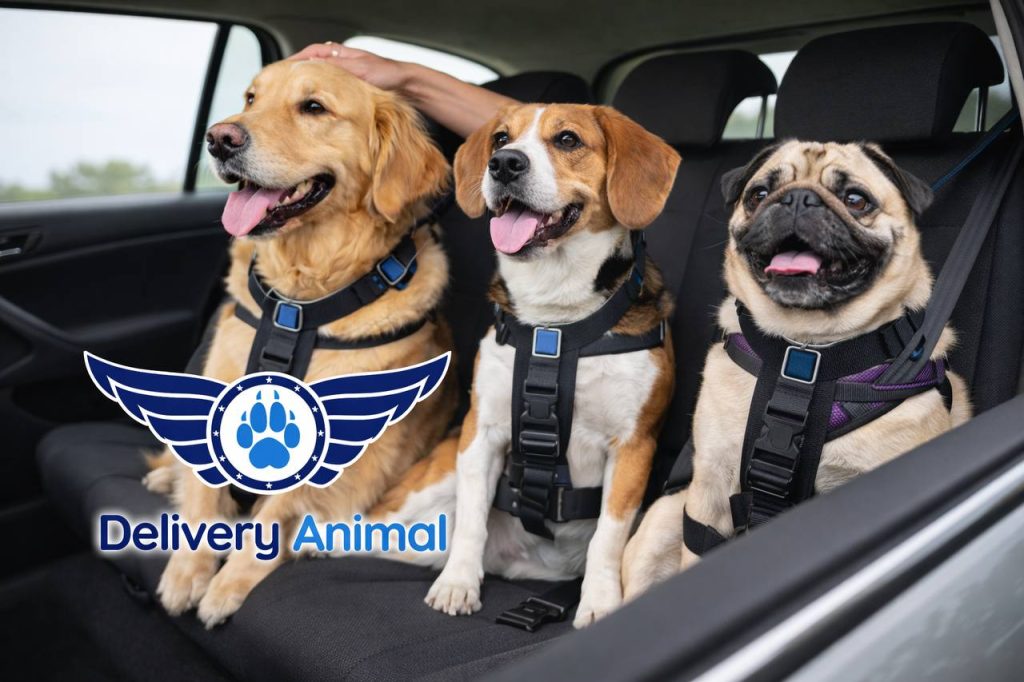
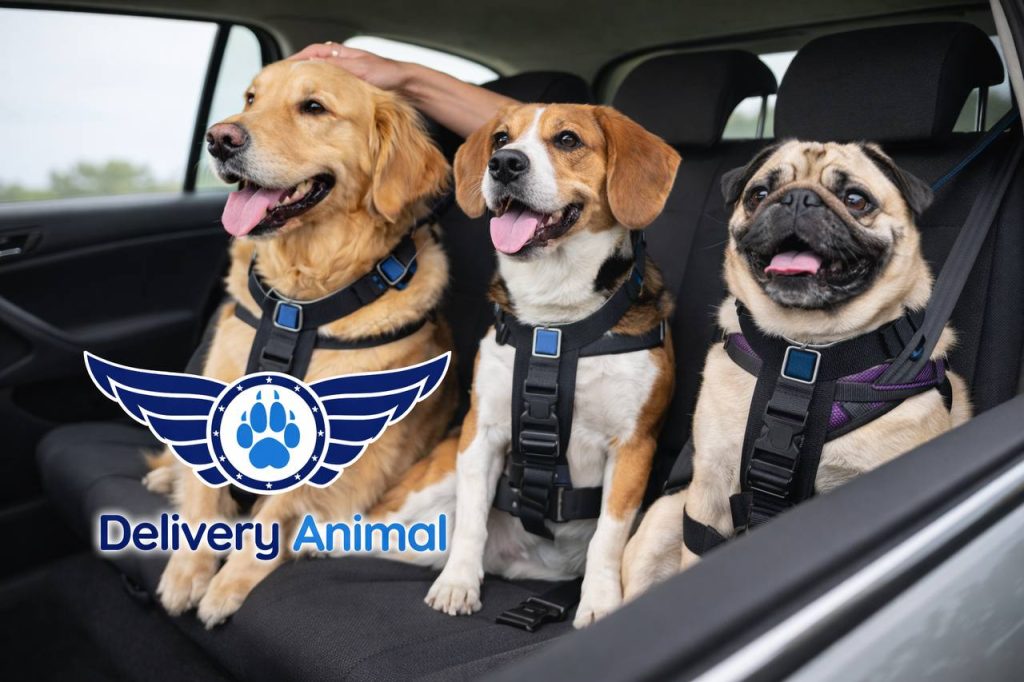
- a crash-tested car harness attached to a seat belt;
- a secured partition in the cargo area (for large breeds).
The carrier must be:
- large enough for the dog to stand and turn around;
- securely fastened;
- well ventilated.
Conclusion based on AVMA guidance: the safest method of transportation is a properly secured crate.
2. Do Not Transport a Dog in the Front Seat
Airbags can cause serious injury to an animal if deployed. In addition, a dog sitting on the driver’s lap creates a dangerous distraction.
The UK Highway Code (gov.uk) states that animals must be “suitably restrained” to prevent danger.
👉 Expert conclusion: transporting a dog by car is acceptable only when the animal cannot interfere with the driver.
3. Never Leave a Dog in a Parked Car
RSPCA warns that even at 20°C (68°F), the temperature inside a vehicle can become life-threatening. Open windows do not eliminate the risk.
Conclusion based on RSPCA data: heatstroke is one of the most common causes of animal fatalities in vehicles.
How to Transport a Dog Properly — Step-by-Step Guide
Preparation Before the Trip
- Get your dog accustomed to the carrier in advance.
- Take several short practice drives for adaptation.
- Feed your pet 3–4 hours before departure (veterinary recommendations).
- Prepare water, a bowl, a first-aid kit, and veterinary documents.
The CDC also recommends carrying vaccination certificates for long-distance travel.
During the Trip
- Take breaks every 2–3 hours.
- Prevent overheating inside the vehicle.
- Avoid sudden maneuvers.
- Monitor signs of stress.
If your dog shows significant anxiety, consult a veterinarian before traveling.
Long-Distance Dog Transportation by Car
For regional or international transportation, it is necessary to consider:
- microchipping requirements;
- rabies vaccination;
- veterinary certificates;
- destination country regulations.
The CDC Yellow Book emphasizes that entry requirements vary depending on the country.
👉 Conclusion: when transporting a dog internationally, it is essential to review official veterinary import requirements in advance.
Common Mistakes When Transporting Dogs
- Allowing free movement inside the vehicle;
- Transporting a dog in the open bed of a pickup truck;
- Using only a collar instead of a car harness;
- Skipping rest stops during long trips;
- Leaving the animal unattended in a parked car.
All these practices contradict recommendations from AVMA and RSPCA.
Checklist — Safe Dog Transportation in a Car
Before departure, make sure:
✔ The dog is secured with a carrier or crash-tested harness
✔ The carrier is fastened with a seat belt
✔ Water and a bowl are available
✔ Documents are prepared
✔ Cabin temperature is comfortable
✔ The dog is never left alone in the vehicle
Why Trust Professionals with Dog Transportation
Transporting a dog by car involves multiple safety and regulatory considerations. Specialized companies take into account:
- animal safety standards;
- veterinary regulations;
- international transport requirements;
- behavioral characteristics of pets.
A professional approach reduces stress for the animal and minimizes risks.
Conclusions
Based on recommendations from AVMA, CDC, and RSPCA, the following conclusions can be drawn:
- A dog must always be properly restrained when transported by car.
- Dog safety in a vehicle is the owner’s responsibility.
- A dog should never be left in a parked car, even briefly.
- International transportation requires strict compliance with veterinary regulations.
Following official recommendations ensures that travel is safe and comfortable for both the animal and the owner.
You can find even more useful and informative content on our website.