Training pets to perform tricks and work as a team is not only a way to have fun and strengthen the bond with your pet, but also an important tool for developing cognitive abilities, improving behavior, and supporting emotional well-being. Dogs and cats are capable of learning a wide range of commands, performing complex tasks, and responding to environmental stimuli when training is conducted systematically and with consideration of the individual animal’s characteristics.
Scientific research shows that cognitive development and trick training increase activity levels, improve mood, and reduce the risk of behavioral problems.
Why Trick Training Is Important
Cognitive development.
Regular training and learning new commands stimulate the animal’s brain, improving attention, memory, and problem-solving skills. This is especially important for active dog breeds and intelligent cats.
Strengthening the bond with the owner.
Trick training helps build trust, improve communication, and reduce stress in pets.
Behavior correction.
Obedience and command execution help manage undesirable behaviors such as jumping on people, aggression, excessive barking, or destructive actions.
Physical activity.
Many tricks require movement and coordination, helping maintain physical health, flexibility, and endurance.
Basic Training Approaches
1. Positive Reinforcement
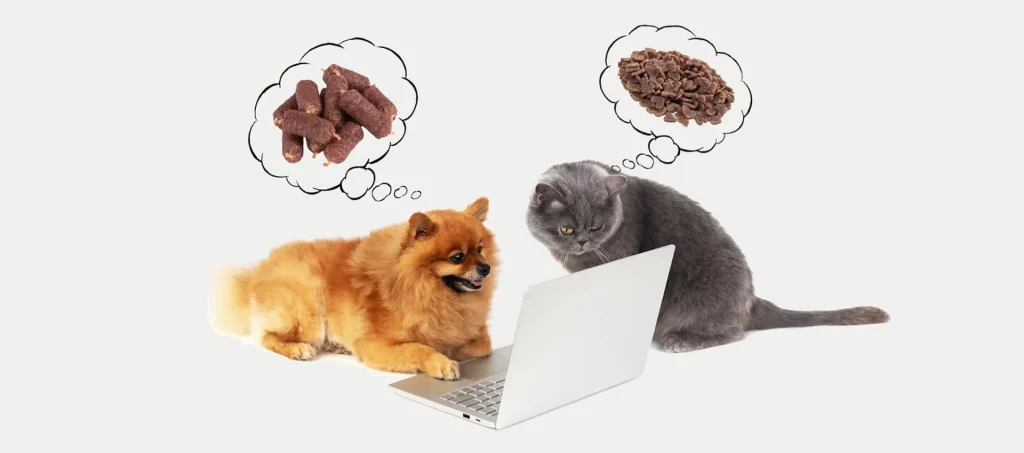
Positive reinforcement is considered the most effective training method. It includes rewarding correct behavior with:
- Treats and special snacks
- Toys and favorite games
- Praise and affection from the owner
An important principle is that the reward must follow immediately after the correct action so the animal can associate the command with the outcome.
2. Gradual Increase in Difficulty
Training should start with simple commands: “Sit,” “Down,” “Come.”
After mastering basic commands, more complex tricks can be introduced: “Roll over,” “Spin,” “Fetch,” “Jump through a hoop.”
3. Repetition and Consistency
Regular short training sessions (5–15 minutes, several times a day) are more effective than long sessions. Animals quickly lose focus if training is too prolonged.
4. Individual Approach
Different breeds and individual animals have unique learning traits:
- Active dog breeds (Border Collies, Labradors) learn commands quickly and enjoy working with their owner.
- Cats take longer to respond to training, but with treats and play, they can demonstrate a high level of skill.
Examples of Tricks for Dogs
- Basic commands: “Sit,” “Down,” “Stand,” “Come”
- Object tricks: fetch a toy, give a paw, place an object in a box
- Acrobatics: jumping through a hoop, somersaults, spiral movements
- Complex tasks: scent-based object search, performing command sequences
Examples of Tricks for Cats
- Simple commands: “Sit,” “Come,” “Down”
- Play-based tricks: catching a ball, jumping onto a platform
- Object manipulation: pressing a button, opening a lid, pushing objects with a paw
- Interactive games: clicker training combined with treats
Clicker Training Method
Clicker training is one of the most effective methods for training cats and dogs. The principle is simple: the click sound signals correct behavior, followed by a reward.
Advantages:
- Clear feedback for the animal
- Faster learning process
- Ability to teach complex behavior sequences
Teamwork
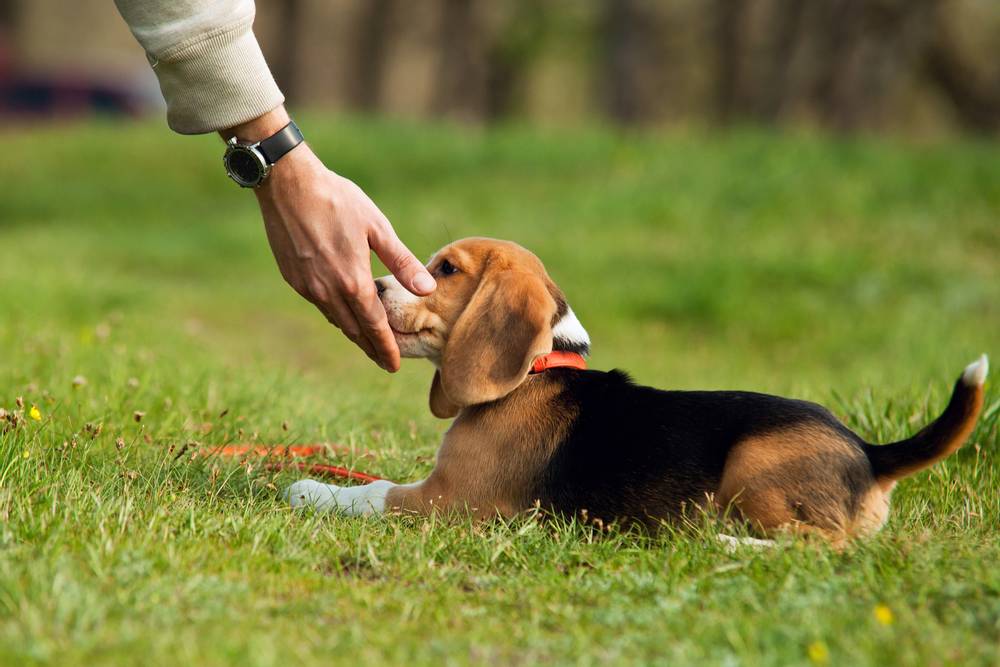
Trick training is closely linked to teamwork:
- The dog and owner become a team performing action sequences
- Teamwork improves attention and coordination
- It can be integrated into daily life: walks, outdoor games, and interaction with other pets
Teamwork is especially beneficial for working dog breeds such as herding, hunting, and guard dogs. It develops cooperation skills, emotional control, and responsiveness to the owner’s signals.
Common Owner Mistakes
- Lack of consistency — commands are quickly forgotten
- Use of punishment — negative reinforcement reduces motivation and causes fear
- Tasks that are too difficult too soon — the animal loses interest
- Ignoring individual traits — training must consider breed, age, temperament, and health
Benefits for Mental Health
- Reduces anxiety and stress
- Increases activity and curiosity
- Helps correct behavior and reduce destructive habits
- Improves memory, concentration, and problem-solving abilities
Age Considerations
- Puppies and kittens: early training is easier and habits form faster
- Adult animals: training requires patience but is effective with proper methods
- Senior animals: trick training stimulates the brain, improves mobility, and supports overall health
Conclusion
Training tricks and teamwork is not just entertainment but an essential tool for development, physical activity, and emotional well-being. Regular training using positive reinforcement helps raise a well-behaved, active, and happy pet. An individual approach, gradual task progression, and teamwork unlock the full potential of every dog and cat, improving quality of life and strengthening the human–animal bond.
Continuous trick training makes pets more adaptable, intelligent, and socially balanced while bringing owners joy and confidence in their pet’s well-being.
Sources
- American Veterinary Medical Association (AVMA) — Training Dogs and Cats
https://www.avma.org/resources-tools/pet-owners/petcare/training-dogs-and-cats - ASPCA — Dog Training Tips
https://www.aspca.org/pet-care/dog-care/dog-training-tips - VetStreet — Cat Training
https://www.vetstreet.com/our-pet-experts/cat-training - PetMD — Dog Training Basics
https://www.petmd.com/dog/training - Karen Pryor Clicker Training — Clicker Training for Cats and Dogs
https://www.clickertraining.com/clicker-training