

Modern technologies penetrate all areas of our life, and caring for pets is no exception. Today dog and cat owners can use smart gadgets to monitor the health, activity and behavior of their pets. These devices help to notice deviations in time, prevent diseases and improve the quality of life of animals.
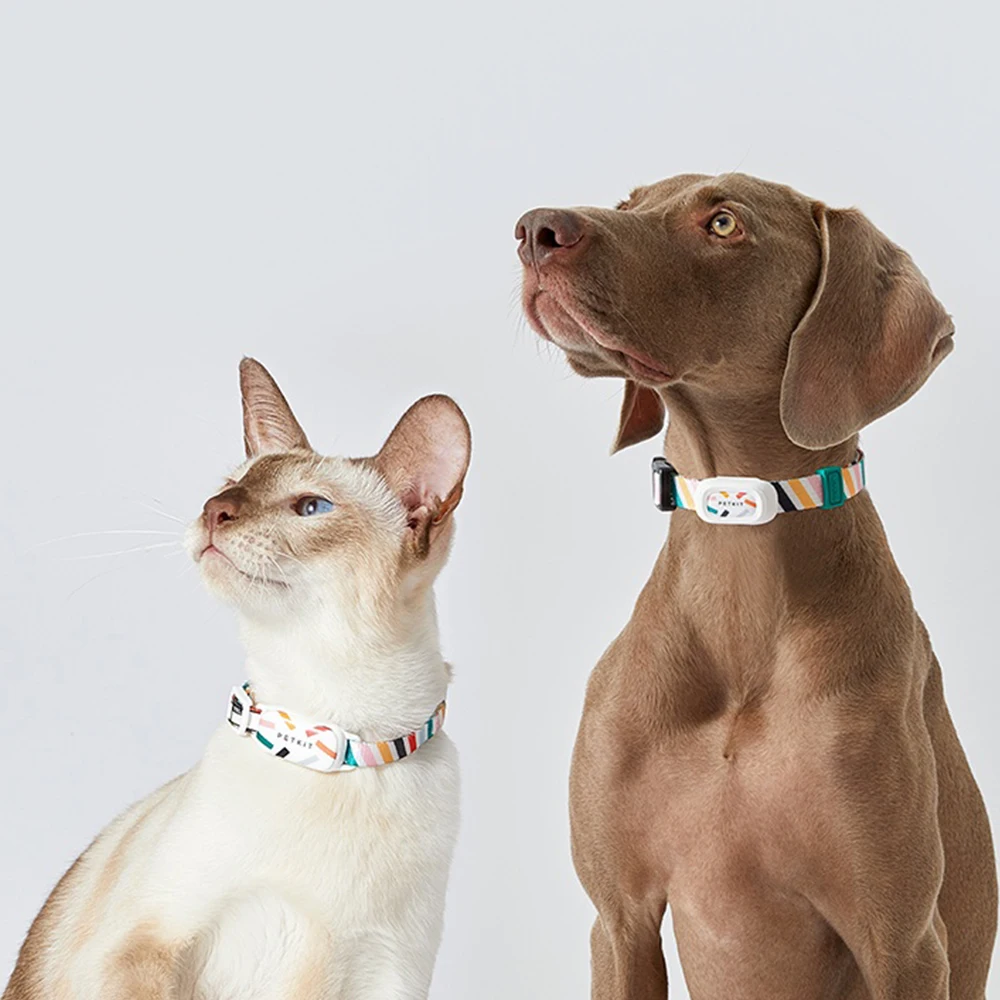
1. Smart collars and activity trackers
One of the most popular tools are smart collars and activity trackers. They measure:
- Number of steps and activity level;
- Sleep time and sleep quality;
- Heart rate;
- Body temperature;
- Sometimes — the level of stress based on behavior and movements.
Such devices help the owner track the pet’s habits. For example, a sharp decrease in activity may signal illness, pain or depression in the animal.
Example: FitBark and Whistle devices integrate with mobile applications, provide reports on the pet’s daily activity and health, and also notify the owner of sudden changes.
2. Sensors for monitoring stress and anxiety
Some gadgets make it possible to assess the emotional state of the animal. Using algorithms for analyzing movement, vibration or heart rate, they record signs of anxiety, stress or arousal.
Applications:
- Tracking reactions to noises, thunderstorms, fireworks;
- Helping with behavior correction using pheromones or calming music;
- Monitoring the animal’s adaptation in a new environment.
This is especially useful for fearful or anxious dogs and cats, helping to intervene in time and prevent nervous breakdowns.
3. Apps for tracking nutrition and weight
Some smart devices allow control of food and water intake:

- Automatic feeders with portion accounting;
- Monitoring the amount of eaten food and liquid;
- Tracking feeding habits during the day.
These data are important for preventing obesity, diet control in gastrointestinal diseases, diabetes, or allergies.
Example: Petkit Smart Feeder measures the amount of eaten food and sends a report to the owner’s smartphone.
4. Diagnosis of early signs of diseases
With smart gadgets it is possible to detect deviations at an early stage:
- Changes in activity level may signal pain, arthritis or heart problems;
- Changes in sleep habits — about anxiety, stress or internal organ problems;
- Spikes in heart rate or temperature — a signal for visiting a veterinarian.
Such devices do not replace a veterinary examination but provide important data for timely diagnosis.
5. Examples of popular solutions
a) FitBark
- Tracks activity, sleep and behavior;
- Integrates with apps for owners and veterinarians;
- Provides reports about the pet’s health.
b) Whistle
- Tracks location and activity;
- Notifies about unusual activity;
- Supports integration with veterinary services.
c) Petkit
- Automatic feeder;
- Monitoring food consumption;
- Ability to program feeding and receive notifications.
6. Benefits of technologies
- Timely detection of problems — early signs of illness, stress or injuries.
- Improving quality of life — adjusting activity, sleep, nutrition.
- Behavior control — help with anxiety, aggression or destructive habits.
- Integration with veterinarian — data help the doctor prescribe treatment more accurately.
7. Limitations and warnings
- Gadgets do not replace a veterinarian and medical examination;
- Some devices may give false alerts;
- Regular charging and setup are required for correct operation;
- It is necessary to consider the individual characteristics of animals, especially cats, which are less active and more sensitive to foreign objects.
8. Tips for owners
- Start using gadgets gradually;
- Observe the pet’s reaction, do not force it to wear the device;
- Use data as an additional source of information, not final diagnostics;
- Combine technologies with traditional care, games and attention to the pet’s emotional state.
📌 Conclusion
Smart health monitoring technologies for dogs and cats open new possibilities for owners: tracking activity, sleep, nutrition and emotional state. They help notice deviations in time, prevent diseases and improve the life of pets. However, gadgets are a tool, not a replacement for veterinary care. The optimal approach is to combine modern technologies with care, attention and regular veterinary checkups.
📚 Official sources
American Veterinary Medical Association — Pet Wearables and Health Monitoring.
https://www.avma.org/resources-tools/pet-owners/petcare/pet-wearables
Whistle — Health & Activity Monitoring for Dogs and Cats.
https://www.whistle.com
FitBark — Activity & Sleep Tracking for Dogs.
https://www.fitbark.com
Petkit — Smart Feeding and Health Monitoring.
https://www.petkit.com
Friedmann, E., & Son, H. The Human-Companion Animal Bond: How Humans Benefit. Veterinary Clinics of North America, 2009.
https://www.sciencedirect.com/science/article/abs/pii/S1090023309000033