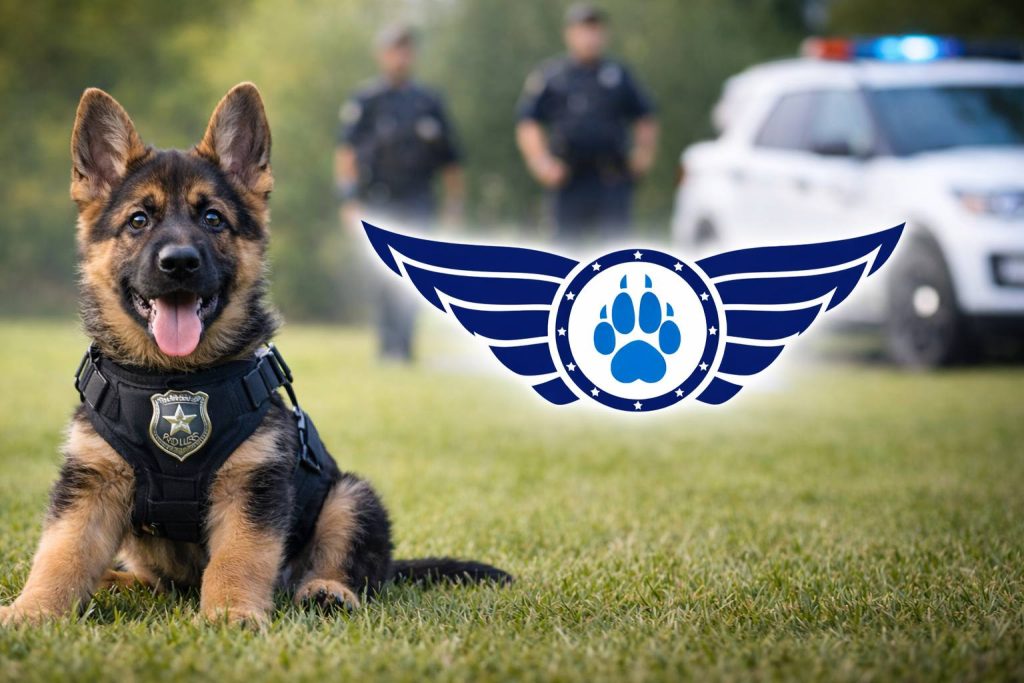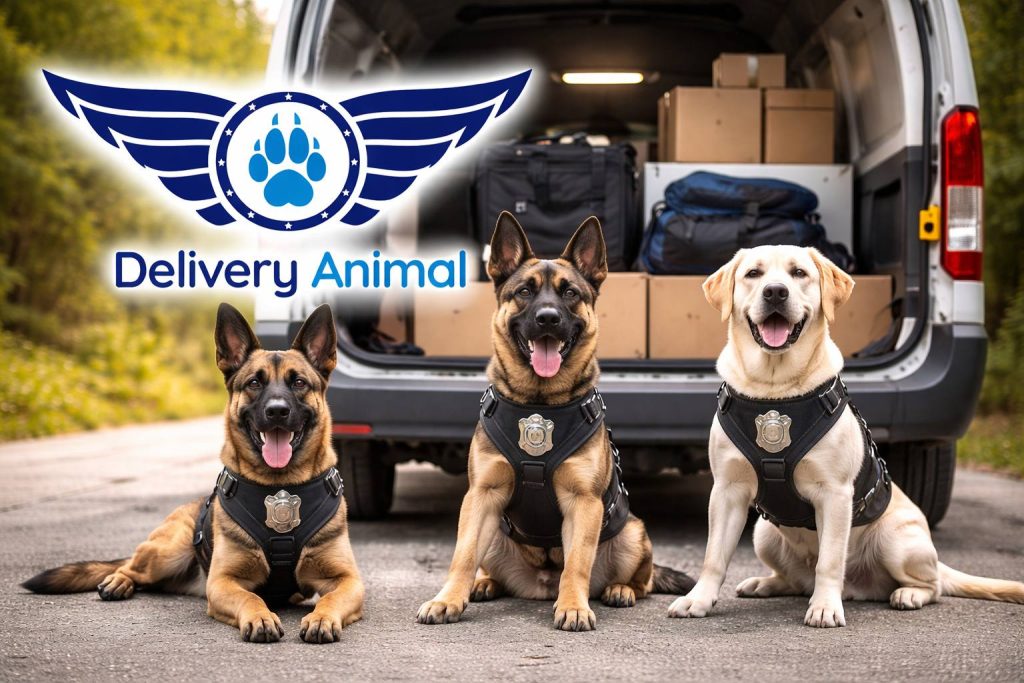

Service dogs require careful selection and specialized training. How to choose a puppy for police and special service work — we will explore this in this practical guide.
A service dog is not just a family companion — it is a working asset with specific requirements for temperament, health, and trainability. This article provides a clear and practical guide for animal delivery services and private owners who want to select a puppy for specific tasks: search and rescue (SAR), detection of prohibited substances, patrol/protection/apprehension work, and hunting functions.
The article is based exclusively on official standards and peer-reviewed research and provides concrete recommendations and checklists.
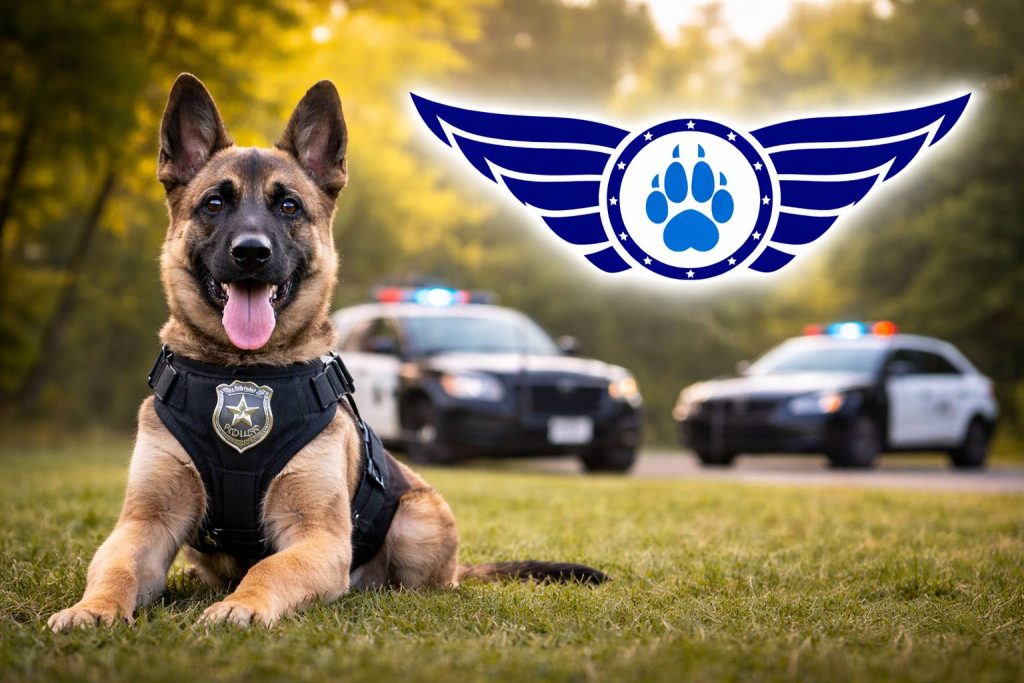
Why Early Selection Matters — Clear and Concise
Traits developed in the first months of life and verified through standardized tests directly influence future service success.
Dogs with high obedience, stable temperament, and strong working drive are easier and faster to prepare for specialized tasks. Scientific reviews and professional standards recommend systematic behavioral selection and testing before and during training.
Universal Qualities of All Service Dogs
1) Health and Physical Structure
A puppy must have verified health documentation, vaccinations, no hereditary diseases (hip dysplasia, cardiac conditions), and appropriate physical conformation for expected workload. Regular veterinary examinations and genetic screening are strongly recommended (see national police and working dog standards).
2) Temperament Stability and Absence of Pathological Fear or Aggression
A service dog must react calmly to strangers, noise, and unusual environments. High scores in stress resilience and low fearfulness correlate with better working performance.
3) Working Drives (Play / Hunt / Search / Food Drive)
“Drive” is a key indicator:
- For SAR, strong search and play drive are essential.
- For detection work, high scent motivation and selective odor response are critical.
- For patrol and protection, controlled defensive drive is required.
Drive can be evaluated through toy engagement, ball play, and structured motivation tests.
4) Trainability and Focus
High trainability and the ability to maintain concentration despite distractions are essential for reliable and efficient preparation. Certification standards place significant emphasis on these traits.
Choosing a Puppy for a Specific Task
Search and Rescue (SAR — Search and Rescue)
Required traits:
- High energy
- Persistent search drive
- Confidence in unfamiliar environments
- Good endurance
- Low uncontrolled aggression
Commonly used breeds include Labrador Retrievers, retrievers, German and Dutch Shepherds, and Border Collies. Selection models such as FEMA/ASTM evaluate independent search behavior, toy motivation, and noise resilience.
Practical tip: At 8–12 weeks, test toy engagement, reaction to sudden sounds, and willingness to explore new surfaces.
Detection of Prohibited Substances (Narcotics Detection Dogs)
Required traits:
- Exceptional scent motivation
- Strong selective focus
- Moderate impulsivity
- Ability to work in crowded environments
Common breeds include Labrador Retrievers, Springer Spaniels, and working retrievers. A common test involves locating a “toy substitute” hidden among distracting objects.
Patrol, Protection, Apprehension (Patrol Dogs)
Required traits:
- Confident courage
- Controlled aggression on command
- Strong handler engagement
- Endurance and stress resilience
Typically used breeds: German Shepherds, Belgian Malinois, sometimes Rottweilers. Proper socialization is critical to ensure aggression remains controlled and applied only under command. Official standards emphasize animal welfare and behavioral control.
Hunting Functions (Tracking, Retrieval)
Required traits:
- Strong prey/hunting instinct
- Endurance
- High trainability
- Reliable retrieval ability
Breeds: Labrador Retriever, Springer Spaniel, retrievers, setters. Tests include game-simulation tracking and resistance to distractions.
Practical Checklist When Selecting a Puppy (for deliveryanimal.com)
Before Purchase or Transfer
- Request veterinary records and breeder history; conduct a basic veterinary examination.
- Conduct standardized behavioral screening (play drive, noise response, independence, sociability).
- Review parents’ working titles and hereditary disease screening results.
- Evaluate toy and food motivation; conduct simple field tests (toy search in a room, reaction to a stranger).
First Months — What to Do
- Begin structured socialization immediately: exposure to noise, people, other animals.
- Strengthen play drive — for search and detection dogs, play often becomes the primary reward in training.
Who Confirms Standards and Certification — Whom to Trust
Official standards and working dog guidelines are published by national authorities and professional organizations:
- In the United Kingdom — College of Policing and NPCC
- In the United States — FEMA and ASTM standards for search and rescue
- Peer-reviewed scientific research summarizes empirical selection criteria
Use official documentation when preparing and certifying a service dog.
Expert Conclusions and Recommendations
Service dogs are a distinct category of working animals that are subject to heightened requirements regarding health, psychological stability, and working motivation. Modern service dogs undergo a multi-stage selection process that includes veterinary examination, evaluation of hereditary factors, and behavioral testing.
Service dogs are used in police and special services for search and rescue operations, detection of prohibited substances, patrol duties, and facility protection. The training that service dogs receive is based on official standards and international certification protocols. It is important to understand that service dogs are the result of professional breeding and proper early development. Therefore, future service dogs must be selected as early as puppyhood, taking into account their temperament, stress resilience, and strong working drive. Only in this case can service dogs effectively perform tasks under conditions of increased responsibility and workload.
- Do not economize on selection. Service success begins in the first 2–4 months of life.
- Match the puppy to the task, not just the breed. Breed provides predisposition, but individual testing is decisive.
- Follow official certification and welfare standards.
- Deliveryanimal.com can assist with documentation verification, preliminary testing, and referrals to accredited trainers and veterinarians, increasing trust and service quality.
FAQ — Frequently Asked Questions About Service Dogs and Puppy Selection
What is the best age to select a service puppy?
The optimal age for primary assessment is 8–12 weeks. At this stage, basic temperament, play and search drive, noise response, and social behavior can be evaluated. Early selection improves training success, as supported by working dog research (Bray et al., Frontiers in Veterinary Science; NPCC standards).
Which breeds are most commonly used in police and special services?
The most common service dog breeds:
- German Shepherd — patrol, protection, apprehension
- Belgian Malinois — protection, special operations
- Labrador Retriever — search and rescue, detection work
- Springer Spaniel — scent detection
Official guidance emphasizes that individual qualities are more important than breed alone (College of Policing, NPCC).
Can you determine early if a puppy is suitable for SAR work?
Yes. Selection criteria include:
- Strong search and play drive
- No fear of new surfaces or loud sounds
- High energy and endurance
- Strong willingness to engage with humans
These criteria are reflected in FEMA guidelines and scientific reviews of working dogs.
What qualities are essential for detection dogs?
A detection dog must have:
- Strong scent motivation
- Ability to focus despite distractions
- Stable nervous system
- High trainability
Toy-based reward systems are commonly used in detection training (Frontiers in Veterinary Science).
What is more important for a protection dog — aggression or obedience?
Controlled behavior is more important than aggression. A patrol dog must:
- Work strictly on command
- Switch quickly between arousal and calmness
- Remain controllable under stress
Official standards (NPCC Police Dog Standard) emphasize control and animal welfare.
Is certification mandatory?
Yes. Service dogs must pass official certification and regular recertification (College of Policing, FEMA USAR, ASTM). Without certification, they are not authorized for operational duties.
Can a service dog be trained independently?
Basic socialization can begin with the owner. However, specialized training (SAR, detection, protection) must be conducted by accredited instructors following official methodologies.
What documents are required for a service puppy?
- Veterinary passport and vaccination records
- Pedigree documentation
- Parental health testing results
- Initial behavioral screening
These reduce the risk of disqualification during training.
Why is it important to buy from a verified supplier?
Platforms like deliveryanimal.com can provide:
- Health and document verification
- Transparent breeder information
- Preliminary working aptitude assessment
- Safe transportation
This reduces purchase risks and improves future service preparation quality.
Sources (Official and Peer-Reviewed)
- National Police Chiefs’ Council — NPCC Police Dog Standard V.1
- College of Policing — Police Dogs Guidance (Authorized Professional Practice)
- Bray, E. E. et al., Enhancing the Selection and Performance of Working Dogs, Frontiers in Veterinary Science
- Hare, E. et al., Behavior Differences Between Search-and-Rescue and Pet Dogs, Frontiers / PMC
- FEMA / NIMS — Search and Rescue Canine Standards (ASTM / USAR)
You can find even more useful and informative information on our website.