
Poisonous plants for pets can turn a simple walk in the garden into an emergency visit to the veterinarian. Although many ornamental crops look harmless, they often contain dangerous chemical compounds designed to protect them from herbivores. Pet owners must understand that poisonous plants for pets include not only exotic flowers but also familiar tulips, lilies, and even certain types of decorative shrubs. Often, the hidden threat lies not in the flower itself, but in its pollen, stem sap, or even the water in which cut branches have been standing. Given that pets tend to explore the world through taste and smell, any negligence in choosing seedlings can lead to fatal consequences.
In this article, we will examine how to identify poisonous plants for pets in time to ensure the complete safety of your four-legged friends and create a truly harmonious space on your property. We will analyze the toxicological impact of various types of flora and outline a step-by-step plan of action in case of an emergency.
Chapter 1. Why Can Garden Flora Be Toxic?
Plants have developed defense mechanisms against being eaten by insects and mammals. What we call a “beautiful flower” can, from a biological standpoint, be a container filled with alkaloids, glycosides, or oxalates.
Mechanism of Action
When a dog or cat tastes poisonous plants for pets, toxins enter the bloodstream through the mucous membranes. Depending on the type of poison, the damage can affect:
- The Central Nervous System (hallucinations, seizures).
- The Cardiovascular System (arrhythmia, cardiac arrest).
- Kidneys and Liver (irreversible failure).
Chapter 2. List of the Most Dangerous Garden Crops
According to the ASPCA Animal Poison Control classification, there is a “black list” of flora that is strongly discouraged from being planted in areas where pets roam freely.
1. Lilies (Lilium) — The Hidden Killer of Cats
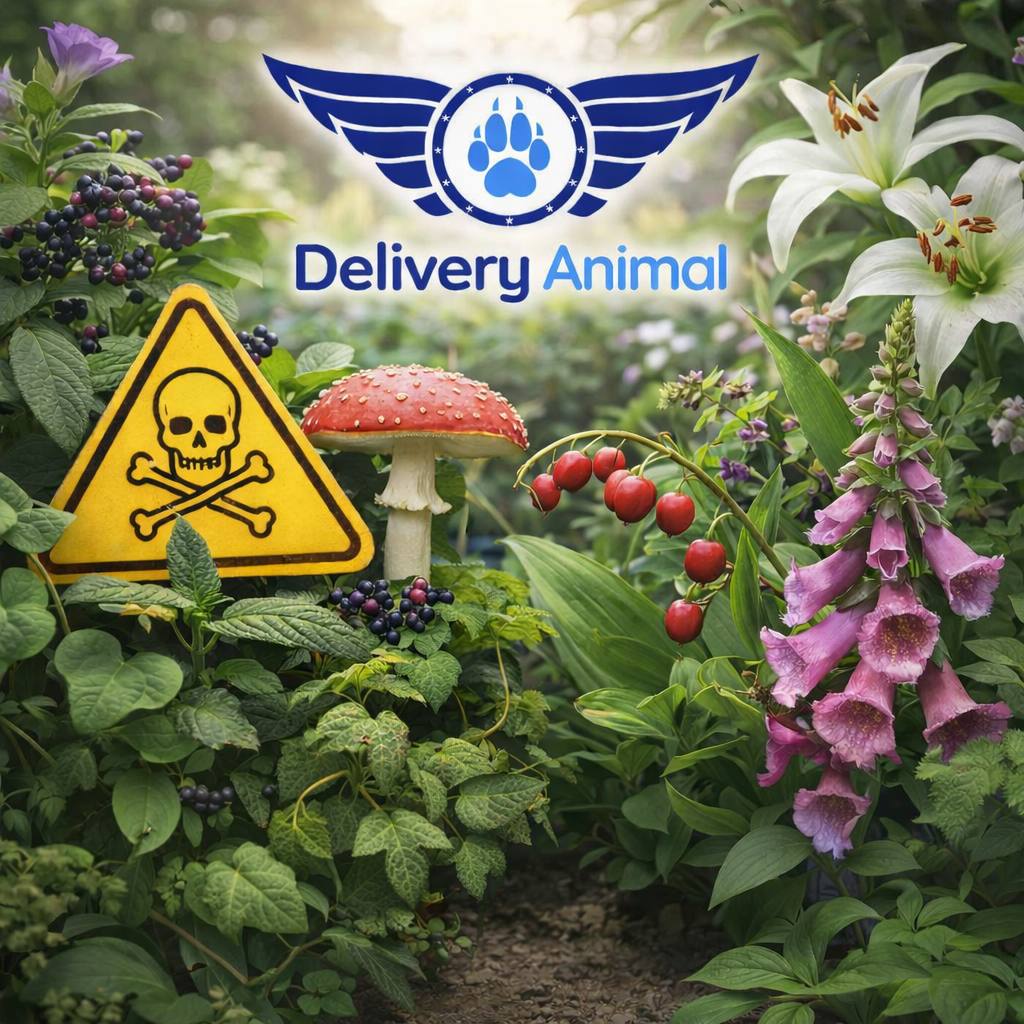
For cats, almost all true lily species are fatal. Even pollen that lands on a pet’s nose and is licked off during grooming can cause death. If these poisonous plants for pets grow in your garden, the risk of acute kidney failure in a cat increases significantly.
2. Foxglove (Digitalis) and Its Effect on the Heart
This spectacular biennial plant contains digitoxin. In veterinary practice, foxglove is known as a dangerous source of poisonous plants for pets, as even a small dose can cause severe bradycardia.
3. Rhododendrons and Azaleas
These shrubs contain grayanotoxins, which disrupt the function of sodium channels in cells. Symptoms of poisoning include depression, diarrhea, and collapse.
4. Castor Bean (Ricinus)
Castor seeds contain ricin. These are arguably the most dangerous poisonous plants for pets available on the retail market. A lethal dose for a medium-sized dog can be as little as 2–4 seeds.
Chapter 3. Seasonal Hazards: Bulbs and Shrubs
Spring is a time of high risk. Dogs are often curious about freshly dug soil where the bulbs of tulips, hyacinths, and daffodils are hidden.
- Tulips and Hyacinths: The highest concentration of toxins is found in the bulb. Ingesting a part of the bulb leads to severe irritation of the mouth and esophagus.
- Yew (Taxus): All parts of this evergreen tree, except for the aril, contain taxine. These are extremely aggressive poisonous plants for pets, causing respiratory paralysis.
Chapter 4. Clinical Picture and First Aid
Recognizing that your pet has ingested poisonous plants for pets can be done by observing the following signs:
- Sudden vomiting or diarrhea;
- Excessive salivation (hypersalivation);
- Unsteady gait, loss of coordination in space;
- Swelling of the muzzle or tongue.
Important: If you notice these symptoms, do not attempt to treat the pet yourself. Photograph the plant that may have caused the issue and immediately contact a clinic. Time is a critical factor in intoxication.
Chapter 5. How to Make Your Property Safe (Pet-Friendly Landscape)
Excluding poisonous plants for pets from your landscape does not mean leaving the garden empty. There are many safe alternatives.
Safe Replacements:
- Instead of lilies — Asters or Snapdragons.
- Instead of azaleas — Camellias.
- Instead of foxglove — Hollyhock (Malva).
It is also recommended to use raised beds and decorative fencing to physically limit pet access to potentially dangerous zones.
Expert Conclusions
Owner awareness is the primary key to a pet’s longevity. When studying poisonous plants for pets, always check with official veterinary registries rather than amateur forums.
A careful selection of flora and the removal of such items as poisonous plants for pets will make your garden a truly harmonious and safe place for all family members.

DeliveryAnimal.com advocates for responsible pet care and supports the dissemination of verified expert information.