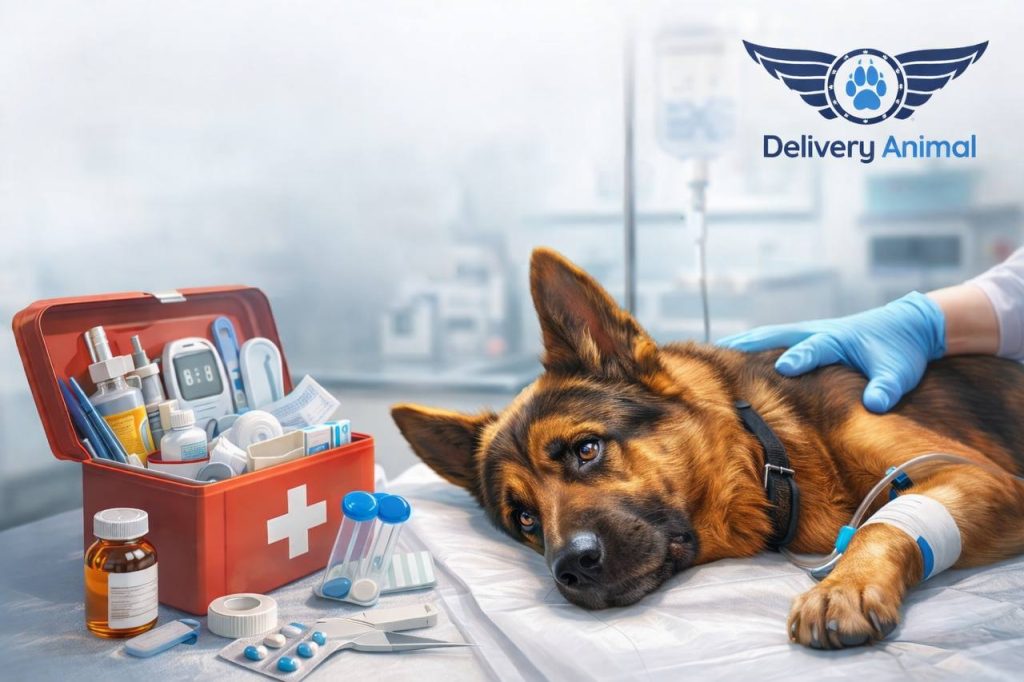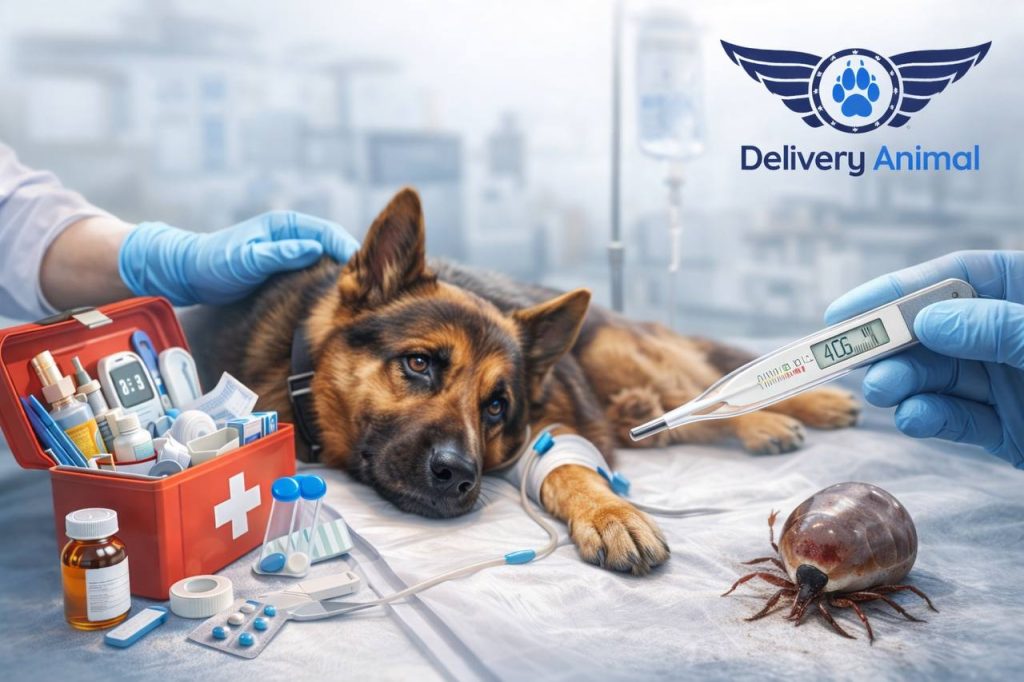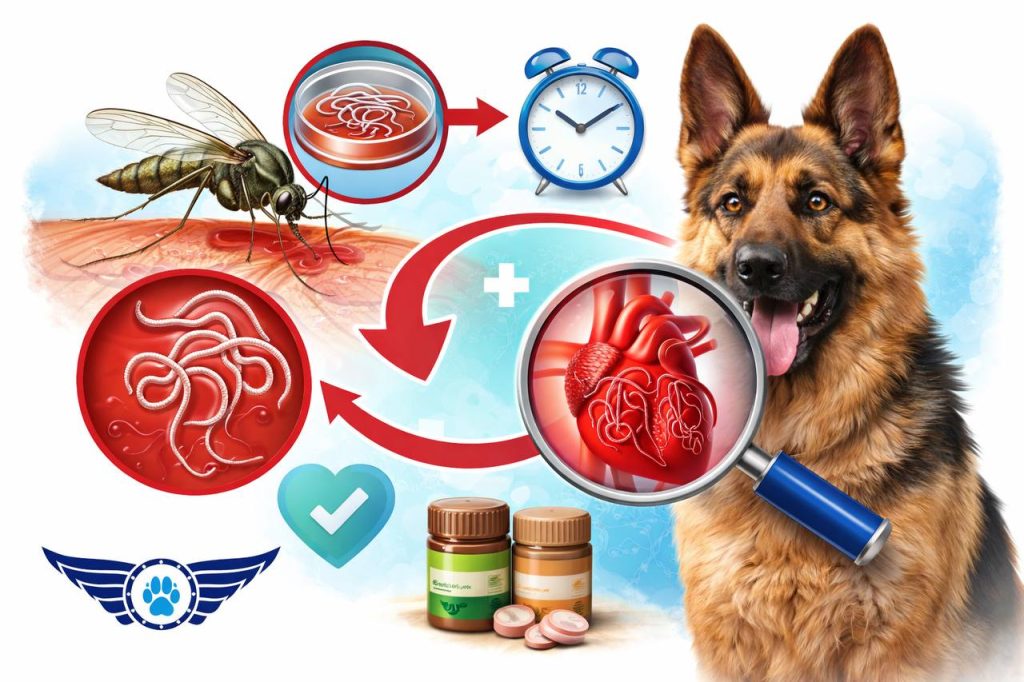

Piroplasmosis (babesiosis) is a seasonal parasitic blood disease that, without timely intervention, results in a fatal outcome in 90% of cases. The disease is transmitted by ixodid ticks, whose activity begins immediately after the snow melts.
In this article, we will analyze how to recognize the disease at an early stage, what to do before visiting a clinic, and how to protect your dog based on the protocols of evidence-based veterinary medicine.
What is Piroplasmosis and Why is it Dangerous?
Piroplasmosis is caused by protozoan microorganisms of the genus Babesia. When a tick bites, these parasites enter the bloodstream and begin to actively destroy erythrocytes (red blood cells).
Pathogenesis of the Disease
The destruction of erythrocytes leads to:
- Hemolytic Anemia: Body tissues stop receiving sufficient oxygen.
- Intoxication: Hemoglobin breakdown products poison internal organs.
- Renal Failure: The kidneys cannot cope with filtering the massive amount of free hemoglobin.
Important: The incubation period ranges from 2 to 21 days, but symptoms most commonly appear within 3–5 days after the bite.
Symptoms: How to Tell if Your Dog is Sick?
The key problem with piroplasmosis is its rapid progression. Experts distinguish several forms, but it is vital for owners to recognize these critical markers.
Main Clinical Signs
- Lethargy and Loss of Appetite: The dog stops enjoying walks and lies down for long periods.
- Hyperthermia: Body temperature rises to 40–42°C (normal range is 37.5–39.0°C).
- Change in Urine Color: It becomes dark—the color of beer or tea—or shows a clear presence of blood (hemoglobinuria).
- Pale or Yellowish Mucous Membranes: Check the gums and the whites of the eyes; they should not look white or jaundiced.
- Weakness in Hind Limbs: The dog may “stumble” or “wobble” while walking.
First Aid for Suspected Piroplasmosis
If you find a tick or notice the symptoms mentioned above, you must act immediately. Remember: there is no specific home treatment; anti-protozoal drugs must be administered by a veterinarian.
Step 1: Tick Removal
If you find a parasite, remove it using a special tick twister or tweezers. Do not pull straight up; twist it out gently. Disinfect the bite site with an antiseptic.
Step 2: Temperature Monitoring
Measure the temperature rectally. If it is above 40°C, it is an emergency.
Step 3: Combating Dehydration
Before heading to the clinic, ensure the dog is rested and has access to water. If the dog refuses to drink, you can offer small portions (5–10 ml every 20 minutes) using a syringe without a needle.
Step 4: Transportation
Deliver the animal to a veterinary clinic as soon as possible. Do not wait until morning if symptoms appear in the evening. Every hour of delay increases the risk of permanent kidney damage.
What NOT to do: Do not attempt to inject drugs like “Piro-Stop” or “Azidine” yourself without a confirmed diagnosis. They are highly toxic and require precise dosage based on weight.
Diagnosis and Expert Treatment
At the clinic, a veterinarian must conduct a comprehensive examination, as the symptoms of piroplasmosis are similar to leptospirosis and canine distemper.
Mandatory Procedures:
- Peripheral Blood Smear: Blood is taken from the ear or a claw to detect Babesia under a microscope.
- Complete Blood Count (CBC): Shows the level of anemia and thrombocytopenia.
- Blood Biochemistry: Necessary to assess the state of the liver and kidneys before starting aggressive therapy.
Therapy Scheme Includes:
- Specific Medications: Imidocarb or Diminazene.
- Hepatoprotectors and Vitamins: To support the body.
- Infusion Therapy (IV drips): To flush out toxins and prevent kidney failure.
Precautions and Prevention
Prevention is the only reliable way to avoid the disease. The modern market offers several effective solutions.
1. Oral Tablets (Highest Level of Protection)
Drugs from the isoxazoline group (Bravecto, Simparica, NexGard) paralyze the tick upon an attempted bite.
- Advantage: Not washed off by water; acts systemically.
2. Spot-on Drops
Effective when applied correctly to the skin (not the coat!). Do not bathe the dog 2 days before or 2 days after application.
3. Collars and Sprays
Suitable as an additional measure. The collar must fit snugly against the skin.
Owner’s Checklist:
- Inspect the dog after every walk (especially the neck, ears, groin, and armpits).
- Combine methods (e.g., tablets + spray before going into the forest).
- Vaccination for piroplasmosis exists (e.g., “Pirodog”), but it does not prevent infection; it only eases the severity of the illness.
Conclusions and Expert Recommendations
Piroplasmosis is a lottery where the stake is your pet’s life. The only way to win is through preventative treatment and instant reaction at the first sign of illness.
For up-to-date information on the epidemiological situation and pet transportation rules in case of illness, we recommend contacting official departmental resources and international veterinary associations:
- WSAVA (World Small Animal Veterinary Association) — Global Veterinary Community (international treatment protocols).
- ESCCAP (European Scientific Counsel Companion Animal Parasites) — Official Site (guidelines for parasite control).
- Expert materials on animal safety — Delivery Animal (recommendations for care and transport).