
Pets are not only joy and companionship but also a responsibility for their health and comfort. Cats and dogs are sensitive to their environment: harmful substances, noise, light, unsuitable plants, and household chemicals can cause stress, allergies, and illnesses. Creating an environmentally safe home is important for the well-being of pets and the entire family.
1. The impact of household chemicals on animals
Many cleaning products, disinfectant sprays, and air fresheners contain toxic components for animals. When an animal comes into contact with surfaces or inhales them, it may experience:
- Skin and mucous membrane irritation;
- Respiratory problems;
- Poisoning if accidentally ingested.
Advice for owners:
- Use eco-friendly, biodegradable cleaning products without aggressive chemicals;
- Do not allow a pet to come into direct contact with surfaces immediately after cleaning;
- Ventilate the room after using the products.
Examples of safe products: vinegar solution, baking soda, products labeled “pet-safe.”
2. Dangerous foods and plants
Some foods that are safe for humans are deadly for cats and dogs:
- Chocolate, caffeine, alcohol;
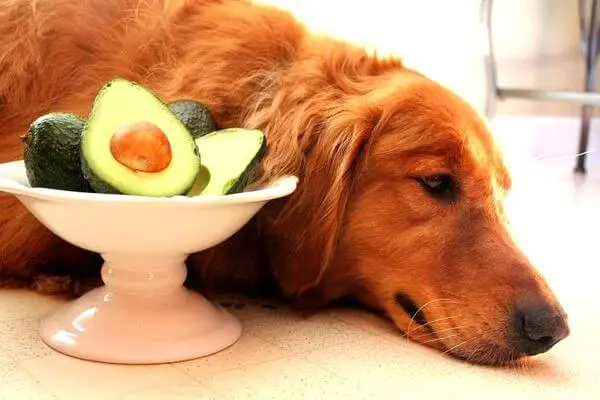
- Onion, garlic, avocado;
- Chicken and fish bones — risk of choking or intestinal damage.
Plants can also be toxic: lilies (deadly for cats), dieffenbachia, philodendron, azaleas, oleander.
Tip: Always check plants for toxicity before buying or placing them in the home.
3. Creating a safe space
It is important to organize areas for rest, play, and feeding:
- Sleeping area: quiet, protected from drafts, preferably with a favorite bedding;
- Feeding area: away from drafts and high-traffic places;
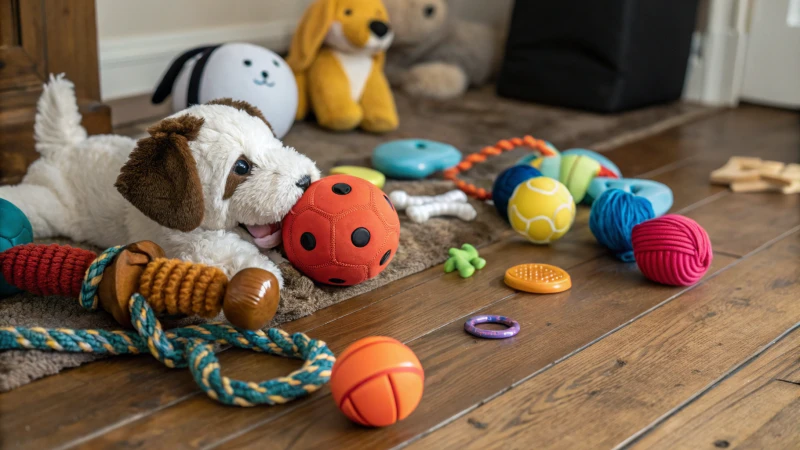
- Play area: safe toys without small parts that a pet could swallow;
- Elevated areas for cats: shelves, scratching posts so they can observe the home from above.
4. Noise and light pollution
Cats and dogs are sensitive to sounds and light. Constant noise or bright lighting:
- Increases stress;
- Disrupts sleep;
- May provoke aggression or anxiety.
Recommendations:
- Use quiet household appliances;
- Adjust lighting, avoiding overly bright lamps or direct light at night;
- During loud events (renovation, fireworks), use pheromones or calming sprays.
5. Air quality and cleanliness control
Air quality directly affects the health of pets:
- Dust and pollen can cause allergies;
- Tobacco smoke is dangerous for the respiratory system;
- Humidifiers help prevent dryness of mucous membranes and skin.
Tip: regularly ventilate the home, maintain the cleanliness of the pet’s coat, use filters and air purifiers.
6. Use of safe materials
When choosing furniture, flooring, toys:
- Prefer natural materials (wood, cotton, wool);
- Avoid furniture with toxic varnishes and paints;
- Toys should be free of small parts and toxic dyes.
7. Owner education and constant observation
Even in the safest home, a pet needs attention:
- Observe behavioral changes: reduced activity, aggression, hiding — signs of problems;
- Educate yourself: learn which foods, plants, and household items are dangerous;
- Consult a veterinarian at the first signs of malaise.
📌 Conclusion
Creating a safe home ecology is the key to the health and happiness of pets. Household chemicals, plants, noise, light, air quality, and materials directly affect cats and dogs. A comprehensive approach — safe products, comfortable zones, monitoring of diet and environment, and owner attention — reduces stress, prevents illnesses, and ensures pets a long and happy life.
📚 Official sources
American Veterinary Medical Association — Pet Safety: Household Hazards.
https://www.avma.org/resources-tools/pet-owners/petcare/pet-safety
ASPCA — Toxic and Non-Toxic Plants.
https://www.aspca.org/pet-care/animal-poison-control/toxic-and-non-toxic-plants
Pet Poison Helpline — Common Household Items Toxic to Pets.
https://www.petpoisonhelpline.com
Veterinary Partner — Environmental Enrichment for Cats and Dogs.
https://veterinarypartner.vin.com
Friedmann, E., & Son, H. The Human-Companion Animal Bond: How Humans Benefit. Veterinary Clinics of North America, 2009.
https://www.sciencedirect.com/science/article/abs/pii/S1090023309000033