

Oral Health in Pets
Oral health is one of the most important aspects of overall well-being that often remains underestimated. Dental and gum diseases can lead to pain, tooth loss, impaired nutrition, and even serious internal illnesses. As with humans, regular oral hygiene and dental monitoring in dogs and cats help maintain overall health and significantly improve quality of life.
According to statistics, 80% of dogs and 70% of cats over the age of three show signs of oral diseases, including gingivitis and periodontitis. Many pet owners remain unaware of these issues because animals are skilled at hiding pain.
Why Dental Health Matters for the Entire Body
1. Digestion and Nutrient Absorption
Teeth and gums directly affect an animal’s ability to chew food properly. Dental problems cause pain and discomfort while eating, leading to food refusal or insufficient chewing. As a result, pets may not receive essential nutrients, lose weight, and suffer from vitamin and mineral deficiencies. Elderly animals and pets with chronic diseases are especially vulnerable.
2. Connection to the Cardiovascular System
Oral diseases can contribute to secondary heart problems. Bacteria accumulating on teeth and gums may enter the bloodstream and cause heart inflammation (endocarditis). This is particularly dangerous for elderly pets and animals with pre-existing heart conditions. Regular oral hygiene significantly reduces these risks.
3. Impact on the Liver and Kidneys
Dental and gum infections can provoke inflammatory processes in the liver and kidneys, worsening chronic diseases. This is especially critical for senior pets and animals predisposed to organ pathologies.
4. Emotional Well-being and Quality of Life
Oral pain can make pets irritable, lethargic, apathetic, and less social. Animals may refuse play, walks, and even interaction with owners. Maintaining good dental health improves overall comfort, mood, and preserves activity and joy of life.
Common Dental and Oral Problems in Pets

1. Plaque and Tartar
Plaque is a soft bacterial film that forms on teeth. If not removed, it mineralizes into hard tartar. Tartar injures gums, causes inflammation, bad breath, and gradual tooth destruction.
2. Gingivitis
Inflammation of the gums is characterized by redness, bleeding, and pain. Gingivitis is common in adult animals and results from poor oral hygiene. Without treatment, it can progress to periodontitis.
3. Periodontitis
A chronic inflammation of the tissues supporting the tooth, leading to tooth destruction and loss. Periodontitis can also spread bacteria throughout the body, causing systemic diseases.
4. Abscesses and Infections
Broken teeth, cavities, or trauma can lead to abscess formation and purulent infections, causing severe pain and increasing the risk of sepsis.
5. Bite and Dental Structure Abnormalities
Some breeds are genetically predisposed to malocclusion and dental anomalies, requiring regular veterinary monitoring. For example, Yorkshire Terriers and Pugs often have crowded teeth, increasing inflammation risk.
Preventive Care and Dental Hygiene Methods
1. Regular Tooth Brushing
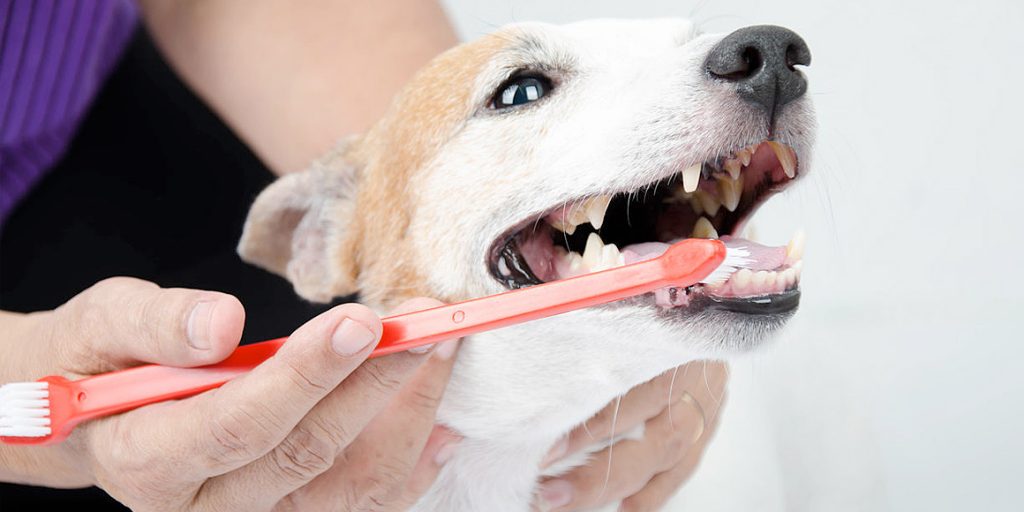
Brushing with pet-specific toothbrushes and toothpaste is the most effective preventive measure. Human toothpaste is strictly prohibited due to fluoride and toxic components. Brushing is recommended daily or at least 3–4 times per week.
2. Dental Toys and Chews
Chew toys and treats help mechanically remove plaque and strengthen gums. Choose certified, safe products appropriate for your pet’s size and breed.
3. Professional Veterinary Cleaning
Periodic professional dental cleaning under anesthesia removes hardened tartar, allows thorough examination, and helps detect hidden issues. It is recommended once a year or more often for senior pets.
4. Dietary Control
Dry food helps reduce plaque formation due to mechanical chewing action and contains nutrients supporting dental health. Sweets and human food accelerate plaque formation and should be avoided.
5. Home Monitoring
Regular home inspection helps detect early warning signs: bad breath, gum bleeding, behavior changes, or food refusal.
Age-Specific Dental Care
- Puppies and Kittens: Monitor teething, bite development, and oral cleanliness.
- Adult Pets: Require regular brushing and preventive veterinary care.
- Senior Pets: Higher risk of dental disease; professional cleaning and dietary adjustments are essential.
Signs of Dental Problems
- Persistent bad breath
- Bleeding gums
- Refusal of hard food
- Behavioral changes
- Excessive drooling or pawing at the mouth
If any of these signs are observed, prompt veterinary consultation is essential.
Additional Tips
- Use dental gels and supplements to strengthen gums
- Train pets for tooth brushing from an early age
- Combine brushing with dental toys and treats
- Keep a dental health log to track procedures and check-ups
Conclusion
Dental and oral health directly affects overall physical health, emotional well-being, and quality of life in pets. Regular hygiene, proper nutrition, dental toys, and professional veterinary care are key preventive measures. Ignoring dental issues can lead to pain, tooth loss, and serious systemic diseases affecting the heart, liver, and kidneys.
Responsible dental care ensures long-term health, vitality, and happiness for your pet.
Sources
American Veterinary Medical Association (AVMA) — Dental Care for Dogs and Cats
https://www.avma.org/resources-tools/pet-owners/petcare/dental-care-dogs-and-cats
VCA Hospitals — Dental Health for Dogs
https://vcahospitals.com/know-your-pet/dental-health-for-dogs
VetStreet — Dental Care for Cats
https://www.vetstreet.com/care/dental-care-for-cats
PetMD — Dental Health Dogs and Cats
https://www.petmd.com/dog/general-health/dental-health-dogs-and-cats
American Veterinary Dental College — Pet Dental Health
https://avdc.org/resources/pet-dental-health