
International pet transportation is a complex logistical process that doesn’t end at the arrival airport, but at the moment of the pet’s full acclimatization. Many owners underestimate the impact of air travel on an animal’s biological rhythms. Jet lag and climate adaptation syndrome in dogs is a real physiological condition that can cause stress, weakened immunity, and the exacerbation of chronic diseases.
In this article, we will break down how this syndrome manifests and what steps to take to make your pet feel at home on a new continent.
What is Jet Lag in Dogs?
Just like humans, dogs have circadian rhythms—internal biological clocks that regulate cycles of sleep, wakefulness, digestion, and hormone production (such as melatonin and cortisol). When a dog crosses several time zones, these rhythms become desynchronized.
Jet lag and climate adaptation syndrome in dogs manifests through the following symptoms:
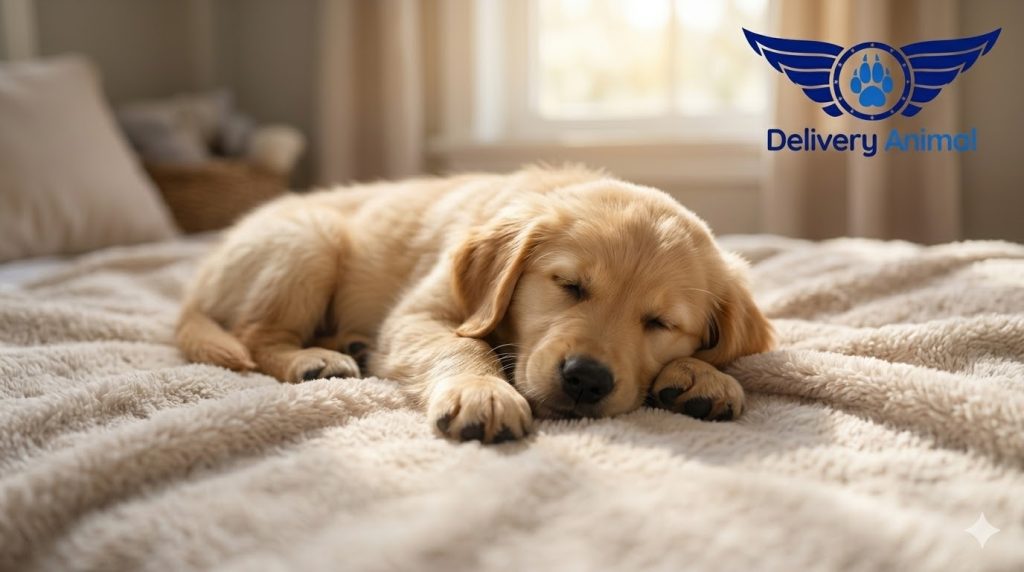
- Sleep cycle disruption (the dog is awake at night and lethargic during the day);
- Eating disorders (refusal to eat or hunger at unusual times);
- Disorientation and increased anxiety;
- Gastrointestinal issues triggered by stress and changes in water quality.
Climate Adaptation: Temperature Shock
Flying from snowy Warsaw to sunny Miami or from cool London to hot Dubai is a massive strain on the thermoregulation system. Dogs cannot sweat through their skin like humans; their primary cooling mechanisms are rapid breathing (panting) and heat dissipation through their paw pads.
If jet lag and climate adaptation syndrome in dogs is complicated by a sharp change in temperature, the risk of heatstroke increases significantly. This is especially true for brachycephalic breeds (bulldogs, pugs), whose anatomy makes efficient cooling difficult. Experts at Delivery Animal always recommend considering seasonality when planning a route.
A Step-by-Step Plan to Help Your Pet
1. Gradual Schedule Correction
Do not try to switch your dog to local time in a single day. If the time difference is more than 5 hours, start shifting the feeding and walking schedule by 15–20 minutes each day starting a week before the flight. After arrival, continue this gentle adaptation.
2. Organizing a “Safe Space”
In the new home, the dog should have its own corner with familiar scents. Use the old bed and toys that were with them during the journey. This minimizes the psychological stress that triggers jet lag and climate adaptation syndrome in dogs.
3. Hydration and Nutrition
A change in water composition often leads to diarrhea. For the first 3–5 days, use bottled water of the same brand used during travel, or filtered water. Do not change the diet for at least two weeks after moving. Stress is not the best time for trying new foods.
4. Pharmacological Support (After Veterinary Consultation)
In some cases, veterinarians recommend melatonin-based supplements or mild herbal sedatives (e.g., “Adaptil”). This helps to gently manage jet lag and climate adaptation syndrome in dogs by normalizing sleep phases.
Expert Opinion: Why Professional Preparation Matters
Animal international logistics specialists emphasize: quality preparation for the flight reduces the intensity of jet lag. According to IATA LAR (Live Animals Regulations) standards, a correctly selected crate and maintaining the temperature regime in the cargo hold are the foundation of an animal’s health.
“We often see owners neglecting the rest period after a flight. For the first 48 hours, the dog must rest. You shouldn’t immediately take them to crowded parks or introduce them to new neighbors,” note Delivery Animal experts.
When Should You See a Vet?
Typically, jet lag and climate adaptation syndrome in dogs resolves within 5–7 days. However, contact a local veterinarian if you notice:
- Complete refusal of water for more than 12 hours;
- Persistent vomiting or diarrhea;
- Severe lethargy, where the dog does not respond to its name;
- Extremely pale or bright red mucous membranes in the mouth.
Conclusion
Moving to another country is the start of a new chapter. To make it a happy one, remember that jet lag and climate adaptation syndrome in dogs requires time and patience. Provide your pet with peace, a familiar diet, and plenty of fresh water.
If you are just planning a relocation, check out our guides on importing animals to different countries to be fully prepared for the journey. Remember: your confidence and calm are passed on to your dog, making their adaptation fast and painless.