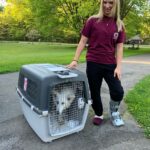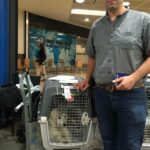

In this article, Delivery Animal experts will break down exactly how dog adaptation after a flight works and what steps must be taken to avoid complications.
Relocating to a new country is a massive milestone that opens a new chapter in your life. However, for your four-legged friend, this process doesn’t begin with a housewarming party, but at the moment they exit their transport crate in an unfamiliar airport. After 15 hours in the air, accompanied by engine noise, vibrations, and pressure drops, an animal’s body is in a state of profound stress.
The task of the owner and logistics specialists is to ensure the softest possible “landing.”
1. The First Hours: The Correct Greeting Algorithm
Immediately upon receiving your dog at the cargo terminal or baggage claim area, it is vital to remain calm. Your emotional state is the primary safety marker for your pet.
- Primary Inspection: Move to a quiet area away from the crowds and check the condition of the mucous membranes, eyes, and paw pads. If the dog appears excessively lethargic or, conversely, shows atypical aggression, this is a direct result of sensory overload.
- Hydration Without Haste: After 15 hours of travel, offer room-temperature water. It is important to provide it in small portions (100–150 ml every 20 minutes) to avoid gastric volvulus (stomach bloat) or vomiting due to stress.
- Hygienic Relief: Allow the dog to spend as much time outside as they need. Sniffing a new territory is a critical cognitive process that helps the animal’s brain “process” the change in location and naturally lowers cortisol levels.
2. Physiological Adaptation: GI Tract and Feeding Regimen
Statistics from veterinary clinics show that dog adaptation after a flight is most often complicated by digestive disorders. The animal’s body is overloaded with stress hormones, which slows down peristalsis and can alter stomach acidity.
- Dietary Stability: During the first week in a new country, it is strictly forbidden to introduce new foods, local treats, or change the brand of food. Use only the exact diet the dog was accustomed to at home.
- Drinking Regimen: The mineral composition of water in a new country can differ radically from what is familiar. To ensure dog adaptation after a flight proceeds without diarrhea, it is recommended to use bottled or filtered water for the first 3–5 days.
- Fractional Feeding: Divide the daily ration into 3–4 smaller meals. This reduces the metabolic load on the liver and pancreas, which are currently working in recovery mode.
3. Acclimatization and Time Zone Shifts
If your flight lasted 15 hours, you likely crossed several time zones. Dogs, like humans, are susceptible to biological “jet lag.”
- Circadian Rhythms: Your pet may ask to go out at 3 AM or refuse food during the new local morning. Do not punish them for this. Gradually shift the schedule of walks and feedings by 15–20 minutes each day until you align with local time.
- Temperature Shock: When moving from a cold climate to a tropical one (e.g., UAE, Spain, or Thailand), dog adaptation after a flight requires special attention to thermoregulation. Shorten sun exposure and monitor the color of the tongue—a bright red or purple tint signals overheating.
4. Psychological Comfort: The “3-3-3 Rule”
Veterinary ethologists often use the “3-3-3 rule” for adjusting to a new home, and it becomes even more relevant after an exhausting long-haul flight:
- The First 3 Days: The dog may feel overwhelmed or shut down. Provide a “safe base”—a quiet corner with their old bed that still carries the scent of your previous home.
- The First 3 Weeks: The animal begins to settle into your new daily routine. During this period, separation anxiety or destructive behavior may surface. Patience is key.
- The First 3 Months: Full adjustment and the establishment of a secure, trusting bond in the new environment.
5. Medical Monitoring and International Standards
According to WSAVA (World Small Animal Veterinary Association) recommendations, it is crucial to rule out hidden threats associated with local specifics after long-distance transport.
- Local Fauna and Parasites: Every country has its endemic diseases. If you have moved to the Mediterranean or the southern United States, study ESCCAP recommendations for protection against heartworm (dirofilariasis) and leishmaniasis. New types of ticks or mosquitoes can be dangerous to an unprimed immune system.
- Veterinary Visit: We recommend a scheduled visit to a local vet 5–7 days after arrival. This is necessary to register the microchip in the local database and adjust the preventative treatment plan against parasites.
Why Professional Pet Shipping Matters
The process we call dog adaptation after a flight is largely determined by the quality of the transportation itself. Using IATA-certified crates, maintaining the correct temperature in the cargo hold, and avoiding unnecessary layovers minimize “travel trauma.”
At Delivery Animal, we build our logistics so that the pet spends minimum energy on the road and maximum energy on quick acclimatization with their family. Remember: your support, calmness, and consistency are the best medicines for a dog during this challenging transition.
Useful Resources for Pet Owners:
- Official WSAVA Website – Global Veterinary Standards
- ESCCAP – Guidelines for Parasite Control
- IATA – Live Animals Regulations (LAR)