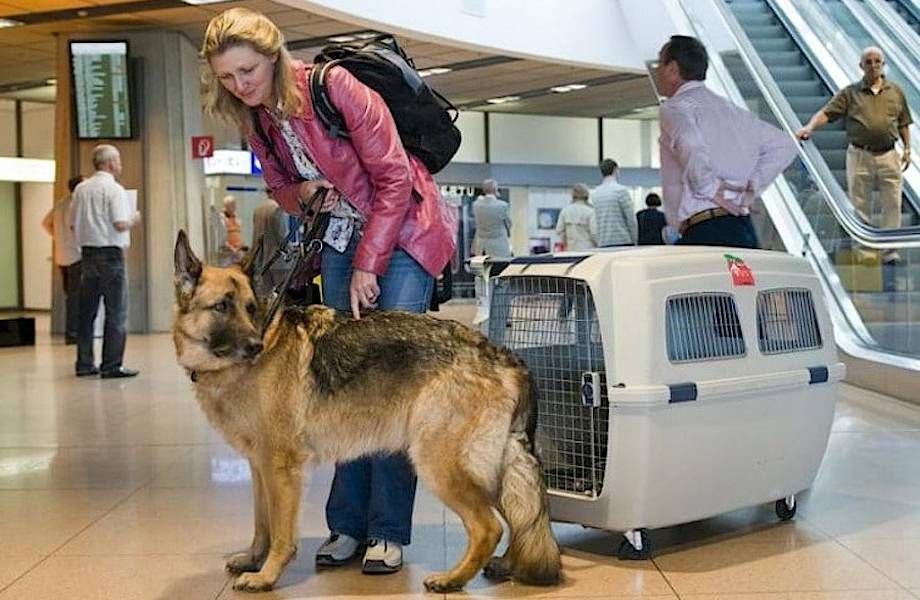

The rules for bringing dogs to Scotland in 2026 are regulated by UK legislation and are mandatory for all owners planning to travel or relocate with a pet. The rules for bringing dogs to Scotland include requirements for microchipping, rabies vaccination, obtaining a veterinary certificate, and tapeworm treatment prior to entry. Failure to comply may result in refusal of entry, quarantine, or additional costs for the owner. That is why it is essential to carefully review the rules in advance and prepare all documents in accordance with official GOV.UK requirements.
Understanding the rules for bringing dogs to Scotland in 2026 is particularly important for travellers arriving from the EU, Ukraine, and other non-listed countries, as documentation requirements may differ depending on origin. While the core rules for bringing dogs to Scotland remain consistent across Great Britain, the type of health certificate and possible rabies blood testing obligations can vary. Owners should verify whether their country is classified as Part 1, Part 2, or non-listed under UK pet travel legislation before making arrangements.
In addition, the rules for bringing dogs to Scotland in 2026 strictly require that the microchip be implanted before rabies vaccination, and the 21-day waiting period must be fully completed prior to travel. Border authorities enforce the rules for bringing dogs to Scotland through document inspection and microchip scanning at approved entry points. Any discrepancy between the recorded microchip number and the accompanying paperwork may lead to delays or quarantine measures.
For those relocating permanently, the rules for bringing dogs to Scotland also apply to long-term moves, not only short visits. Even if the dog previously travelled within the EU, compliance with the updated UK framework is essential. Reviewing the latest official guidance ensures that the rules for bringing dogs to Scotland in 2026 are met in full, reducing stress for both the owner and the animal during border control procedures.

Who the Rules Apply To
These rules apply to:
- Dogs
- Cats
- Ferrets
that are entering Great Britain (including Scotland) from other countries.
Main Requirements: Checklist for Bringing a Dog to Scotland
To bring a dog to Scotland in 2026, you must complete four key steps:
1. Microchip – Mandatory Identification
Your dog must have an ISO-compliant microchip (ISO standards 11784/11785). The microchip must be implanted before the rabies vaccination or on the same day.
2. Rabies Vaccination
After the microchip has been implanted:
- The pet must receive a rabies vaccination.
- At least 21 full days must pass before entering Great Britain (including Scotland).
If the vaccination is administered later or the waiting period is not respected, entry may be refused or quarantine may be required.
3. Entry Document – Required Certificate
The type of document depends on the country of departure:
Pet Passport / EU Animal Health Certificate
If your country issues a pet passport, it may be used for entry.
Great Britain Pet Health Certificate (GBPHC)
For most countries, a Great Britain Pet Health Certificate is required. It must be issued by an authorised veterinarian and is mandatory for entry.
4. Tapeworm Treatment
Dogs must receive tapeworm treatment:
- No less than 24 hours and no more than 120 hours before entering Great Britain.
- The treatment must be recorded in the veterinary documents.
Exceptions: Dogs arriving directly from Finland, Ireland, Norway, or Malta may be subject to different rules.
Documents and Application Process
Which Document Is Required?
Depending on the country of departure:
| Country of Departure | Required Document |
|---|---|
| EU countries and countries issuing pet passports | EU Pet Passport or Animal Health Certificate |
| Other countries | Great Britain Pet Health Certificate |
| Certain countries | Additional rabies blood test requirements may apply |
If your pet passport is still valid, it will be accepted.
If not, you must use a GBPHC.
When to Obtain the Documents
The health certificate must usually be issued within 10 days before entry into Great Britain.
Practical Advice
Start Preparation Early
Preparation takes time:
- Microchipping
- Rabies vaccination
- Certificate issuance
- Tapeworm treatment
Plan at least 1–2 months before your intended travel date.
Double-Check All Details
- The microchip number must match across all documents.
- Do not miss the 21-day waiting period after vaccination.
- Documents must be completed correctly by a veterinarian without errors.
What Happens at the Border
Upon entry into Great Britain (including Scotland):
- The microchip will be scanned.
- All documents will be checked.
- Tapeworm treatment may be verified.
If documents are incorrect or incomplete, the animal may be placed in quarantine or refused entry.
Special Cases
Importing from Ukraine and Other Countries
If you are bringing a pet from Ukraine, Poland, Belarus, or Romania:
- Bringing more than 5 pets is considered a commercial import and requires special authorisation.
- Approval from the Animal and Plant Health Agency (APHA) may be required, and fees may apply.
Commercial or Large-Scale Imports
If more than 5 animals are transported, or if they are not travelling with the owner, a commercial licence and approved importer status will be required.
Conclusion: What Owners Need to Remember
The rules for bringing dogs to Scotland in 2026 remain strict and are fully enforced by UK veterinary authorities. To comply successfully and avoid refusal of entry, owners must ensure their dog is microchipped, vaccinated against rabies, provided with the appropriate veterinary certificate, and treated for tapeworm within the required timeframe. Following each step carefully guarantees that your pet can cross the border without quarantine or unexpected additional expenses.
Official Sources
- GOV.UK — Bringing your pet to Great Britain: rules, certificates, microchipping, rabies, tapeworm requirements
- GOV.UK — Which travel document your pet can use for entry
- GOV.UK — Guidance on bringing pets from Ukraine
- UK Government guidance on tapeworm and microchip requirements
You can find even more useful and informative content on our website.