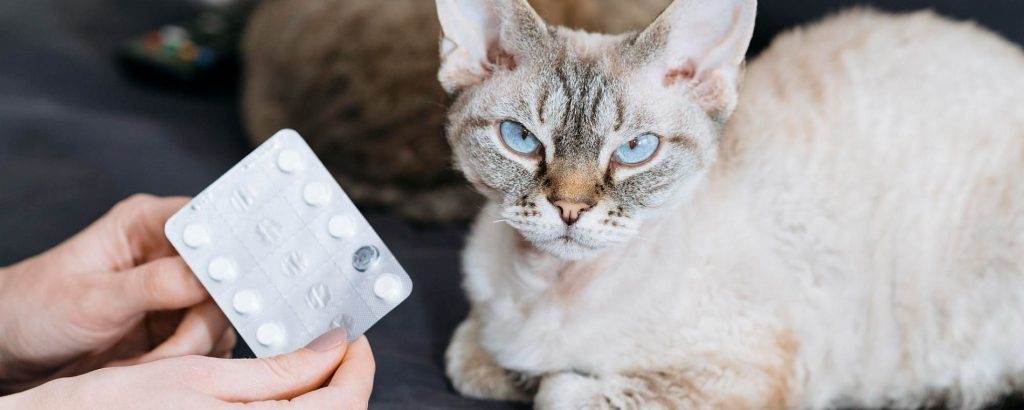

Play is one of the most underestimated yet vital phenomena in the development of domestic animals.
Dogs and cats do not play just “for fun.” Play is a mechanism for learning, emotional release, social development, formation of hunting skills, and even disease prevention. Scientists note that a lack of play activities can lead to depression, anxiety, aggression, and even cognitive decline.
Modern research shows that play affects the animal brain as significantly as training, physical exercise, and interaction with the owner.
Let’s consider why animals need play, which types of play are most beneficial, and how to use play activities correctly to improve the pet’s behavior and health.
🧠 1. Play as a Brain Development Stimulator
Play simultaneously activates several brain areas:
- Limbic system (emotions)
- Hippocampus (memory)
- Cortex (thinking and planning)
- Cerebellum (movement coordination)
This makes play a powerful tool for enhancing cognitive functions.
✦ Play Increases Neuroplasticity
During active play, animals produce substances that improve neuron function:
- BDNF (Brain-Derived Neurotrophic Factor) — responsible for the growth of new neural connections;
- Dopamine — enhances motivation and attention;
- Serotonin — improves mood and reduces anxiety.
Scientists have found that animals that play often complete tasks faster, learn more easily, and demonstrate more stable emotional states.
✦ Stimulation of Hunting Instinct in Cats
Cats are natural hunters.
Play with wands, laser pointers, and toy mice helps activate natural “hunting” sequences:
- Detection
- Pursuit
- Pounce
- Capture
Lack of play often leads to:
- Night activity
- Sudden “jumps” on people
- Aggression toward the owner
Play compensates for the natural hunting need, which improves behavior.
🐕 2. Play as a Way to Socialize Dogs
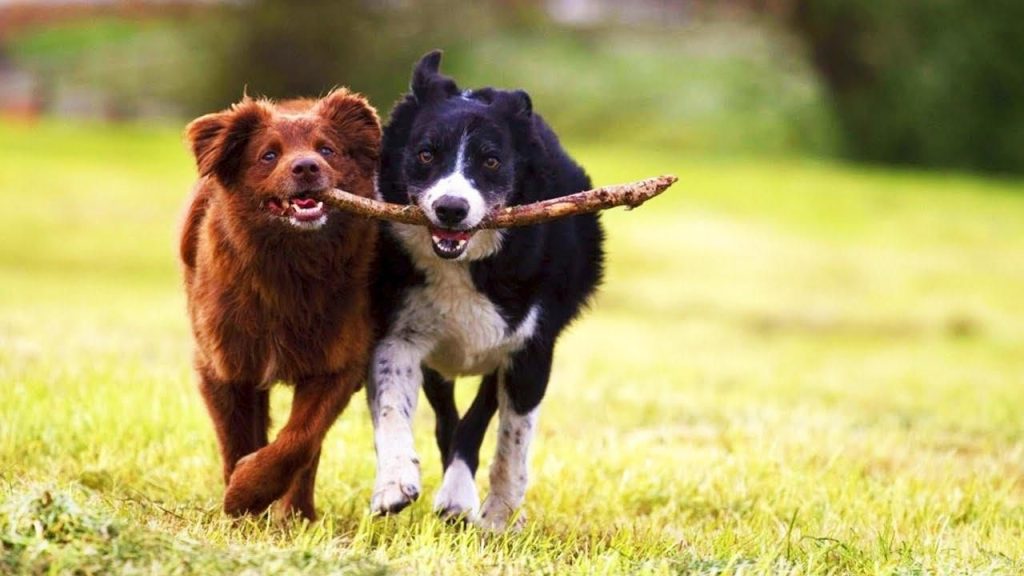
Puppies learn social rules primarily through play:
- Proper biting (jaw strength control)
- Understanding body language
- Judging distance
- Recognizing emotions of other dogs
Play helps develop confidence and reduces fears.
For adult dogs, play rituals help maintain social bonds and predictable behavior.
✦ Play Aggression vs. Real Aggression
Play is not a fight, though it may look similar externally.
Signs of play:
- Relaxed jaw
- Play bows
- Role switching: the chaser becomes the chased
- Short pauses
Dogs that play regularly show real-life aggression less often because they learn to control excitement.
⚡ 3. Physical Activity that Extends Life
Play is a natural form of movement.
For dogs, it may include:
- Running
- Fetch
- Frisbee
- Tug-of-war
For cats:
- Climbing
- Jumping
- Hunting games
- Exercise equipment and tunnels
Play helps:
✔ Reduce obesity risk
✔ Improve heart function
✔ Lower cortisol levels
✔ Strengthen muscles and joints
✔ Enhance metabolism
Scientists have proven that 20–30 minutes of active play acts as an antidepressant for animals, reducing anxiety and improving overall condition.
🧩 4. Mental Games and Environmental Enrichment
Both species need tasks that stimulate thinking:
- Puzzle toys
- Food search mats
- Toys with timers
- “Smart” feeders
- Clicker training
- Scent games
Why is this important?
If an animal is bored, its brain goes into “energy-saving mode,” which leads to:
- Destructive behavior
- Searching for dangerous objects
- Loud meowing
- Compulsive barking
- Separation anxiety
Intellectual games create a safe mental activity that:
✔ Prevents stress
✔ Develops decision-making skills
✔ Improves memory
✔ Corrects behavioral problems
😺 5. Emotional Bond Through Shared Play
Play is a language of love for animals.
Through shared activity, pets:
- Strengthen trust in the owner
- Feel secure
- Receive attention
- Reduce loneliness
Oxytocin — the “love hormone” — increases in both dogs and humans simultaneously during play.
Cats also show attachment through play: if they choose to play with you, it is a sign of deep trust.
⚠️ 6. Dangers of Lack of Play
A lack of play leads to serious consequences:
Dogs:
- Furniture destruction
- Aggression
- Endless barking
- Fears
- Sleep disturbances
- Depression
Cats:
- Obesity
- Psychogenic stress
- Aggression toward the owner
- Nighttime running around the house
- Compulsive licking
- Spraying marks
Play activity is not an “owner’s whim” but a necessity recognized by science.
🎯 7. How Often and How to Play Correctly
Dogs:
- 2–3 active play sessions of 15–20 minutes
- 1–2 mental tasks per day
- At least 1 social play session per week with other dogs
Cats:
- 3–4 short play sessions of 5–10 minutes
- Alternating hunting games
- Mandatory “final prey” (toy or food)
- Environmental enrichment: shelves, houses, tunnels
🔚 Conclusion
Play is not entertainment; it is a fundamental part of a dog’s and cat’s health.
It:
- Improves the brain
- Corrects behavior
- Reduces stress
- Strengthens muscles
- Forms emotional bonds
If play becomes part of the daily routine, the animal lives longer, calmer, and happier.
📚 OFFICIAL SOURCES
- American Veterinary Medical Association — Animal Behavior and Play
- Journal of Veterinary Behavior — The role of play in animal development
- National Institutes of Health (NIH) — Physical activity and cognitive function
- Panksepp, J. — Affective Neuroscience: The Foundations of Human and Animal Emotions
- Feline Environmental Needs Guidelines – AAFP
- Canine cognition studies — Harvard University