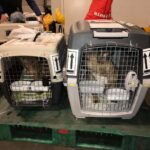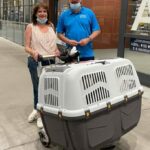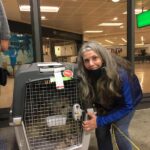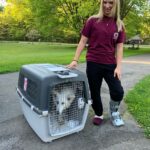

In this article, we will analyze the issue from a zoopsychological point of view: how to stop blaming yourself, how to prepare your pet, and why pet cargo shipping is often a more humane choice than traveling in the cabin.
Shipping a beloved pet to another city or country is always stressful—not just for the animal, but for the owner as well. The hardest part isn’t gathering the paperwork; it’s the gnawing sense of guilt. We often feel like we are “abandoning” our friend in a dark luggage compartment, when in reality, it is a high-tech process strictly governed by IATA (LAR) aviation regulations.
The Psychology of Guilt: Why Do We Feel This Way?
Guilt stems from anthropomorphism—attributing human emotions to animals. Owners often imagine themselves in the pet’s crate, thinking: “I would be scared, lonely, and cold.”
However, zoopsychologists emphasize that dogs and cats do not perceive the concept of “betrayal.” They live in the “here and now.” For them, a flight is not an exile, but a temporary discomfort comparable to a visit to the veterinarian. Your job as a responsible owner is not to suffer, but to ensure safety. This is exactly where pet cargo shipping excels, guaranteeing compliance with technical protocols that are impossible to implement in a passenger cabin.
Why Cargo Is a Professional Solution, Not Just “Luggage”
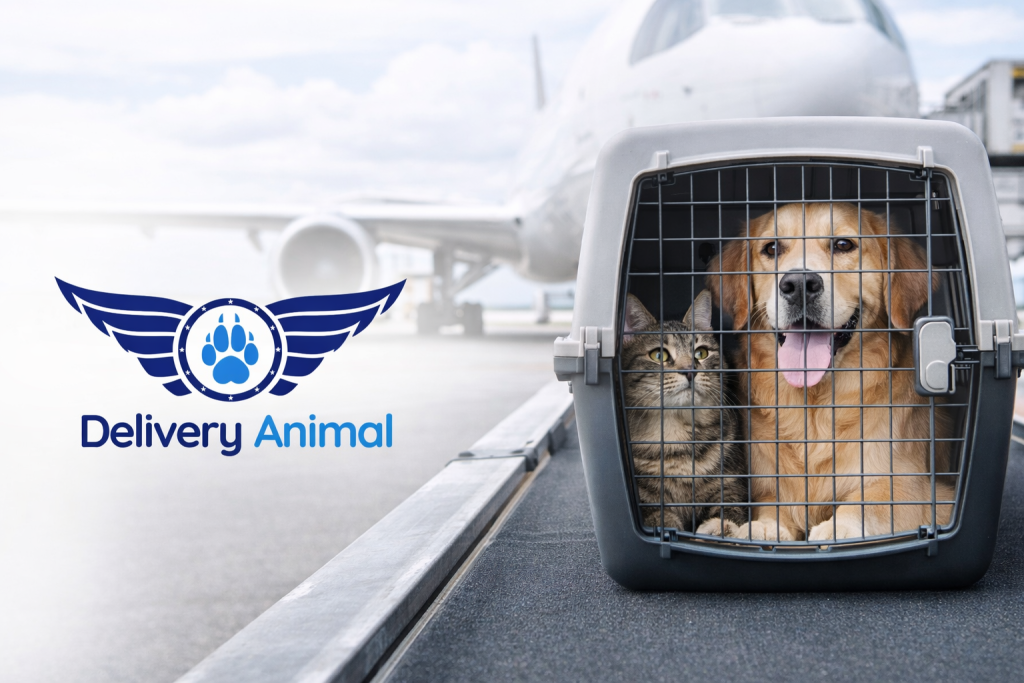
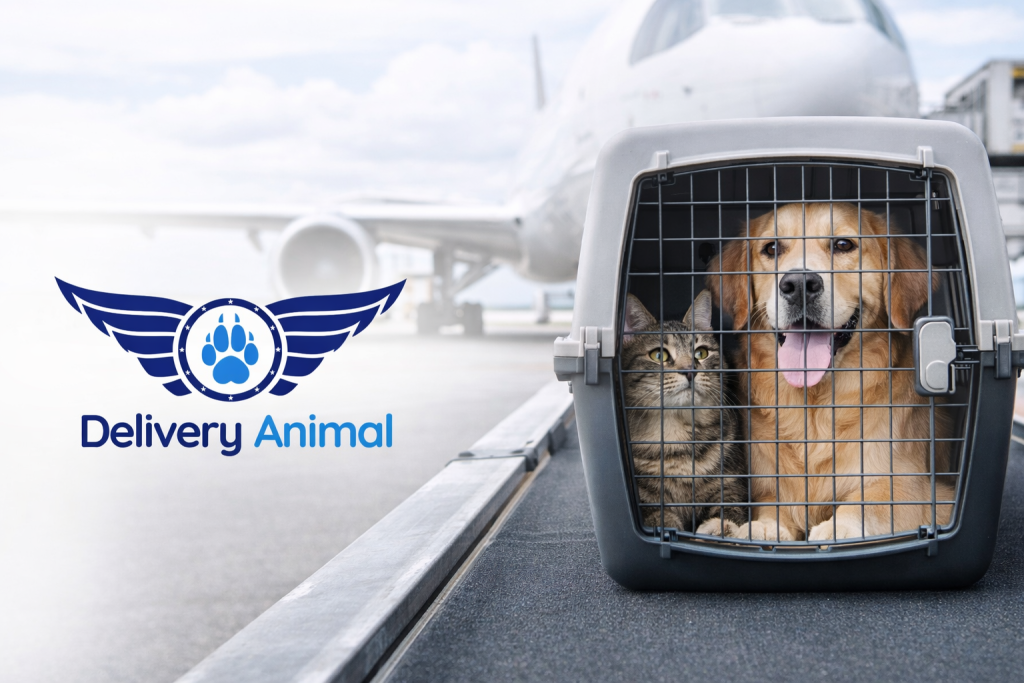
Many people confuse standard luggage with the “Live Animals” (AVI) option. In modern aircraft, the cargo hold for animals is a pressurized, climate-controlled compartment with the same temperature and oxygen levels as the cabin.
- Environmental Stability: Unlike the cabin, where people are constantly moving, children may be loud, and flight attendants move carts, the cargo hold is dark and quiet. For most animals, darkness is a signal to rest and sleep.
- Professional Oversight: AVI shipments are the last to be loaded and the first to be unloaded. Pilots always receive a notification about live cargo on board to ensure the optimal temperature is maintained throughout the flight.
- Crate Safety: Requirements for cargo crates are much stricter than those for the cabin. This eliminates the risk of escape or injury during turbulence.
5 Tips from a Zoopsychologist: Overcoming Separation and Helping Your Pet
To minimize stress and eliminate guilt, focus on high-quality preparation.
- Crate Training (Denning Instinct) The crate should become a “safe haven” for the animal, not a prison. Begin training 2–4 weeks before the flight. Feed your pet inside the crate and place their favorite toys there. According to zoopsychological principles, if an animal perceives the crate as its den, cortisol levels (the stress hormone) will be significantly lower during the flight.
- Avoid Sedatives Experts from the International Air Transport Association (IATA) and veterinarians strongly advise against using heavy sedatives before a flight. They can cause respiratory issues and coordination problems during pressure changes. A better alternative is pheromones (such as Feliway or Adaptil), which gently soothe the nervous system.
- Familiar Scents Place a t-shirt you have recently worn inside the crate. An owner’s scent is the most powerful safety trigger for a dog or cat, significantly reducing anxiety in an unfamiliar environment.
- Focus on the Result Remind yourself: you are doing this for your future reunion. Relocation is an investment in your life together in a new place. The short-term discomfort of a flight is incomparable to years of happiness in a new country.
- Trust the Professionals If your fear is overwhelming, professional pet cargo shipping through verified agents can help lift the burden of responsibility. Specialists understand the nuances of transfers, airport boarding (Animal Lounges), and veterinary checks.
Technical Aspects: What Every Owner Should Know
For those worried about their pet’s physical well-being, it is vital to study the regulations of the Ministry of Agricultureor the relevant authorities in the destination country (e.g., France or the USA). Knowing that all documents are in order and that microchipping and vaccination requirements are met provides a sense of control.
Key Safety Factors:
- Ventilation: The crate must have air access from three or four sides.
- Size: The animal must be able to stand up, turn around, and lie down in a natural position.
- Hydration: A water bowl attached to the door that can be refilled from the outside is mandatory.
Conclusion
Guilt is the flip side of your love. However, it is important to remember that pet cargo shipping is the gold standard of international logistics today. Hundreds of pets cross oceans every day to meet their owners.
Your pet won’t remember the hours spent on the plane the way you will. They will only remember the joy of meeting you at the arrivals terminal. Stay calm—your peace of mind is transmitted to your furry friend.
DeliveryAnimal.com advocates for responsible pet ownership and supports the distribution of verified expert information.