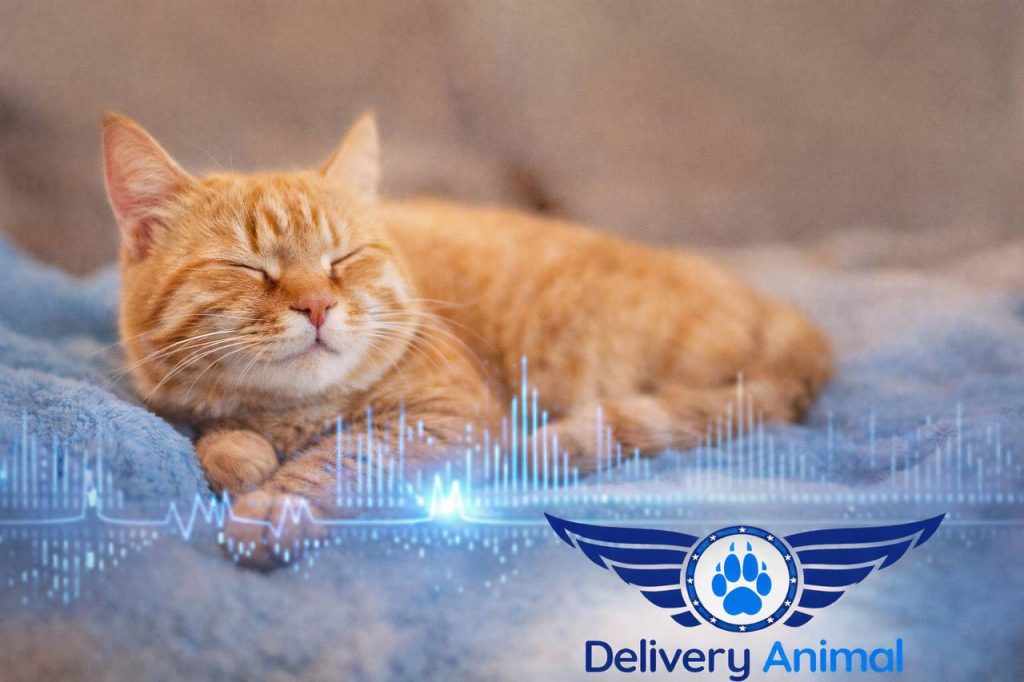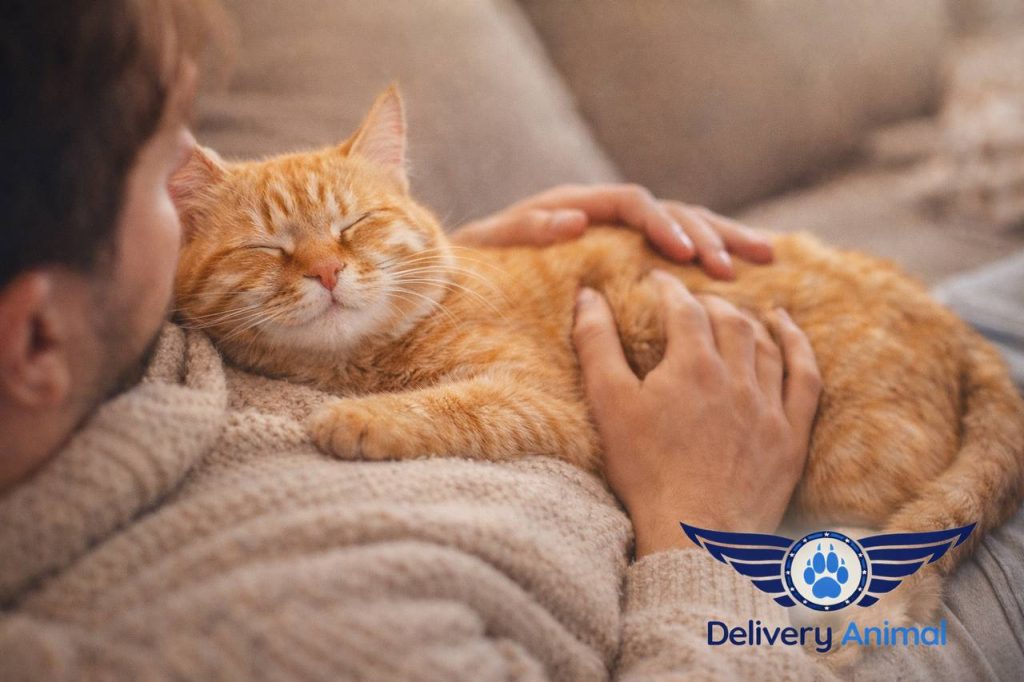

Cats are among the most popular pets in the world. Many owners have noticed that when a cat lies nearby and begins to purr, a person feels calm, relaxed, and sometimes even experiences a reduction in pain. But can a cat’s purring really have a healing effect?
Modern research in veterinary science, biophysics, and medicine suggests that the vibrations created by a cat’s purring may indeed have a physiological impact on the human body.
In this article, we will explore how a cat’s purring affects human health, what frequencies cats produce, and why these vibrations are considered beneficial.
What Is Cat Purring and How Does It Occur
Purring is a vibrating sound produced by the rhythmic contraction of the muscles in a cat’s larynx and diaphragm. These muscles cause the vocal cords to vibrate during both inhalation and exhalation.
As a result, a distinctive sound and vibration are created that humans can not only hear but also physically feel.
According to scientific studies, the frequency of cat purring usually ranges from 25 to 150 Hz.
This frequency range has attracted the attention of scientists because similar vibrations are used in medical physiotherapy.
Purring Frequencies and Their Effects on the Body
Therapeutic Vibration Range
Research shows that a cat’s purring occurs within the 25–150 Hz range, which is also used in medicine to support tissue and bone recovery.
Some key frequencies include:
- 25–50 Hz — stimulate bone growth
- 50–100 Hz — help heal muscles and tendons
- 100–150 Hz — reduce pain and inflammation
Similar frequencies are used in vibration therapy to treat fractures and support tissue regeneration.
Because of this, scientists suggest that purring may be a natural self-healing mechanism in cats.
How Cat Purring May Help Humans
Stress and Anxiety Reduction
Contact with a purring cat can stimulate the production of oxytocin, a hormone associated with calmness and emotional bonding.
This can lead to:
- reduced levels of the stress hormone cortisol
- relaxation of the nervous system
- improved emotional well-being
Studies indicate that the sound and vibration of purring may help calm the nervous system and reduce anxiety.
Lower Blood Pressure
Interaction with a cat can slow the heart rate and reduce blood pressure.
This effect is linked to the activation of the parasympathetic nervous system, which is responsible for relaxation and recovery in the body.
Some studies suggest that cat owners may have a lower risk of cardiovascular diseases, partly due to reduced stress levels.
Faster Tissue Recovery
The vibrations produced by purring may stimulate recovery processes in the body.
Research suggests these frequencies can:
- promote bone growth
- improve muscle regeneration
- reduce inflammation
- accelerate wound healing
These effects have also been observed in studies on low-frequency vibration therapy.
Why Cats Recover Quickly From Injuries
An Evolutionary Self-Healing Mechanism
Some researchers believe that purring functions as an evolutionary self-healing mechanism in cats.
For example, biologist Elizabeth von Muggenthaler discovered that many members of the feline family produce vibrations between 25 and 150 Hz, the same range used in medical therapies for bone fractures and tissue damage.
This may explain:
- why cats often recover quickly from injuries
- the relatively low rate of bone diseases in cats
- their ability to maintain strong musculoskeletal health.
Psychological Benefits of Cats for Humans
Emotional Support Effect
In addition to physical effects, cats provide significant psychological benefits.
Purring and interaction with a cat can:
- reduce symptoms of depression
- decrease feelings of loneliness
- improve mood
- help people cope with stress and anxiety
Animal companionship is widely used in animal-assisted therapy, a therapeutic approach that helps support mental and emotional well-being.
Conclusions
Analysis of scientific research suggests that cat purring may offer several potential health benefits for humans.
Key conclusions include:
- Cats purr at frequencies between 25 and 150 Hz, which correspond to therapeutic vibration frequencies used in medicine.
- These vibrations may help support tissue healing, reduce inflammation, and improve bone health.
- Interaction with a purring cat can reduce stress, lower blood pressure, and improve emotional well-being.
- Purring may function as a natural self-recovery mechanism in cats that can also benefit humans.
Therefore, cats are not only beloved pets but may also act as natural sources of therapeutic vibrations, supporting both physical and emotional health.
Sources
- Journal of the Acoustical Society of America
- National Center for Biotechnology Information
- Inspira Health Network
- American Veterinary Medical Association
If you are planning to move or travel with your pet, specialists from Delivery Animal can help organize safe international pet transportation.