
Preparing a dog for a flight is a structured process that involves complying with international veterinary regulations, airline policies, and IATA safety standards. Failure to meet official requirements may result in boarding refusal, quarantine, or customs delays.
Delivery Animal supports pet owners at every stage of international pet relocation, relying strictly on official regulations from the International Air Transport Association (IATA), Centers for Disease Control and Prevention (CDC), USDA APHIS, and the European Commission.
Why Preparing a Dog for a Flight Must Start Early
Professional preparing a dog for a flight should begin at least 6–8 weeks before departure. Many countries require specific vaccination timelines and health documentation that cannot be completed last minute.
Early planning allows time for:
- Microchipping
- Rabies vaccination
- Blood tests (if required)
- Issuance of international health certificates
- Airline pet reservation approval
According to the European Commission, pets entering EU countries must be microchipped before rabies vaccination and must carry valid veterinary documentation.
Source: European Commission – Traveling with pets (europa.eu)
For entry into the United States, CDC regulations require submission of the CDC Dog Import Form and compliance with rabies control rules depending on the country of origin.
Source: Centers for Disease Control and Prevention (cdc.gov)
Therefore, preparing a dog for a flight without verifying destination-country regulations can create serious legal and logistical complications.
Veterinary Requirements When Preparing a Dog for a Flight
Veterinary compliance is the foundation of preparing a dog for a flight. Core requirements usually include:
- ISO-standard microchip
- Valid rabies vaccination administered after microchipping
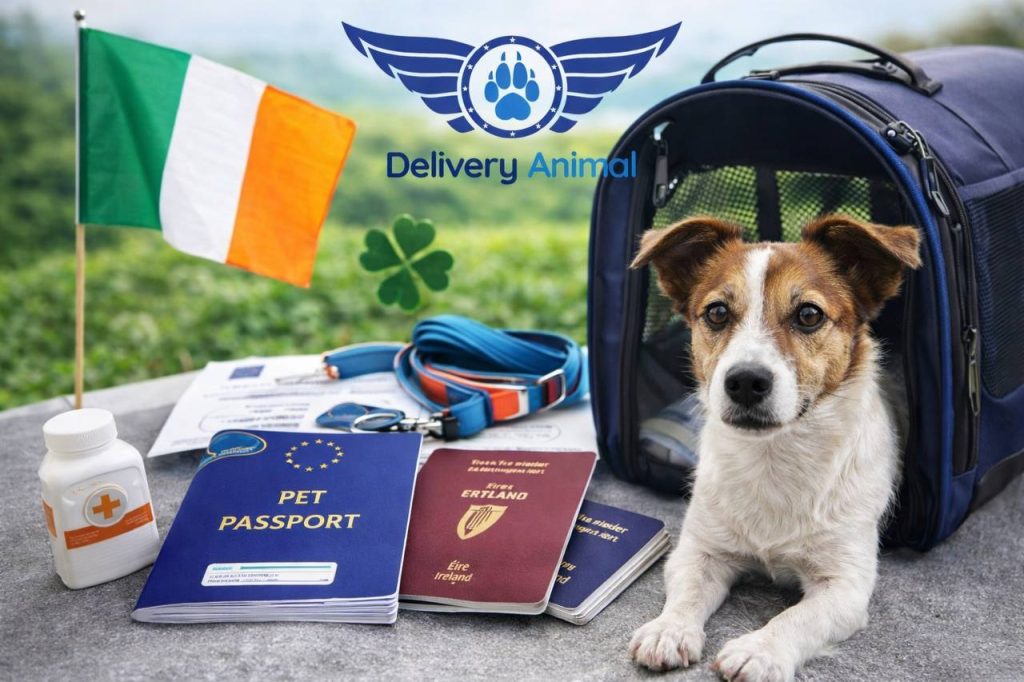
- Official veterinary passport or health certificate
- Government-endorsed export certificate (if applicable)
- Additional laboratory testing for high-risk destinations
USDA APHIS recommends consulting an accredited veterinarian to issue internationally recognized export certificates.
Source: USDA APHIS Pet Travel (aphis.usda.gov)
Each country may impose additional rules such as parasite treatments or waiting periods after vaccination. Professional guidance ensures full compliance.
Choosing an IATA-Compliant Crate
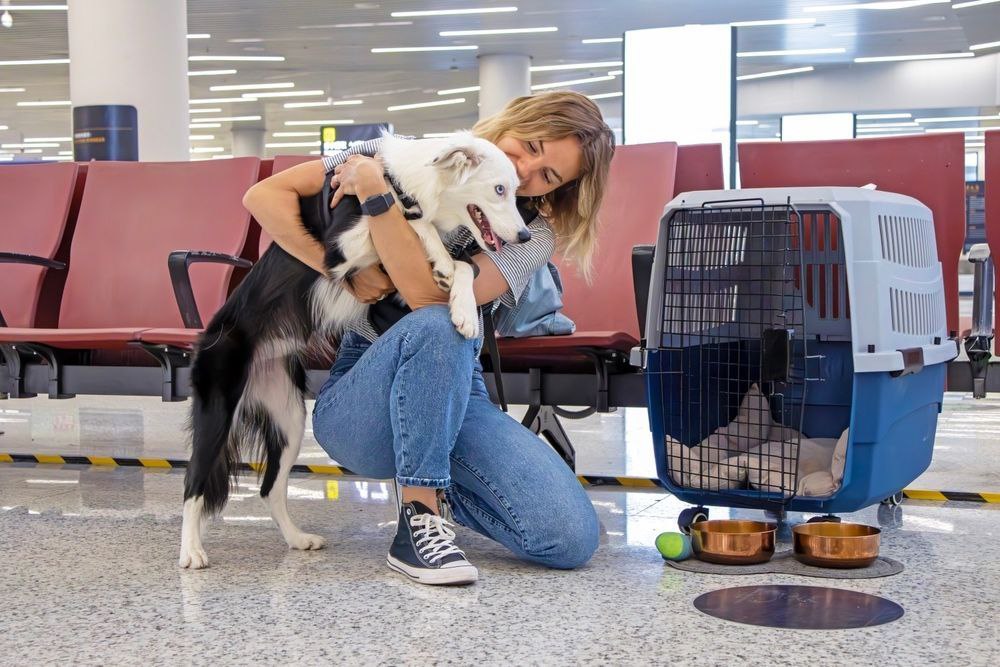
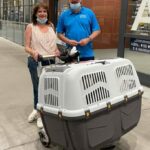
Crate selection is a critical step in preparing a dog for a flight. Airlines follow the IATA Live Animals Regulations (LAR) to ensure animal safety during air transport.
Preparing a Dog for Cabin Travel
Small dogs may travel in the aircraft cabin if airline weight and size limits are met. The carrier must:
- Fit under the seat
- Provide sufficient ventilation
- Allow the dog to stand, turn, and lie comfortably
- Be leak-proof and secure
Airline approval is mandatory prior to departure.
Preparing a Dog for Cargo Transport
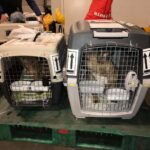
If the dog travels in the cargo hold, the crate must strictly comply with IATA standards:
- Rigid plastic or fiberglass structure
- Metal door with secure locking system
- Ventilation openings on at least three sides
- Absorbent bedding material
- “Live Animal” labeling
- Water container accessible from outside
Source: International Air Transport Association – Live Animals Regulations (iata.org)
Non-compliant crates are one of the most common reasons for transportation refusal.
Behavioral and Psychological Preparation
In addition to documentation and equipment, preparing a dog for a flight requires behavioral conditioning.
Veterinary professionals recommend:
- Introducing the crate 2–3 weeks before departure
- Gradually increasing crate time
- Using positive reinforcement
- Conducting short practice trips
IATA and many airlines advise against sedatives unless prescribed by a veterinarian due to potential respiratory risks at altitude.
A calm dog significantly reduces travel stress and improves safety during loading and unloading procedures.
Final Checklist: Preparing a Dog for a Flight on Departure Day
On the day of travel:
- Feed lightly 4–6 hours before departure
- Provide water access
- Attach identification labels to the crate
- Keep original veterinary documents in hand luggage
- Arrive at the airport early
Owners should remain calm. Dogs are highly sensitive to emotional cues and may react to anxiety.
Common Mistakes When Preparing a Dog for a Flight
Even experienced pet owners can make critical errors:
- Starting preparation too late
- Using non-IATA-compliant crates
- Ignoring airline-specific policies
- Failing to reserve pet space in advance
- Misunderstanding country import rules
Comprehensive preparing a dog for a flight minimizes these risks and ensures smooth transportation.
Why Trust Professionals for Preparing a Dog for a Flight
Delivery Animal provides:
- Destination requirement verification
- IATA-compliant crate selection
- Veterinary documentation support
- Airline coordination
- End-to-end transport assistance
Professional preparing a dog for a flight reduces the likelihood of customs delays, denied boarding, or quarantine.
Conclusion
Preparing a dog for a flight is a legally regulated and medically supervised process. It requires strict adherence to international veterinary standards, proper documentation, and IATA-approved transportation equipment. By following official guidance from IATA, CDC, USDA, and the European Commission, pet owners can ensure safe, compliant, and stress-free air travel.
You can find even more useful and informative information on our website.