
Introduction: What This Article Is About
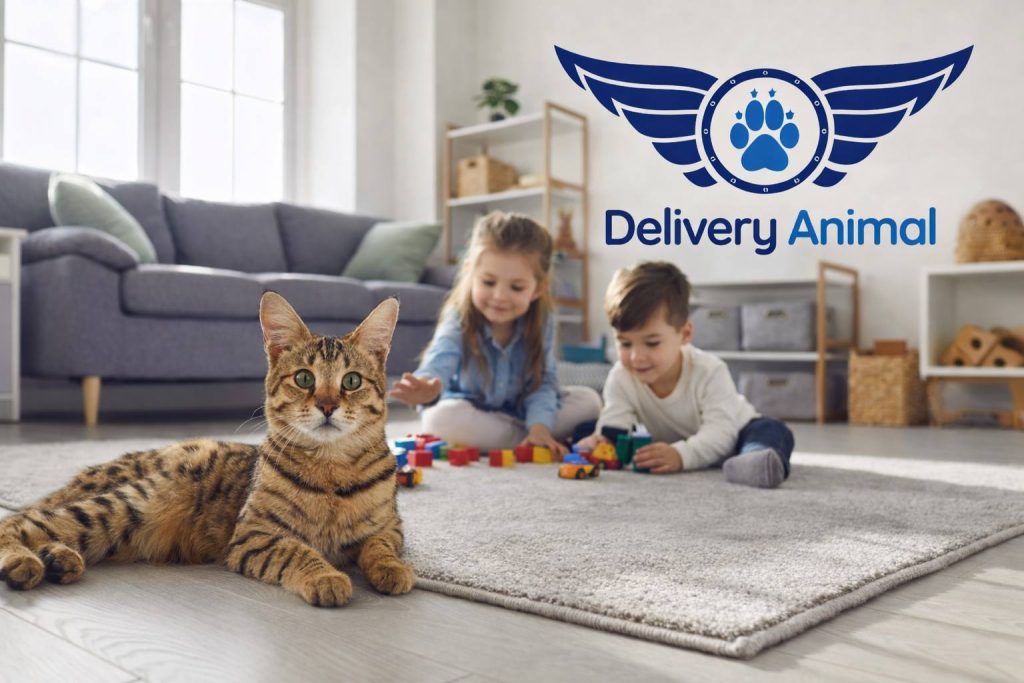
Savannah in a home with children — a dream or a potential problem? Many parents are fascinated by the appearance of this exotic cat and wonder whether a Savannah is safe for a child. However, Savannah in a home with children is not just about owning a beautiful pet — it is a serious responsibility that requires preparation and a clear understanding of the breed’s characteristics.
Before deciding to keep a Savannah, it is important to understand whether Savannah in a home with children fits your family’s lifestyle and the child’s age. Their active temperament, high energy level, and strong hunting instincts make the question “Is Savannah in a home with children appropriate?” especially relevant.
In this article, we will examine whether Savannah in a home with children is safe, whether it is worth keeping a Savannah in a family with kids, and which important factors must not be ignored when a child lives in the house.
More and more parents are asking whether Savannah in a home with children is possible without safety risks. The exotic appearance is attractive, but Savannah in a home with children requires thorough preparation and proper training of the animal.
Brief Overview of Servals and Savannah Cats
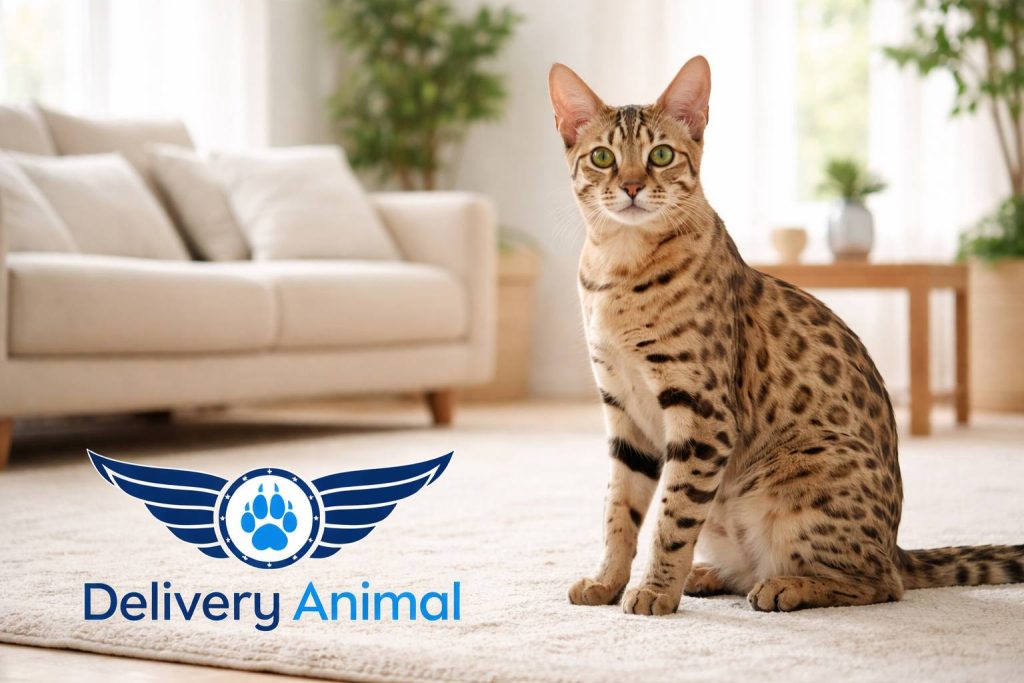
The serval (Leptailurus serval) is a wild predator from the cat family native to African savannas and wetlands. It is not a domestic breed and retains strong hunting instincts: powerful legs, long limbs, sharp teeth and claws, a need for large territory, and natural prey behavior.
The Savannah cat is a hybrid breed created by crossing a serval with a domestic cat. Depending on the generation (F1–F5 and beyond), the percentage of “wild blood” and behavior can vary significantly.
Law and Regulations — Can You Keep a Serval or Savannah at Home?
International Regulation and Protection
The serval is listed in Appendix II of CITES, meaning international trade is regulated. This imposes restrictions on cross-border transport and requires proper documentation for import and export. This is important if purchasing from another country or transporting the animal.
Regional and National Restrictions
Rules regarding serval ownership and early-generation Savannah cats vary widely by country, region, and even municipality. In many jurisdictions, keeping a wild serval in a private home is prohibited or requires special permits, enclosures, and veterinary supervision. Therefore, always check local laws and veterinary regulations before making a decision.
Risks for Children and Family
Physical Safety
A serval is a wild, not fully domesticated animal and can cause serious injuries during play or territorial defense — including deep scratches and bites. Young children may not understand feline warning signals and may unintentionally provoke aggression. Rescue centers and animal welfare cases confirm such risks.
Health and Zoonotic Diseases
Keeping wild or exotic animals increases the risk of zoonotic disease transmission. Publications on exotic pets emphasize the potential for rare or emerging infections and the need for professional veterinary supervision. These risks are especially serious for children under five years old.
Psychological and Behavioral Risks
Servals are not adapted to confined apartment living. Stress can lead to aggression, depression, and unstable behavior. Strong hunting instincts may manifest in “play” behavior toward small animals or children’s toys, which can be dangerous.
Care and Practical Challenges in a Home with Children
Space and Environment
Servals require significantly more space and physical activity than a typical domestic cat — vertical structures for jumping, large territory, and opportunities to express natural hunting behavior. Providing such conditions in a standard apartment is extremely difficult.
Diet and Veterinary Care
They require a specialized diet (high animal protein, sometimes raw or whole prey), regular check-ups with exotic animal specialists, and expensive veterinary services. Financial limitations can lead to inadequate care, which is unsafe for both the animal and the family.
How to Organize Safety (If Ownership Is Still Considered)
- Strict separation zones: child and animal in separate areas
- Secure enclosures and barriers preventing unsupervised contact
- Continuous veterinary supervision, vaccinations, and pathogen testing
- Teaching children proper behavior and restricting contact for younger children
Even with these measures, the risk remains significant.
Alternatives (Expert Recommendations)
- Consider later-generation Savannah cats (F4–F5 and beyond), which are generally better adapted to domestic life
- Adopt an adult domestic cat with a known behavioral history
- Visit accredited zoos or specialized centers where children can interact with exotic animals under professional supervision
Conclusions (Expert Summary)
A serval is not a suitable domestic pet for families with children. Natural instincts and environmental needs create a high risk of injuries, disease, and reduced welfare for the animal.
Legal regulations vary, and even where permitted, ownership requires strict compliance (permits, enclosures, veterinary oversight). Informal ownership is often illegal.
Child safety must always come first. Medical authorities warn about zoonotic disease risks.
Recommendation: Do not keep a serval in a home with children. If you desire an “exotic” feline experience, choose legal, socialized later-generation breeds or visit certified wildlife facilities instead.
FAQ — Frequently Asked Questions About Servals, Savannah Cats, and Children
Can you keep a serval in a home with children?
No. Wildlife and veterinary authorities do not recommend keeping servals in homes with children due to injury and disease risks.
What is the difference between a serval and a Savannah?
A serval is a wild African cat; a Savannah is a hybrid domestic breed. Earlier generations (F1–F3) are more challenging and exhibit stronger wild traits.
What are the main risks of keeping a serval or Savannah with children?
- Physical injuries (scratches, bites)
- Zoonotic disease transmission
- Behavioral stress issues
- High space and care requirements
Are special permits required?
In many countries, yes. Servals and early-generation hybrids often require permits, veterinary certificates, and proper enclosures.
Can servals or Savannah cats be vaccinated like domestic cats?
Partially. They require specialized veterinary care and adapted vaccination protocols.
Which Savannah generations are safer for families?
Later generations (F4 and beyond) are generally more domesticated, but still require strict supervision.
Are servals or Savannahs suitable for beginners?
No. They require advanced knowledge, specialized care, and proper facilities.
Can contact with a serval benefit children?
No. Direct home contact is not recommended. Controlled environments such as accredited facilities are safer alternatives.
Where can children safely see a serval?
In licensed zoological centers, accredited wildlife facilities, or supervised educational programs.
Official Sources Used
- Risk assessments and ownership recommendations — WWF / Responsible Pet Guide
- Taxonomy and conservation status — CITES (Appendix II)
- Zoonotic disease research — CDC / Emerging Infectious Diseases
- Government risk assessment documents (Quee nsland, Australia)
For more useful and educational information, visit our website.