
Many owners ask how to stop a puppy from biting hands safely and effectively.
Puppies bite hands — and this is completely natural. However, it is important for an owner to understand in time how to stop a puppy from biting hands so the behavior does not become reinforced in adulthood. This is especially important for families with children and for those planning international dog transportation, where proper behavior is an essential element of safe travel.
In this article, we rely exclusively on official recommendations from veterinary and canine organizations (AVMA, RSPCA, The Kennel Club, American Kennel Club) and clearly explain what owners should do.
Why Does a Puppy Bite Hands?
1. Play Behavior
According to the American Veterinary Medical Association (AVMA), puppies explore the world through their mouths. During play with littermates, they learn to control bite pressure — this is known as bite inhibition.
2. Teething
According to the American Kennel Club (AKC), puppies between 3–6 months of age go through active teething, which causes discomfort and increases the need to chew.
3. Overtiredness or Overstimulation
The RSPCA (Royal Society for the Prevention of Cruelty to Animals) notes that excessive activity or lack of sleep can increase impulsive behaviors, including biting.
Conclusion: Biting is not “aggression” — it is a developmental stage. However, it must be properly corrected.
How to Stop a Puppy from Biting Hands: Proven Methods
1. Teaching Bite Inhibition
When a puppy bites too hard, it is important to:
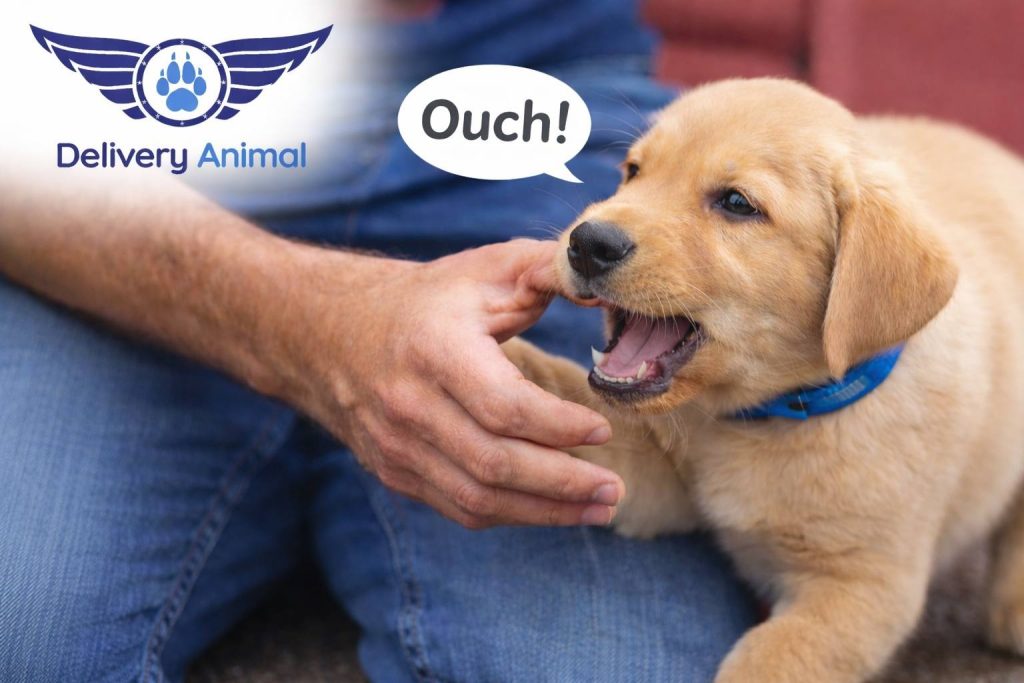
- Say “Ouch!” sharply or make a short high-pitched sound
- Immediately stop play for 10–20 seconds
- Turn away and ignore the puppy
According to AVMA, this is how puppies naturally learn boundaries of acceptable bite pressure from their littermates.
Important
Do not yell, hit, or push the puppy — physical punishment increases anxiety and may trigger aggression.
2. Redirecting to Toys
One of the most effective methods is replacing your hands with a toy.
AKC recommendations:
- Keep a toy nearby during play
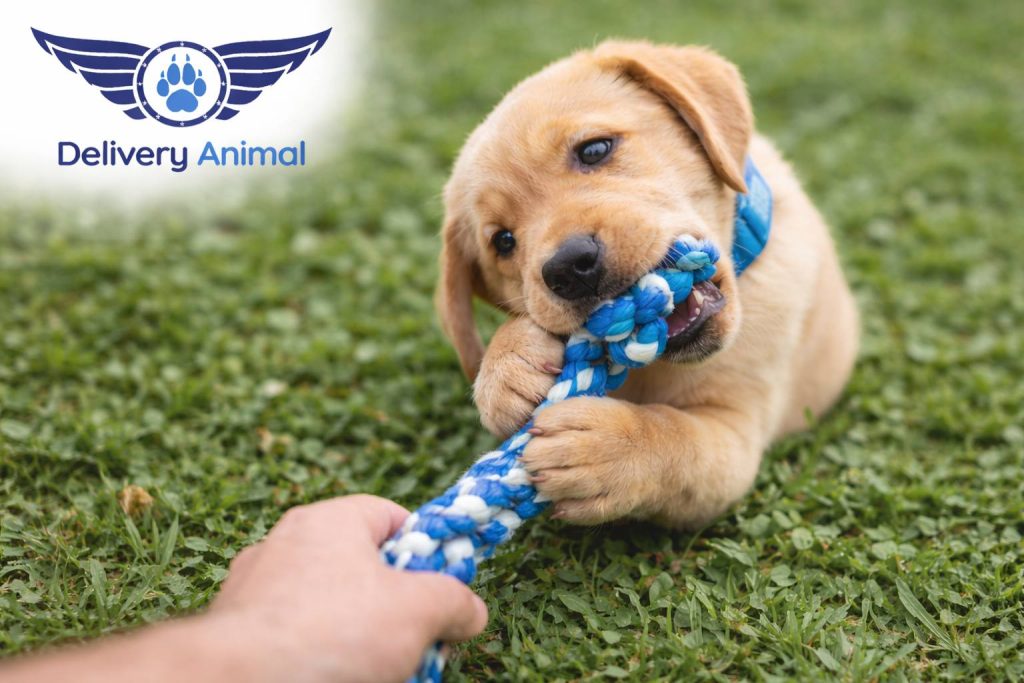
- As soon as the puppy reaches for your hand, offer a rope toy or teething toy
- Praise the correct choice
This builds a clear association: “You can bite toys, not people.”
3. Time-Out for Repeated Behavior
If the puppy continues biting:
- Calmly stop interaction
- Leave the room or place the puppy in a safe space for 30–60 seconds
The Kennel Club (UK) confirms that short removal of attention is an effective and humane correction method.
4. Providing Adequate Physical and Mental Stimulation
Lack of activity increases unwanted behavior.
According to RSPCA, puppies need:
- Regular short walks (age-appropriate)
- Training games
- Chew toys
- Proper sleep schedule (up to 18–20 hours per day in early months)
Understanding how to stop a puppy from biting hands requires consistency and early training.
Conclusion: A tired and mentally stimulated puppy bites significantly less.
What Not to Do
Prohibited Methods
According to official AVMA and RSPCA guidelines:
- ❌ Do not hit the muzzle
- ❌ Do not pin the puppy to the floor
- ❌ Do not use “dominance” techniques
- ❌ Do not provoke active play with your hands
- ❌ Do not use physical punishment
Such methods increase stress levels and may lead to aggressive behavior in adulthood.
When Should You Consult a Specialist?
If the puppy:
- Growls during interaction
- Guards toys or food
- Shows excessive reactivity
You should consult a certified dog trainer or veterinary behaviorist.
AVMA emphasizes that early behavioral correction reduces the risk of developing problem aggression later in life.
Why Is It Important Before International Transportation?
For dog transportation companies, behavioral stability is critical.
During air travel, veterinary inspection, and contact with staff, a dog must be:
- Manageable
- Calm
- Free from biting behavior
Companies specializing in international dog transportation recommend starting basic behavior correction before 6 months of age to ease adaptation during travel.
7-Day Step-by-Step Plan
- Eliminate hand play
- Always keep a toy nearby
- Ensure consistent reactions from all family members
- Use time-outs
- Maintain a proper sleep schedule
- Add short training sessions
- Reward calm behavior
Consistency is the key to success.
FAQ Block
How can I quickly stop my puppy from biting hands?
Consistently stop play when biting occurs, redirect to toys, and reward calm behavior. Physical punishment is not recommended.
At what age do puppies stop biting?
Active biting related to teething usually decreases around 6–7 months with proper training.
Should I punish my puppy for biting?
No. According to AVMA and RSPCA, physical punishment increases anxiety and may cause aggression.
Can biting be a sign of aggression?
In most cases, no. It is a developmental stage. However, if growling or resource guarding is present, consult a specialist.
Expert Insight
According to AVMA, AKC, and RSPCA, early socialization and consistency are the foundation of successful behavior correction. Owners who begin training before 4–5 months significantly reduce the risk of behavioral issues in adulthood.
For international dog transportation companies, behavioral stability is essential. A puppy trained in bite inhibition adapts more easily to travel stress and staff interaction.
Conclusion
Hand biting is a natural developmental stage, but with the right approach, behavior can be corrected quickly and humanely. Official veterinary and canine organizations agree that:
✔ Teaching bite inhibition
✔ Redirecting to toys
✔ Ignoring unwanted behavior
✔ Providing adequate stimulation
— are safe and scientifically supported methods.
Early training builds emotional stability, improves socialization, and makes international dog transportation safer for both the pet and those around them.
If you are wondering how to stop a puppy from biting hands, start training early and remain consistent.
Official Sources:
- American Veterinary Medical Association (AVMA) – Puppy Biting and Bite Inhibition
https://www.avma.org - American Kennel Club (AKC) – How to Stop Puppy Biting
https://www.akc.org - RSPCA – Puppy Training and Behaviour Advice
https://www.rspca.org.uk - The Kennel Club (UK) – Puppy Behaviour and Training
https://www.thekennelclub.org.uk
You can find even more useful and informative information on our website.