
Winter is a special time of year when caring for pets requires extra attention. Cold temperatures, snow, shorter daylight hours, and reduced activity can significantly affect the health, mood, and behavior of cats and dogs. Even animals that spend most of their time indoors are affected by low temperatures, dry air from heating systems, and changes in their daily routine. Proper winter care helps maintain health, prevent illnesses, and support pets’ emotional well-being.

Why Winter Care Is Especially Important
During cold weather, pets expend more energy to maintain body temperature. Small dog breeds, puppies, kittens, and senior animals are particularly vulnerable to hypothermia. In addition, reduced daylight and lower activity levels can negatively affect a pet’s mood—animals may become less active and show signs of boredom, irritability, or apathy.
Winter conditions also increase the risk of illness. Cold, dampness, and stress can weaken the immune system, increasing the likelihood of colds, respiratory infections, and flare-ups of chronic diseases. Vulnerable areas prone to hypothermia include the ears, nose, tail, and paws.
Sleep Duration and Activity in Winter
In winter, it is important to consider pets’ natural need for rest. Cats typically sleep 12–16 hours a day, but in winter this can increase to 18–20 hours. Dogs usually sleep 10–14 hours per day, while puppies and senior dogs may rest up to 16–18 hours. Reduced daytime activity can slow metabolism and decrease physical fitness, so pets should have opportunities to stay active even during cold months.
Main Winter Risks for Pets
Hypothermia and frostbite. Small dog breeds, kittens, and senior animals are most at risk. Symptoms include shivering, apathy, and cold limbs.
Dry skin and coat. Heating systems, cold weather, and dry air can cause itching, flaking, and matting.
Paw damage. Ice, road salt, and chemical de-icers can irritate paw pads, causing cracks or chemical burns.
Reduced immunity. Stress, cold, and damp conditions increase the risk of colds and exacerbation of chronic illnesses.
Decreased activity. Fewer walks, shorter days, and cold weather can lead to apathy, weight gain, and lower mood.
Winter Care by Animal Category
Puppies and kittens. They are especially sensitive to cold and hypothermia. They need extra warmth: clothing for walks, a warm sleeping area, and short but frequent outdoor walks.
Adult animals. It is important to maintain a balance between activity and rest. Paw and coat care, dietary monitoring, and vitamin supplements (if necessary) help support immunity.
Senior pets. They are particularly sensitive to cold and chronic conditions. A warm sleeping area, short walks with protective clothing, draft protection, weight control, and regular health monitoring are critical.
Practical Recommendations
Protection from cold. Sweaters, vests, or paw boots help protect pets during cold walks.
Paw care. Using paw balms, washing paws after walks, and checking for cracks help prevent irritation and burns.
Nutrition and immune support. Pets burn more energy in winter, so balanced nutrition and vitamin support may be necessary.
Indoor activity. Interactive games, toys, climbing structures, scratching posts, and balls help maintain physical activity and good mood.
Coat and skin care. Regular brushing, air humidifiers, and specialized shampoos help keep skin and coat healthy.
Warm and safe sleeping area. Keeping beds away from drafts and cold windows ensures comfort and warmth.
Health monitoring. Any changes in behavior, appetite, or skin condition should prompt a visit to the veterinarian.
How to Maintain Mood and Activity in Winter
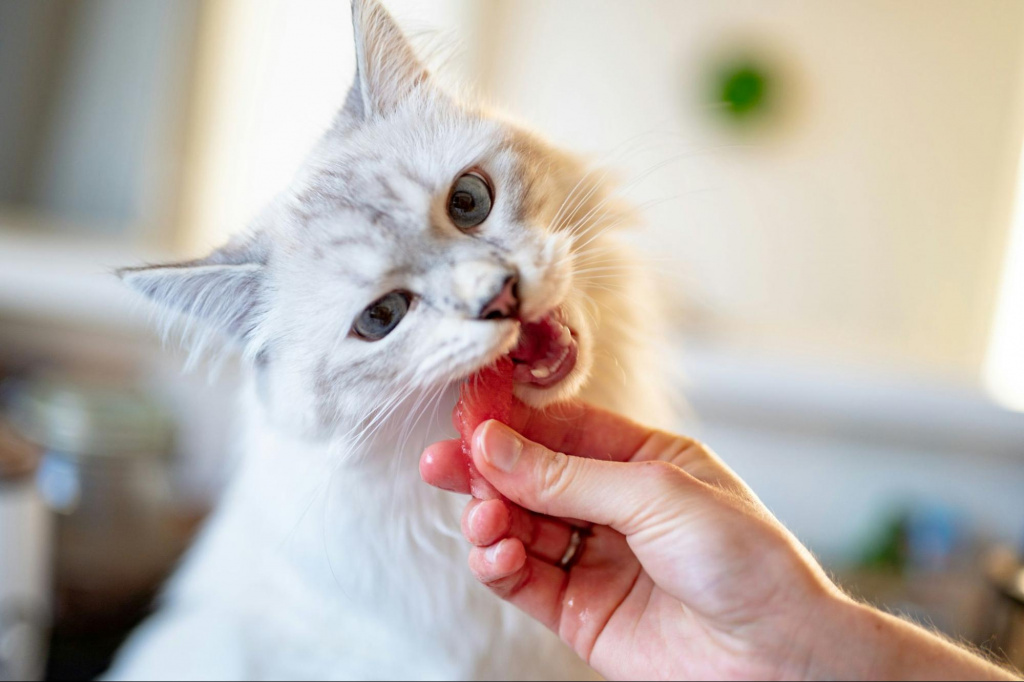
Even during cold months, it is important to keep pets active. Short walks, interactive play, and toys help prevent boredom. For cats, climbing structures, teaser toys, and scratching posts are beneficial; for dogs, ball games, fetch toys, and puzzle games work well. Adequate indoor lighting also helps support pets’ natural circadian rhythms.
Conclusion
Winter pet care is not only about comfort but is essential for pets’ health, mood, and activity. Protection from cold, proper paw, coat, and skin care, maintaining activity, nutritional control, and disease prevention help pets safely and comfortably get through the cold months. Following these guidelines ensures pets remain healthy, active, and in good spirits even on the coldest days.
Sources
- Purina — How to Care for Cats in Winter
https://www.purina.ru/articles/cats/health/kak-uhazhivat-za-koshkami-zimoj - Royal Canin — Winter Dog Care
https://www.royalcanin.ru/articles/dog/health/zimnij-uhod-za-sobakoi - Hill’s Pet — Winter Dog Care
https://www.hillspet.ru/dog-care/health-and-wellness/winter-dog-care - VetBook — Winter Cat Care
https://www.vetbook.com/cat-health/winter-cat-care - Purina — How Much Do Cats Sleep in Winter
https://www.purina.ru/articles/cats/behavior/skolko-spyat-koshki