

Fighting dog breeds have always sparked both fascination and fear. Their strength and energy are often praised, yet they are sometimes labeled as dangerous or aggressive. In reality, much of this is based on myths. With proper training, socialization, and care, these dogs become safe, loyal, and highly intelligent companions.
In this article, we will explore the origins of fighting breeds, their real character traits, common myths, training methods, care specifics, and provide official recommendations and research sources.
1. The History of Fighting Dog Breeds
Fighting dogs were originally bred for protection, hunting, and participating in sports.
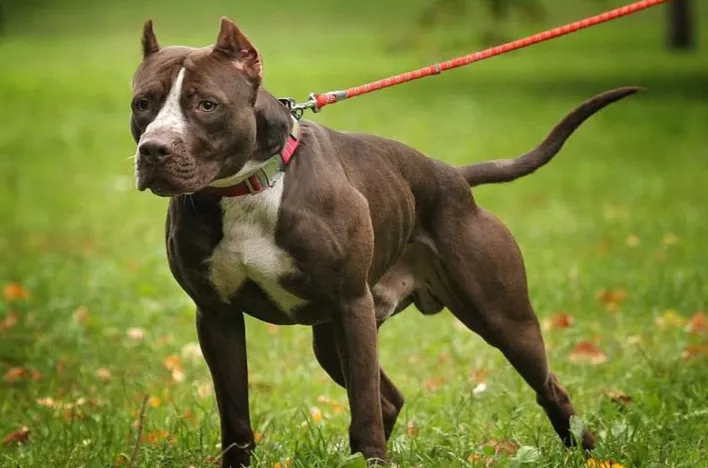
- American Pit Bull Terrier — initially used in dog fighting, but modern representatives are family companions and athletes in various sports.
- American Staffordshire Terrier — originated in England, used for guarding and farm work.
- Bull Terrier — an English breed known for its unique head shape and high energy level.
- Cane Corso and other Molosser breeds — from Italy and the Balkans, used for guarding, herding, and family protection.
All these dogs have high endurance, strength, and activity levels, making them popular among enthusiasts of sport and active lifestyles.
2. Myths About Fighting Breeds
Myth 1: All fighting dogs are aggressive
Aggression depends not on the breed, but on upbringing, socialization, and living conditions. Any dog can show aggression without proper attention, but a well-trained fighting breed is friendly and extremely loyal.
Myth 2: These dogs are not suitable for families
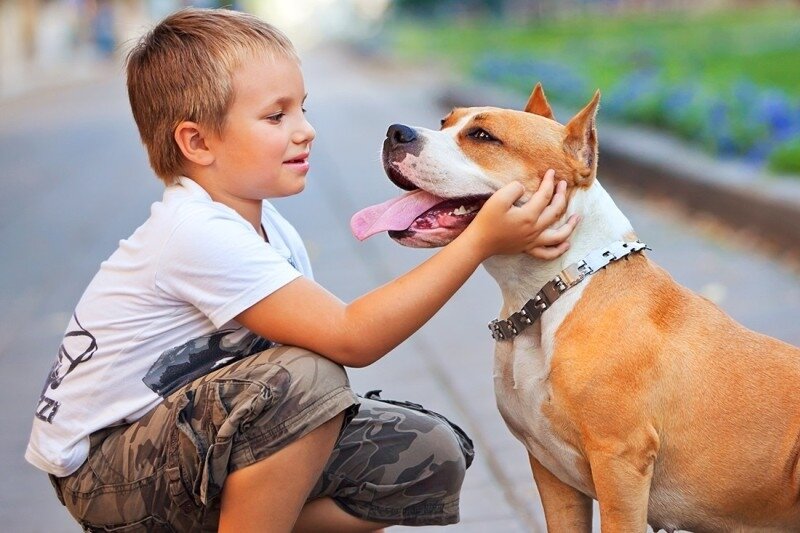
Modern fighting breeds get along well with children when raised properly. Many owners report their Pit Bulls and Staffies as gentle, loving, and patient family companions.
Myth 3: Fighting dogs cannot live with other animals
Early socialization and controlled interactions help avoid conflicts. Many owners successfully keep these breeds together with cats and other dogs.
3. Real Character Traits
- High energy and activity — require daily exercise and interactive games
- Loyalty — strongly attached to their family and protective of it
- Intelligence — learn commands quickly and enjoy mental challenges
- Courage — confident in new situations when properly socialized
- Love for children — display care and patience with proper upbringing
4. Training and Socialization
For fighting breeds, the following are especially important:
Early Socialization
- Interaction with people, animals, and various environments from puppyhood
- Attending puppy and adult obedience classes
Positive Reinforcement
- Use treats, praise, and rewards
- No yelling or physical punishment — this creates fear and distrust
Physical Activity
- Daily walks, running, games, agility training
- Mental stimulation through puzzles and obedience drills
Behavior Control
- Supervising interactions with unfamiliar people
- Teaching essential commands: “come,” “place,” “stop”
5. Care in Apartments and Houses
- Space: These dogs need at least access to parks or a small yard
- Nutrition: Balanced, high-quality diet based on activity level
- Care: Regular checkups of teeth, nails, and coat
- Veterinary supervision: Vaccination, parasite treatment, routine exams
With proper care and attention, fighting dog breeds become reliable family members and loyal friends.
6. Legal Aspects
In some countries and cities, restrictions on fighting breeds exist. For example:
- Mandatory liability insurance
- Registration with local authorities
- Muzzle requirements in public spaces
- Special owner training courses
It’s important to study local laws in advance to avoid fines and misunderstandings.
7. Psychological and Social Value
Fighting dog breeds help owners:
- Cope with stress and anxiety
- Stay physically active through walks and play
- Develop responsibility and caregiving skills
- Increase confidence and sense of security
Many studies show that owners of fighting breeds often display higher empathy and discipline.
8. Conclusion
Fighting dog breeds are not symbols of danger but dogs with strong character, energy, and loyalty. Myths about their aggression are frequently exaggerated. With proper socialization, training, and care, they become ideal companions, family protectors, and sources of joy.
The main rule: understand the breed, respect your dog, and provide a safe and loving environment where it can thrive.
Official Sources
American Kennel Club — Pit Bull Facts and History
https://www.akc.org/dog-breeds/american-pit-bull-terrier/
The Kennel Club UK — Fighting Dog Breeds and Care
https://www.thekennelclub.org.uk/
ASPCA — Dog Bite Prevention and Breed Facts
https://www.aspca.org/pet-care/dog-care/dog-bite-prevention
National Geographic — Understanding Fighting Breeds
https://www.nationalgeographic.com/animals/article/fighting-dog-breeds
Frontiers in Veterinary Science — Behavioral Studies of Pit Bulls and Other Fighting Breeds
https://www.frontiersin.org/articles/10.3389/fvets.2020.00085/full