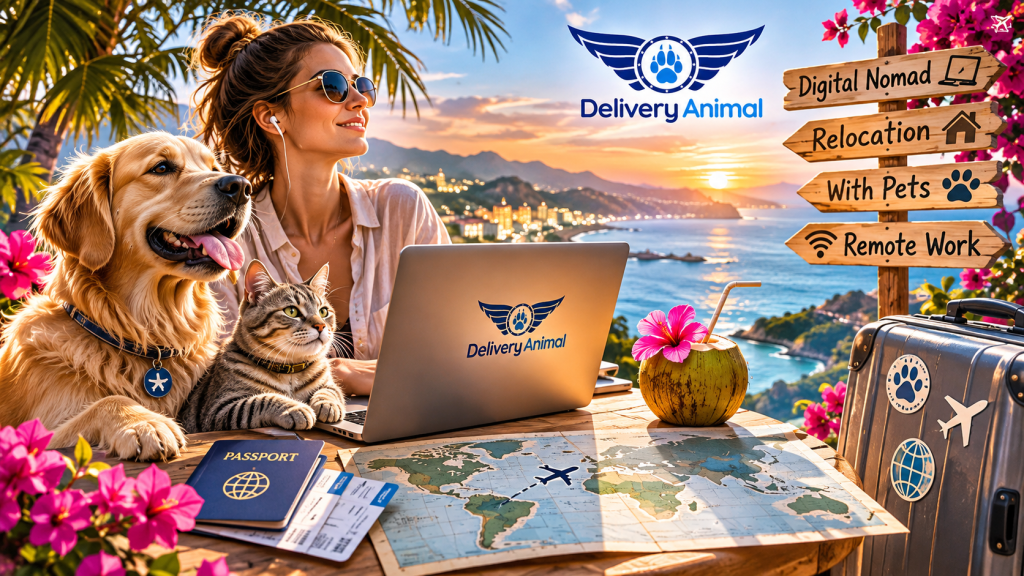

Digital nomad relocation with pets is becoming an appealing option for people who want the freedom to work from anywhere while keeping their dogs and cats close. Remote work allows professionals to choose where they live based on climate, lifestyle, internet access, and personal priorities rather than office location.
However, moving abroad with a pet involves more than booking a flight and finding an apartment. Digital nomads must consider immigration rules, permission to work remotely, pet import regulations, airline restrictions, suitable accommodation, and the ongoing costs of living in another country.
This guide explains how to plan digital nomad relocation with pets, choose a destination, prepare veterinary documents, find pet-friendly housing, and build a sustainable lifestyle abroad.
Digital Nomad Relocation with Pets: Where to Start
The best way to organize an international move is to plan three areas together: legal residence, remote work, and pet transportation.
Before booking flights, determine how long you intend to stay, which immigration category may apply, and what documentation your pet needs to enter the destination country. You should also confirm whether your employment or business activities are permitted under the immigration status you plan to use.
Start with this checklist:
- Choose a destination and estimate the length of your stay.
- Check visa and residence permit requirements.
- Review any rules governing remote work for foreign employers or clients.
- Calculate your initial moving costs and monthly budget.
- Research the destination country’s pet import requirements.
- Check airline policies and transit-country rules.
- Find accommodation that explicitly permits pets.
- Prepare a financial reserve for unexpected expenses.
Digital nomad relocation with pets is easier to manage when these tasks progress simultaneously. For example, veterinary documentation may need to be prepared within specific time limits, while suitable long-term accommodation may require advance booking.
How to Choose a Country for Remote Work with Pets
A destination that is popular with digital nomads is not necessarily the easiest place to live with a dog or cat. Some people prioritize warm weather and coastal living, while others need reliable public transport, international schools, affordable housing, or convenient access to major airports.
Evaluate the following factors before deciding.
Immigration options. Check whether the country offers a digital nomad visa or another suitable residence category. Review income thresholds, insurance requirements, permitted activities, and rules for family members.
Pet import requirements. Depending on the destination and country of departure, your pet may need a microchip, rabies vaccination, blood tests, veterinary certificates, or an import permit. The required procedures and their order can differ significantly between countries.
Cost of living. Include rent, utilities, groceries, transport, veterinary care, pet fees, insurance, and international travel costs.
Internet and workspace. Research home internet availability, coworking spaces, mobile data coverage, and backup connectivity. Reliable internet is especially important for video calls and time-sensitive projects.
Climate and animal welfare. High temperatures, humidity, cold weather, and seasonal conditions may affect your pet’s comfort and the feasibility of certain flights.
Digital nomad relocation with pets should be based on the needs of both the remote worker and the animal. A destination that looks perfect on social media may be less practical once housing, veterinary access, and travel restrictions are considered.
Digital Nomad Visas and Legal Residence
Some countries offer special visa or residence programs for remote workers. Other destinations may require applicants to use a different immigration category. Eligibility depends on citizenship, income, employment arrangements, and the intended duration of stay.
Do not assume that tourist entry automatically permits every form of remote work. Before moving, verify the conditions of your intended immigration status with the relevant official authority or consulate.
Questions to investigate include:
- Is there a minimum monthly income requirement?
- Can you work for a foreign employer or serve overseas clients?
- Is health insurance mandatory?
- Can the residence permit be renewed?
- Can a spouse or dependent children join the applicant?
- Could your stay create tax obligations in the destination country?
Digital nomad relocation with pets also requires realistic timing. Delays in visa processing can affect accommodation reservations, flight bookings, and veterinary schedules.
Remember that immigration status and tax residency are separate issues. Spending an extended period abroad may create tax reporting or payment obligations depending on the countries involved and your personal circumstances. Consider obtaining qualified tax advice before establishing a long-term base overseas.
International Pet Transportation for Digital Nomads
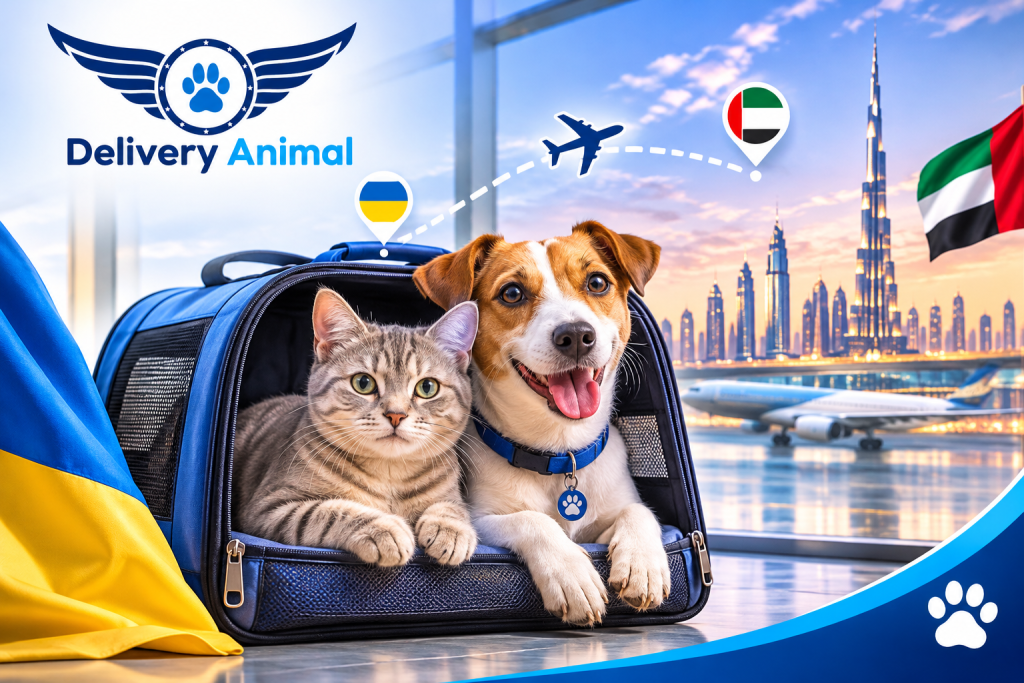
For many owners, transporting a pet is the most complicated part of moving abroad. Incomplete documents, an unsuitable carrier, or an unapproved flight route can cause delays and additional expenses.
Digital nomad relocation with pets requires checking the destination country’s import rules as well as the requirements of every airline involved in the journey.
Depending on the route, preparation may involve:
- An approved microchip.
- Valid rabies vaccination.
- A veterinary health certificate.
- Laboratory tests where required.
- An import permit or advance notification.
- Additional documentation for transit countries.
This is a general checklist, not a universal set of requirements. Always verify the exact rules for your pet’s country of departure and destination before arranging travel.
The International Air Transport Association (IATA) provides general guidance for travelers flying with pets. However, the destination country’s regulations and the operating airline’s policies must also be checked.
Pet in Cabin or Cargo: Which Option Is Suitable?
Some small pets may be accepted in the aircraft cabin if they meet the airline’s size, weight, carrier, and booking requirements. Other animals may need to travel under different arrangements, depending on the carrier, route, and animal’s characteristics.
Before purchasing tickets, confirm:
- Whether the airline accepts your particular animal.
- The maximum permitted carrier dimensions and weight.
- Whether cabin travel or another transport option is available.
- Whether the pet’s place must be reserved in advance.
- Whether breed, temperature, or aircraft restrictions apply.
- What happens if a connecting flight is delayed or changed.
Do not assume that a pet can automatically travel on any flight. Obtain confirmation from the airline before finalizing the itinerary.
For digital nomads, choosing a suitable route is especially important because the journey must fit around work commitments while minimizing unnecessary stress for the animal.
How to Prepare Your Pet for an International Move
Pet preparation should begin well before departure. The timeline depends on the destination: some routes involve relatively straightforward paperwork, while others require multiple veterinary procedures over an extended period.
Arrange a veterinary appointment to review your pet’s health, vaccination history, and destination-specific requirements. Ask which documents are needed, when they should be issued, and whether additional tests are necessary.
Introduce your pet to the travel carrier gradually. Leave it open at home, place familiar bedding inside, and allow the animal to explore it voluntarily. Gradual preparation can help make the carrier a more familiar environment.
Older pets, animals with chronic health conditions, and brachycephalic breeds such as pugs and French bulldogs may require an individual assessment of their fitness to fly.
Do not administer sedatives without veterinary advice. Any decision about medication must take the animal’s health and travel conditions into account.
Digital nomad relocation with pets involves more than paperwork. Preparing an animal physically and emotionally can make the journey more manageable and help the pet settle into its new home.
Finding Pet-Friendly Accommodation Abroad
Once you have selected a destination, find accommodation that supports both your work routine and your pet’s needs. A short-term holiday rental may not be suitable for someone planning to stay for several months.
Look for properties that offer:
- Explicit permission to keep dogs or cats.
- Clear information about pet deposits and additional fees.
- Reliable internet and a practical workspace.
- A quiet environment for calls and meetings.
- Parks or safe walking routes nearby.
- Access to veterinary clinics and pet supply stores.
- Transparent rental terms and cancellation policies.
Time zones also matter. A beautiful apartment in a busy tourist district may be unsuitable if the internet is unreliable or noise regularly interrupts your working hours.
Dog owners should consider walking facilities and access to green spaces. Cat owners should check window safety, available indoor space, and whether the property offers a calm environment.
Digital nomad relocation with pets may be easier if you book suitable temporary accommodation first, then explore neighborhoods before committing to a long-term lease.
How Much Does Digital Nomad Relocation with Pets Cost?
The total cost depends on the destination, route, animal’s size, veterinary requirements, and length of stay. Rather than relying on a single estimate, prepare an itemized budget for your circumstances.
Include the following expenses:
- Visa and residence application fees.
- Document translations, apostilles, or legalization where required.
- Veterinary examinations, vaccinations, and laboratory tests.
- A suitable carrier and pet transportation fees.
- Flights and baggage.
- Rent, utilities, and the housing deposit.
- Health insurance and everyday living expenses.
- Internet, coworking, and mobile connectivity.
- Veterinary care in the destination country.
- An emergency fund.
If you plan to move between several countries each year, account for future travel as well as the initial relocation. Every new destination may involve different import rules, document validity periods, and airline arrangements.
Digital nomad relocation with pets can become more expensive than expected when owners overlook repeat travel costs or assume that documents issued for one destination will automatically be accepted elsewhere.
Balancing Remote Work and Life with a Pet
Arriving in a new country is only the beginning. You will need to establish a routine that supports your work schedule and your animal’s well-being.
During the first few days, locate nearby shops, veterinary clinics, and suitable walking areas. Test your internet connection and arrange a backup option if your work depends on reliable connectivity.
For dogs, regular walking times can provide structure in an unfamiliar environment. Cats may benefit from a quiet room with familiar bedding, toys, food bowls, and a litter tray.
If you have frequent online meetings, consider how your pet will spend that time. Familiar activities, enrichment toys, and gradual training can help you establish a comfortable routine.
Digital nomad relocation with pets does not end when you cross the border. A successful move depends on creating a stable daily life and responding to your pet’s needs as the new environment becomes familiar.
Common Mistakes to Avoid
Even a carefully planned relocation can become stressful if important details are overlooked.
Booking flights before checking requirements. Veterinary procedures may take longer than expected, and an airline may not accept a pet on every flight.
Choosing a destination based only on visa availability. Consider housing costs, veterinary services, climate, and future travel options.
Ignoring transit-country rules. A connection may involve additional requirements, even if you do not intend to leave the airport.
Underestimating the budget. Changes to travel plans, document delays, or emergency accommodation can create unexpected expenses.
Moving between countries too frequently. Each move can require fresh research, new documents, and another potentially stressful journey for the pet.
Overlooking tax and employment rules. Before a long stay, establish which legal and tax obligations may apply to your remote work.
Digital Nomad Relocation with Pets: Step-by-Step Checklist
Use this checklist to keep your move organized:
- Choose a destination and estimate the length of your stay.
- Review immigration, remote-work, and tax considerations.
- Check the official pet import requirements.
- Confirm the route with the airline.
- Arrange a veterinary appointment and prepare the required documents.
- Find accommodation that accepts your pet.
- Test internet availability and workspace options.
- Build a budget with an emergency reserve.
- Help your pet become comfortable with the carrier.
- Recheck all documents, dates, and bookings before departure.
Frequently Asked Questions
Can I work remotely from another country with a dog or cat?
That depends on the destination’s immigration rules, your legal status, and the nature of your work. You must also meet the country’s requirements for bringing your pet into its territory.
Which country is best for digital nomads with pets?
There is no single best destination for everyone. Compare visa options, living costs, internet access, veterinary services, climate, and pet import requirements before deciding.
Can I travel between countries several times a year with my pet?
Potentially, yes, provided each journey meets the applicable rules. Before every trip, recheck document validity, vaccination requirements, transit conditions, and airline restrictions.
How early should I prepare my pet for a flight?
Start as early as possible. Some veterinary procedures require advance planning, and your pet may need time to become comfortable with its carrier.
Should I use an international pet relocation company?
Some straightforward journeys can be organized independently if the owner understands all applicable requirements. For complex routes, multiple connections, or special transport arrangements, professional coordination may simplify the process.
Conclusion
Digital nomad relocation with pets offers the freedom to build a career and lifestyle abroad without leaving a beloved animal behind. However, a successful move requires careful planning of legal residence, remote-work arrangements, housing, veterinary documentation, transportation, and finances.
The more complex the route or the more frequently you plan to change countries, the more important it becomes to verify requirements before booking. Preparation can reduce avoidable expenses, minimize travel stress, and help you establish a stable routine more quickly.
If you need assistance with international pet transportation, explore the services offered by Delivery Animal. Always confirm current immigration and veterinary requirements with the relevant official authorities and check the policies of your chosen airline.
Official Sources
- IATA — Traveling with Pets
- IATA — Traveler’s Pet Corner
- IATA — Live Animals Regulations
- Delivery Animal — International Pet Transportation