
Brachycephalic Pet Transport to Cyprus: What Owners Need to Know
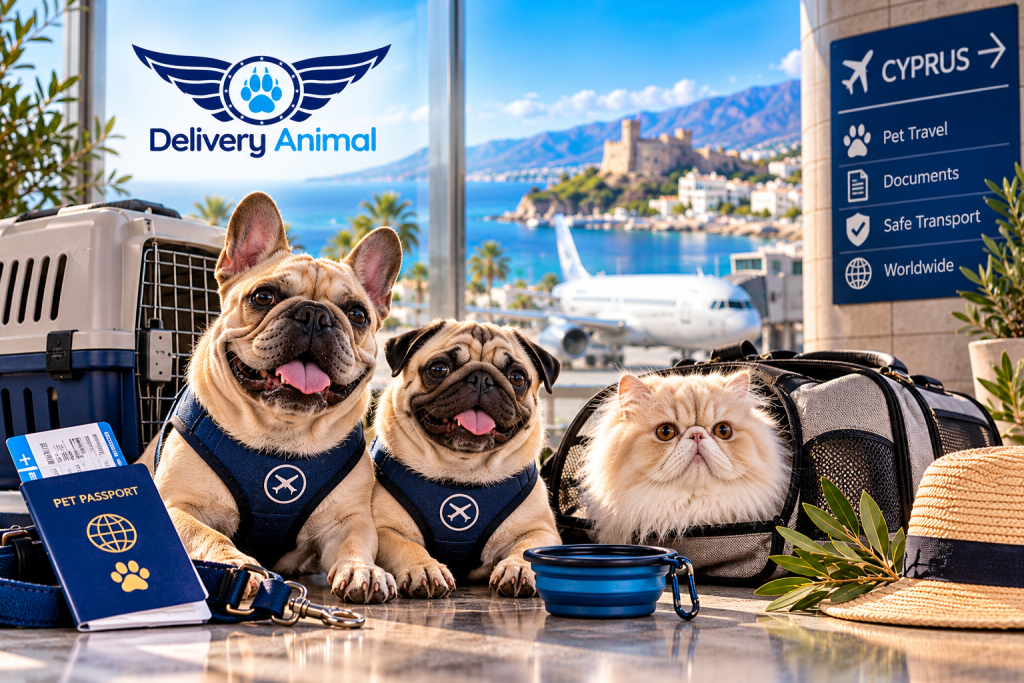
Brachycephalic pet transport to Cyprus requires careful preparation because short-nosed dogs and cats may face additional challenges during air travel. Brachycephalic animals have shortened facial structures, and some have narrowed airways that can make breathing and temperature regulation more difficult.
Common brachycephalic dog breeds include French Bulldogs, English Bulldogs, Pugs, Pekingese, Boston Terriers, and some Boxers. Brachycephalic cat breeds may include Persian, Himalayan, and Exotic Shorthair cats.
Airlines may restrict these animals from traveling in the aircraft hold or as air cargo because of potential respiratory and heat-related risks. The restrictions differ between airlines, routes, and individual breeds.
Brachycephalic pet transport to Cyprus should begin with three checks: the animal’s health, the destination’s import requirements, and the airline’s current acceptance policy. Do not purchase a ticket until the airline has confirmed that your pet can travel on the intended route.
Delivery Animal helps pet owners coordinate international pet transportation, review route requirements, and plan suitable arrangements according to the animal’s breed, size, and travel circumstances.
Which Brachycephalic Pets Can Travel to Cyprus?
Brachycephalic pet transport to Cyprus may be necessary when a family relocates, moves to the island for an extended stay, purchases property, or travels with a companion animal.
Common brachycephalic dog breeds include:
- French Bulldogs.
- English Bulldogs.
- Pugs.
- Pekingese.
- Boston Terriers.
- Shih Tzus.
- Boxers.
- Other short-nosed breeds and certain crossbreeds.
Brachycephalic cats include Persian, Himalayan, and Exotic Shorthair cats. Some airlines classify additional breeds or crossbreeds as snub-nosed animals under their own transportation policies.
There is no single breed list that applies to every airline. Brachycephalic pet transport to Cyprus must be checked against the policy of the actual operating airline and the specific flight.
Can a French Bulldog Fly to Cyprus?
French Bulldog transport to Cyprus may be possible on some routes, but the available transportation method depends on the airline’s current policy and the dog’s size.
Some airlines prohibit brachycephalic pets from traveling in the aircraft hold while allowing them in the cabin if the animal and carrier meet the applicable weight and dimension limits.
For example, Cyprus Airways states that snub-nosed dogs and cats are not accepted in the aircraft hold and may travel in the cabin only if they meet the airline’s pet-in-cabin requirements. Its published policy includes specific carrier and weight limits, which should be reconfirmed before booking because airline policies can change.
Before arranging French Bulldog transport to Cyprus, confirm:
- Whether the airline accepts your dog’s breed.
- Whether cabin travel is permitted.
- Whether your dog meets the applicable weight limit.
- Whether the carrier fits beneath the passenger seat.
- Whether every flight segment accepts the pet.
- Whether any connecting airport introduces additional restrictions.
If a dog does not meet the cabin requirements, do not assume that checked baggage or cargo is automatically an acceptable alternative. Review other routes or transportation options with the airline and a veterinary professional.
Why Does Brachycephalic Pet Air Travel Require Extra Care?
The shortened facial structure of brachycephalic dogs and cats can be associated with upper-airway problems. Heat, exertion, and stress may worsen breathing difficulties in susceptible animals.
For this reason, brachycephalic pet transport to Cyprus should take the pet’s health into account, not just its travel documents.
Before departure, discuss the following with your veterinarian:
- Noisy or labored breathing.
- Tolerance of heat and physical activity.
- Existing respiratory or other chronic conditions.
- Age and overall health.
- Previous reactions to travel.
- Fitness for the proposed transportation method.
Airline acceptance does not automatically mean that every individual animal is medically fit to fly. The decision should be based on the pet’s health and the circumstances of the planned journey.
Do not independently administer sedatives before a flight. Any medication should be discussed with a veterinarian who understands the animal’s health and the risks associated with air travel.
Documents Required for Brachycephalic Pet Transport to Cyprus
Brachycephalic pet transport to Cyprus must comply with the destination’s general animal import requirements. A pet’s breed may affect airline acceptance, but it does not remove the need to meet veterinary entry rules.
Depending on the country of departure and the circumstances of the journey, documents may include:
- A compliant microchip identification record.
- Proof of valid rabies vaccination.
- An EU pet passport for eligible movements within the European Union.
- An official veterinary health certificate for relevant arrivals from outside the EU.
- Rabies antibody test results, where required.
- Additional permits or supporting documents for specific routes.
Cyprus Veterinary Services publishes requirements for animal identification, rabies vaccination, and entry through designated points of entry. Additional rules may apply to animals arriving from non-EU countries. Owners should verify the current requirements for their country of departure and type of movement.
For relevant arrivals from outside the EU, the published Cyprus requirements include advance notification to the appropriate district veterinary office at the point of entry, at least 48 hours before arrival. Confirm whether this applies to your individual journey.
Important: Requirements can vary according to the departure country, route, and whether the pet accompanies its owner or is transported as a commercial shipment. Verify the documents before booking.
How to Choose a Route for Brachycephalic Pet Transport to Cyprus
Route planning is particularly important for short-nosed animals. Long connections, airport waiting times, hot weather, and repeated handling can increase the physical demands of a journey.
When planning brachycephalic pet transport to Cyprus, consider:
- Number of connections. Where possible, choose a route with fewer transfers.
- Operating airline policies. Obtain confirmation from every airline operating a segment of a connecting itinerary.
- Cabin eligibility. For some brachycephalic pets, cabin travel may be the only permitted option on a particular airline.
- Total journey duration. Include the trip to the airport, check-in, waiting time, and transfers.
- Temperature and season. Heat can increase the risk of overheating for animals with respiratory difficulties.
- Veterinary assessment. Make sure the proposed route is appropriate for the individual pet.
Brachycephalic pet transport to Cyprus should not be based on ticket price alone. Airline acceptance, permitted transport methods, and animal welfare are more important than finding the lowest fare.
Choosing a Carrier for a Brachycephalic Dog or Cat
The carrier must comply with the airline’s requirements and allow the animal to maintain a natural position. Cabin transportation has specific size limits, while other approved transportation methods may require containers that meet applicable IATA standards and the carrier’s policies.
Before traveling:
- Check the carrier’s dimensions and construction.
- Ensure adequate ventilation.
- Test the locks and fastenings.
- Introduce the carrier gradually before departure.
- Prepare an absorbent lining.
- Confirm the airline’s rules for food and water.
- Make sure the animal can remain comfortably inside the carrier.
For brachycephalic pets, avoiding overheating and unnecessary stress is especially important. Do not use an undersized carrier or assume that an animal will be comfortable simply because it can lie down inside it.
How Much Does Brachycephalic Pet Transport to Cyprus Cost?
The cost of brachycephalic pet transport to Cyprus depends on the departure city, airline, route, pet’s weight with the carrier, and the transportation methods available.
Potential costs include:
- Airline pet transportation fees.
- An approved carrier.
- Veterinary examinations and documentation.
- Laboratory testing, if required.
- Ground transportation.
- Route coordination services.
- Additional charges or requirements imposed by transit countries.
Some brachycephalic breeds have fewer available flight options. The permitted transportation method should therefore be confirmed before estimating the total cost.
To request an estimate from Delivery Animal, prepare the pet’s breed, age, and weight, the departure country, the destination city in Cyprus, and the intended travel date.
Why Choose Delivery Animal?
Brachycephalic pet transport to Cyprus requires an individual approach. The cheapest route may not be suitable, and the rules for an ordinary dog cannot automatically be applied to a French Bulldog or Pug.
Delivery Animal helps owners coordinate international pet transportation and review the practical requirements of their journey.
When planning transportation, we consider:
- The pet’s breed and dimensions.
- Airline restrictions for brachycephalic animals.
- Availability of cabin travel or other permitted transportation methods.
- Veterinary documentation.
- Cyprus import requirements.
- Connecting flights and transit restrictions.
- The individual circumstances of the journey.
We recommend starting early and confirming the arrangements directly with the airline and relevant veterinary authorities.
Frequently Asked Questions About Brachycephalic Pet Transport to Cyprus
Can I transport a French Bulldog to Cyprus by air?
It depends on the airline, route, dog’s weight, and health. Some airlines allow brachycephalic dogs only in the cabin and subject to weight and carrier restrictions. Confirm acceptance before booking.
Can a Pug travel to Cyprus in the aircraft hold?
Some airlines do not accept brachycephalic breeds in the hold. Check the actual carrier’s policy and do not assume that cargo or checked baggage is permitted without confirmation.
What documents are required for brachycephalic pet transport to Cyprus?
The applicable identification and vaccination rules must be met. Depending on the departure country, the pet may also need a passport, official veterinary health certificate, rabies antibody test, or additional documents.
Can a brachycephalic cat travel to Cyprus?
Yes, if the relevant import rules and airline requirements are met. Some airlines apply restrictions to short-nosed cats, including Persian and Exotic Shorthair cats, as well as to certain dog breeds.
When should I start preparing for the journey?
Start as early as possible. First confirm that the airline accepts your pet, then check veterinary entry requirements, prepare the documents, and select a suitable carrier.
Can Delivery Animal help arrange the journey?
Delivery Animal can help review the route, identify practical requirements, and coordinate international pet transportation according to the animal’s breed and travel circumstances. The final plan depends on the route, airline rules, and the pet’s health.
Arrange Brachycephalic Pet Transport to Cyprus with Delivery Animal
Brachycephalic pet transport to Cyprus requires careful attention to animal welfare, airline policies, and veterinary documentation.
If you need French Bulldog transport to Cyprus, Pug transportation, or international transport for a brachycephalic cat, contact Delivery Animal to discuss your options. Provide the pet’s breed, weight, departure country, and preferred travel date so that the available routes and requirements can be reviewed.
Official Sources
- Cyprus Veterinary Services — Non-Commercial Movement of Pet Animals
- Government of Cyprus — Transport of Animals
- Cyprus Airways — Travelling with Pets and Brachycephalic Breeds
- IATA — Live Animal Transport Standards