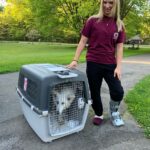

How to transport an animal that requires CITES is one of the most important questions for owners of exotic animals, rare birds, and pets planning international relocation. Unlike standard transportation of dogs and cats, moving animals regulated by CITES requires additional preparation, special permits, and compliance with international wildlife protection regulations.
In 2026, transporting animals with CITES requires careful planning: checking destination country requirements, preparing official permits, and confirming the legal origin of the animal. Incorrect documents, missing certificates, or mistakes during preparation may result in transportation delays, additional inspections at the airport, or refusal of entry.
Many owners research how to transport an animal that requires CITES in advance to properly prepare documents, choose a safe route, and meet all international requirements before the travel date.
It is especially important to check requirements in advance when transporting:
- parrots;
- falcons and other birds of prey;
- reptiles;
- turtles;
- rare and exotic animals.
Delivery Animal helps organize international transportation of animals requiring CITES: preparing necessary documents, checking destination country requirements, and selecting a safe travel route for pets worldwide.
How to Transport an Animal That Requires CITES: Basic Rules
CITES (Convention on International Trade in Endangered Species of Wild Fauna and Flora) is an international agreement regulating the movement of protected animal and plant species between countries.
The main goals of CITES include:
- protecting endangered species;
- controlling international movement;
- preventing illegal wildlife trade;
- confirming legal animal origin.
Before planning transportation, owners should check the animal species through the official Species+ Database —, where they can find information about species regulated by CITES.
Updated international requirements are also available on the official CITES website .
How to Know If Your Animal Needs CITES
Before international transportation, it is important to determine:
- exact animal species;
- departure country;
- destination country;
- purpose of transportation;
- government import requirements.
Owners should remember that a CITES permit may be required even for a personal pet if the species is internationally protected.
Animals Most Commonly Transported With CITES
Parrots
Many parrot species require additional documentation for international travel.
CITES is often required for:
- macaws;
- African grey parrots;
- cockatoos;
- amazon parrots;
- eclectus parrots.
During transportation, authorities may check:
- bird origin;
- breeder documents;
- veterinary certificates;
- export and import permits.
For more information about bird relocation, read our guide “Parrot Transportation to the USA — Complete Guide 2026”
Falcons and Birds of Prey
Falcon transportation is one of the most strictly controlled categories of international animal relocation.
For these birds, it is especially important to:
- confirm legal origin;
- obtain CITES documentation;
- prepare veterinary certificates;
- choose the correct route.
Owners of birds of prey can also read “Falcon Transportation to Dubai — UAE Transportation Rules” .
Reptiles and Exotic Animals
CITES may be required for transporting:
- turtles;
- iguanas;
- chameleons;
- snakes;
- rare animal species.
Each case is reviewed individually because requirements depend on the species and destination country.
How to Transport an Animal That Requires CITES: Required Documents
International transportation usually requires:
- CITES permit;
- veterinary passport;
- international health certificate;
- proof of animal origin;
- microchip information (if required);
- import permit;
- airline documents.
How to Transport an Animal That Requires CITES: Transportation Process
The organization process begins with checking documents and destination requirements.
Main steps include:
Checking Requirements
Owners need to verify:
- whether the animal can be imported;
- what documents are required;
- whether quarantine applies;
- processing timelines.
Preparing Documents
At this stage, owners prepare:
- CITES permits;
- veterinary certificates;
- proof of origin;
- airline documents.
Organizing the Flight
Animals requiring CITES may travel:
- in the aircraft cabin;
- through cargo;
- with individual assistance.
When organizing transportation, international standards IATA Live Animals Regulations — are considered to ensure safe animal transportation by air.
How to Transport an Animal That Requires CITES Without Delays
Understanding how to transport an animal that requires CITES helps owners avoid common problems during international relocation.
Preparation should begin before booking flights. Owners need to check import rules, prepare permits, verify veterinary requirements, and choose a suitable route.
Proper preparation reduces the risk of delays, additional inspections, and documentation issues during travel.
Common Mistakes When Transporting Animals With CITES
The most common mistakes include:
- starting document preparation too late;
- missing proof of animal origin;
- incorrect species information;
- mistakes in permits;
- incomplete documents;
- choosing an unsuitable route.
These problems may cause transportation delays or additional checks.
Why Owners Choose Delivery Animal
Transporting animals with CITES requires experience and knowledge of international regulations.
Delivery Animal supports owners at every stage:
- checking CITES requirements;
- preparing documents;
- consulting on country regulations;
- organizing safe routes;
- coordinating with airlines;
- supporting transportation until arrival.
The company provides worldwide transportation services for dogs, cats, birds, reptiles, and exotic animals.
Conclusion
Understanding how to transport an animal that requires CITES helps owners prepare properly for international relocation and avoid possible difficulties during the transportation process. Unlike standard pet travel, transporting animals regulated by CITES requires additional attention to documents, permits, and international wildlife protection rules.
The most important step is to check in advance whether a CITES permit is required, prepare all necessary documents, confirm the legal origin of the animal, and organize the safest transportation route.
Each country may have different import requirements for animals regulated by CITES. This is especially important when transporting parrots, falcons, reptiles, and other exotic animals.
Delivery Animal helps make international transportation of animals with CITES safe and stress-free — from checking requirements and preparing documents to organizing flights and supporting owners throughout the relocation process.
Professional assistance ensures that every stage is completed correctly and that the animal travels safely and comfortably to its new destination.