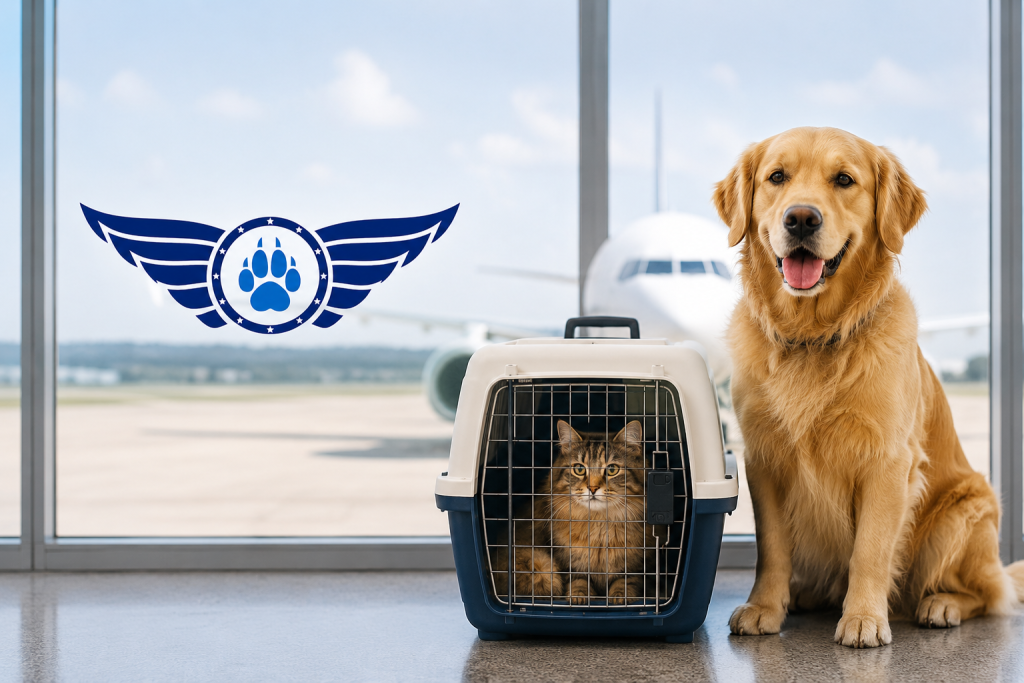

In 2026, the rules for importing pets to Europe from CIS countries became significantly stricter. Dog and cat owners are increasingly facing additional border inspections, denied entry, and pet quarantine because of document mistakes or failure to comply with veterinary requirements.
Today, the rules for importing pets to Europe from CIS countries are regulated by unified European Union standards. The main focus is on rabies control, correct microchipping, and proper veterinary documentation. Even a small mistake can lead to serious problems when crossing the EU border.
European veterinary authorities pay especially close attention to animals arriving from countries with a higher rabies risk.
Which CIS Countries Are Under Increased EU Control
In 2026, additional requirements most often apply to pets arriving from:
- Kazakhstan;
- Uzbekistan;
- Kyrgyzstan;
- Tajikistan;
- Azerbaijan;
- Armenia;
- several other CIS countries.
For these destinations, the rules for importing pets to Europe from CIS countries may require:
- mandatory rabies titers;
- additional veterinary inspections;
- strict preparation timelines;
- enhanced microchip control;
- mandatory EU certificates.
Before traveling, owners should check the current rabies-risk status of their country according to European Commission requirements.
Rules for Importing Pets to Europe From CIS Countries and Microchips
One of the main EU requirements remains the ISO-compliant microchip.
According to European Union regulations, the microchip must:
- be implanted BEFORE rabies vaccination;
- comply with ISO 11784/11785 standards;
- be readable by a scanner;
- match all information in the documents.
If the vaccine was administered before the chip was implanted, the vaccination may be considered invalid. Microchip mistakes remain one of the most common reasons for denied entry into Europe.
Rabies Vaccination for Entering Europe
The rules for importing pets to Europe from CIS countries require a valid rabies vaccination.
During inspection, authorities verify:
- vaccination date;
- vaccine validity period;
- pet age;
- microchip number;
- country where vaccination was performed.
According to EU regulations:
- the minimum vaccination age is 12 weeks;
- at least 21 days must pass after vaccination;
- the vaccine must be recognized by EU countries.
Because of this, the practical minimum entry age for puppies and kittens is 15 weeks.
Rabies Titers for Europe
For several CIS countries, the rabies antibody test (rabies titer test) remains mandatory.
The rabies titer test must:
- be performed in an accredited laboratory;
- show antibody levels of at least 0.5 IU/ml;
- contain the correct microchip number;
- be completed at least 30 days after vaccination.
After receiving the titer results, owners must wait at least 3 months before entering the EU. Violation of waiting periods is one of the most common reasons for border problems.
Required Documents for Importing Pets to Europe From CIS Countries
For international flights or travel to the EU, owners usually need:
- international veterinary passport;
- valid rabies vaccination;
- ISO-compliant microchip;
- rabies titer test;
- EU veterinary certificate;
- non-commercial import declaration;
- airline documents;
- pet booking confirmation.
Since 2026, the EU has also increased control over veterinary certificates and owner declarations.
Airline Rules for Pets in 2026
In addition to EU regulations, pet owners must also follow airline requirements.
In 2026, airlines pay especially close attention to:
- carrier dimensions;
- IATA standards;
- animal breed;
- pet age;
- temperatures in transit countries;
- restrictions for brachycephalic breeds.
Some airlines may refuse transportation even when owners have a complete document package.
Which European Countries Most Frequently Inspect Animals
The strictest inspections are usually carried out in:
- Germany;
- France;
- the Netherlands;
- Finland;
- Poland;
- Sweden.
Some countries additionally require parasite treatment for dogs before entry.
For example, Finland and Ireland may require proof of echinococcus treatment.
Common Mistakes Made by Pet Owners
The most common problems occur because of:
- incorrect order of microchipping and vaccination;
- document mistakes;
- missing rabies titers;
- expired vaccinations;
- mismatched microchip information;
- unsuitable pet carriers;
- violation of waiting periods after titers.
Even a small mistake may result in denied entry or animal quarantine.
How to Prepare a Pet for Travel to Europe
To avoid problems, owners are advised to:
- Start preparation at least 3–4 months before travel.
- Check the country’s rabies-risk status.
- Implant an ISO-compliant microchip.
- Complete rabies vaccination.
- Take rabies titers in advance.
- Verify airline requirements.
- Prepare an IATA-standard carrier.
- Check the rules of the specific EU country.
It is also important to train the pet to stay inside the carrier before travel and discuss the trip with a veterinarian.
Why It Is Important to Follow the Rules for Importing Pets to Europe From CIS Countries
In 2026, EU countries significantly strengthened veterinary border control. That is why the rules for importing pets to Europe from CIS countries require extremely careful preparation of documents and strict compliance with vaccination and testing timelines.
Proper preparation helps:
- avoid denied entry;
- reduce pet stress;
- avoid quarantine;
- prevent ticket losses;
- organize safe international travel.
The Delivery Animal team helps prepare documents, verify EU requirements, and organize turnkey international pet transportation to Europe.